The runway can be an unforgiving stage where even the slightest mistake becomes magnified under bright lights and watchful eyes. ✨

Whether you’re an aspiring model preparing for your first runway show or a seasoned professional looking to refine your craft, understanding common pitfalls can make the difference between a forgettable walk and a showstopping performance. The modeling industry demands precision, confidence, and an unwavering commitment to professionalism that extends far beyond simply looking good in designer clothing.
Runway modeling represents one of the most challenging and visible aspects of the fashion industry. Models must master the art of bringing garments to life while maintaining composure under immense pressure. Every step, every turn, and every facial expression contributes to the overall narrative that designers want to convey to their audience. Unfortunately, even experienced models can fall victim to common mistakes that undermine their performance and potentially damage their professional reputation.
The Foundation: Understanding Runway Fundamentals Before You Walk 👠
Before addressing specific mistakes, it’s essential to understand what makes a successful runway performance. The runway isn’t simply a long platform—it’s a storytelling medium where models serve as living mannequins that transform static designs into dynamic, aspirational visions. Designers, casting directors, and fashion editors all watch for models who can embody the collection’s essence while maintaining technical excellence.
Many beginners underestimate the physical demands of runway work. A typical fashion week show might last only ten minutes, but models often spend hours in fittings, rehearsals, and backstage preparation. The actual walk requires stamina, balance, and muscle control that can only be developed through consistent practice and body awareness. Without this foundation, even the most photogenic model will struggle to deliver a polished performance.
Posture Problems That Sabotage Your Walk
Poor posture remains one of the most prevalent issues affecting runway models at all experience levels. Slouching, rolled shoulders, or an overly stiff stance can completely undermine an otherwise flawless appearance. Your spine should remain elongated, with shoulders pulled back naturally—not forcefully tensed. Imagine a string pulling you upward from the crown of your head, creating length throughout your entire body.
Many models make the mistake of overcompensating for posture issues by creating an unnatural, robotic appearance. The goal is confident elegance, not military rigidity. Your body should move fluidly while maintaining structural integrity. Practice walking with a book balanced on your head to develop awareness of your center of gravity and head position without looking down or tensing unnecessarily.
Footwork Failures: When Your Steps Betray Your Confidence
The runway walk—that seemingly effortless glide down the catwalk—actually requires meticulous attention to footwork. One of the most common mistakes involves stepping too wide or too narrow, creating an awkward gait that draws attention for all the wrong reasons. Your feet should follow an invisible line down the center of the runway, with each foot crossing slightly in front of the other to create the signature model walk that emphasizes hip movement.
Another frequent error involves inconsistent stride length. Models who vary their step size appear uncertain and unprofessional. Your stride should remain consistent throughout the entire walk, adjusted appropriately for the clothing you’re wearing. Evening gowns require shorter, more controlled steps, while casual wear allows for slightly longer, more relaxed strides. Practice different stride lengths for various garment types to develop versatility.
The Heel-Strike Mistake That Screams Amateur
Many novice models make the critical error of landing heel-first with excessive force, creating audible thuds that disrupt the show’s atmosphere. Professional runway walking involves placing your foot down with the ball first or with a simultaneous heel-ball placement that creates a smooth, nearly silent step. This technique requires strong ankles and considerable practice, especially when wearing high heels.
The sound of your footsteps matters more than most beginners realize. Fashion shows are carefully orchestrated experiences where music, lighting, and movement work together to create an immersive atmosphere. Loud, clomping footsteps break this spell and suggest a lack of control. Practice walking on different surfaces to develop the muscle memory needed for silent, graceful steps regardless of the runway material or heel height.
Face Value: Avoiding Expression Extremes 😐
Facial expression represents another area where models frequently stumble. The most common mistake involves the completely blank, emotionless face often called “dead face” in the industry. While models shouldn’t smile broadly or appear overly animated, a completely vacant expression can make you appear disengaged or unprofessional. The ideal runway expression conveys confidence, slight intensity, and awareness without specific emotion.
Conversely, some models overcorrect by creating exaggerated expressions—pouting excessively, widening their eyes dramatically, or adopting overly severe looks that appear forced. Your face should remain relatively neutral but alive, with subtle engagement in your eyes that suggests consciousness and presence. Think “focused” rather than “fierce” or “frozen.”
Eye Contact and Focus Direction
Where you look during your runway walk significantly impacts your performance. Many beginners make the mistake of looking directly at audience members, making intense eye contact that can appear confrontational or uncomfortable. Instead, your gaze should extend just above the audience’s heads, creating the impression of looking through rather than at specific individuals.
Another common error involves looking down at your feet or at other models. Your eyes should remain forward throughout your walk, only briefly glancing down if absolutely necessary to navigate stairs or uneven surfaces. Looking at other models suggests uncertainty about your positioning, while watching your feet broadcasts insecurity about your walking ability. Practice your walk until you can navigate the runway length without visual reference to your surroundings.
Timing and Pacing: The Rhythm of the Runway ⏱️
Runway timing represents a subtle but crucial element that separates exceptional models from adequate ones. Walking too quickly suggests nervousness or eagerness to finish, while moving too slowly can disrupt the show’s flow and frustrate designers and producers. The ideal pace varies depending on the collection type, music tempo, and specific direction from the show’s choreographer.
Many models make the mistake of failing to adapt their pace to the music or the overall show rhythm. Your walk should complement the soundtrack without appearing overly choreographed or obviously synchronized. Listen carefully during rehearsals and adjust your natural pace to match the show’s energy level. High-fashion shows typically favor slower, more deliberate walks, while contemporary or streetwear presentations might call for brisker movement.
The Turn and Pause That Makes or Breaks Your Walk
The pivot at the runway’s end represents one of the most technically challenging moments in any walk. Common mistakes include turning too quickly (appearing rushed), too slowly (disrupting flow), or executing sloppy footwork during the turn itself. The professional turn involves a controlled pivot on the ball of your foot, typically taking 2-3 seconds to complete the 180-degree rotation.
Some models also err by pausing too long at the end of the runway or failing to pause at all. A brief moment at the runway’s apex allows photographers to capture the garment from the front and gives the audience time to appreciate the overall look. However, extended pauses can seem self-indulgent or uncertain. Practice timing your pause to last approximately 1-2 seconds—long enough to register but brief enough to maintain momentum.
Wardrobe Malfunctions and How to Handle Them Professionally
Even with meticulous preparation, wardrobe issues can occur during runway shows. The critical mistake many models make involves visibly panicking or attempting to fix problems while on the runway. Professional models understand that the show must continue regardless of minor wardrobe malfunctions. If a strap falls, a heel breaks, or an accessory comes loose, your best response involves continuing your walk as if nothing happened.
That said, prevention remains superior to crisis management. Before walking, ensure all zippers are secure, buttons properly fastened, and accessories firmly attached. During fittings, alert the styling team to any potential issues with garment fit or construction. While you can’t prevent all malfunctions, thorough preparation minimizes their likelihood and demonstrates your professionalism to the production team.
Shoe Selection and Fit Issues
Ill-fitting shoes cause numerous runway problems, from awkward walks to actual falls. Many models make the mistake of accepting shoes that don’t fit properly, either too tight or too loose, believing they can manage for the brief runway duration. However, uncomfortable or unstable footwear inevitably affects your walk quality, posture, and confidence.
Always communicate shoe fit issues during fittings, allowing time for adjustments or replacements. If you must wear slightly too-large shoes, use padding or foot petals to improve fit. For shoes that are marginally too small, understand your limitations and adjust your stride accordingly. Remember that your job involves showcasing the clothing, not enduring unnecessary discomfort that compromises your performance quality.
Energy Management and Performance Consistency 💪
Fashion week involves multiple shows, sometimes several in a single day. A common mistake involves failing to manage energy levels across consecutive performances. Models who give their all in the first show may find themselves exhausted and unable to maintain quality in subsequent walks. Developing stamina and learning to deliver consistent performances regardless of fatigue separates reliable professionals from one-hit wonders.
Proper nutrition, hydration, and rest become essential during busy fashion week periods. Many models make the mistake of skipping meals, surviving on coffee and energy drinks, or failing to get adequate sleep between shows. These choices inevitably affect your physical performance, mental clarity, and appearance. Treat your body as the professional instrument it is, providing it with the fuel and recovery time needed for peak performance.
Backstage Behavior That Impacts Your Runway Success
Your runway performance actually begins backstage, where your professionalism and preparation set the stage for what happens on the catwalk. Common mistakes include arriving late, being unprepared with necessary undergarments or accessories, or creating drama with other models or crew members. The fashion industry thrives on relationships and reputation—backstage behavior significantly impacts your career trajectory.
Another frequent error involves failing to follow instructions from the production team. During the chaos of backstage preparations, clear communication and immediate responsiveness become critical. Models who repeatedly ask questions already answered in briefings, miss their cues, or attempt to modify styling decisions without permission quickly develop reputations as difficult or unprofessional.
The Critical Importance of Rehearsal Attention
Some models make the mistake of not taking rehearsals seriously, viewing them as unnecessary practice rather than essential preparation. Rehearsals provide crucial information about runway spacing, music timing, entrance and exit points, and specific choreography requirements. Models who skip rehearsals or fail to pay attention during run-throughs inevitably make preventable mistakes during the actual show.
Use rehearsal time to familiarize yourself with the runway surface, lighting conditions, and any unusual elements like stairs, platforms, or interactive set pieces. Practice your walk at the actual venue whenever possible, as different runway lengths, surfaces, and audience proximities all affect your performance. The models who appear most effortlessly graceful during shows are typically those who invested the most attention during rehearsal preparation.
Adapting to Different Runway Styles and Designer Visions 🎨
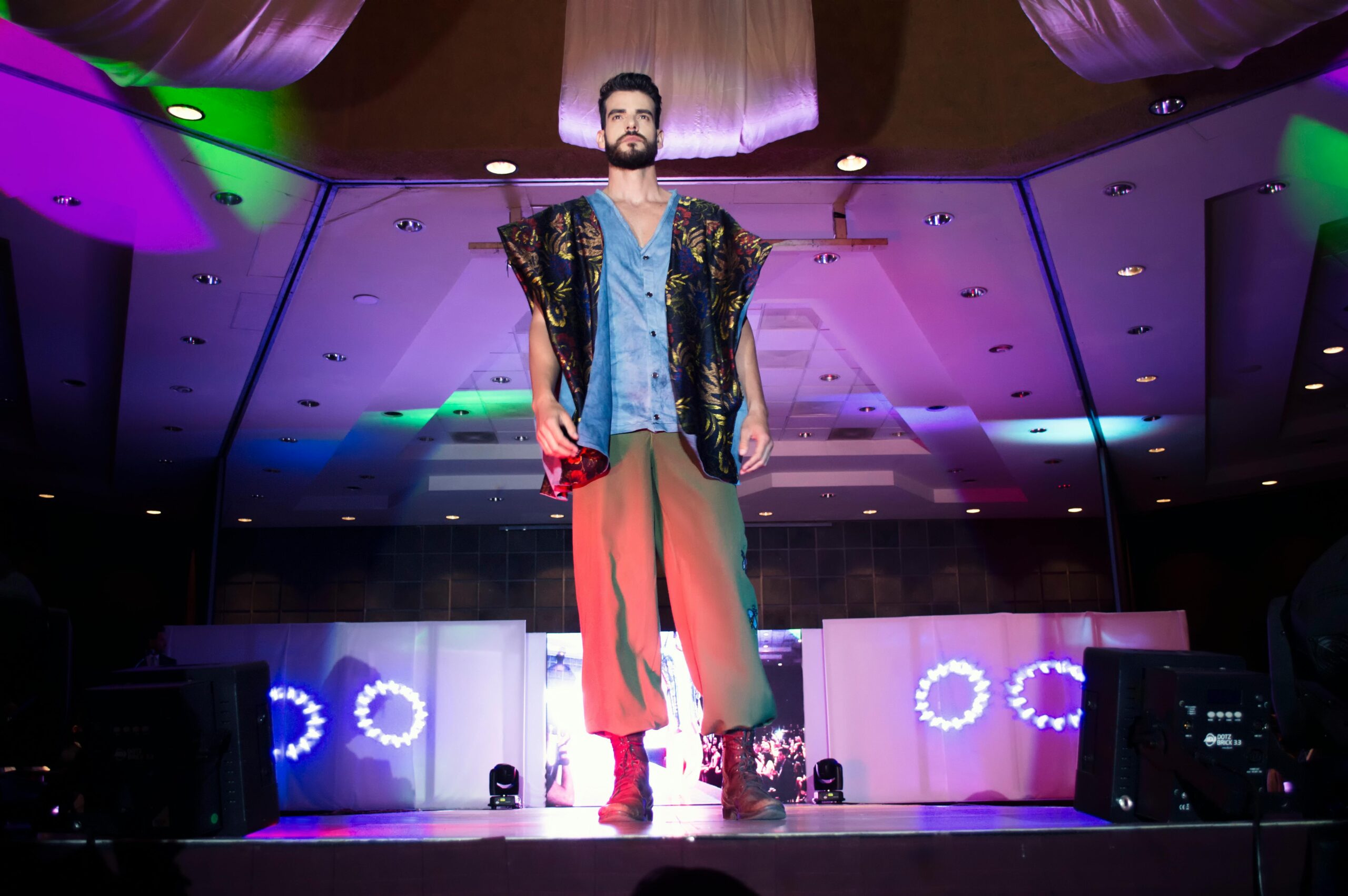
Different designers and brands require distinct runway approaches. A common mistake involves using the same walk for every show, regardless of the collection’s aesthetic or intended message. High-fashion houses typically prefer more dramatic, artistic presentations, while commercial brands might want approachable, relatable energy. Successful models develop versatility, adapting their walk, expression, and overall presence to match each designer’s vision.
Before each show, research the designer’s aesthetic and previous runway presentations. Understanding the brand’s identity helps you make intelligent choices about walk style, facial expression, and energy level. Models who demonstrate this adaptability become favorites among casting directors and designers who appreciate professionals capable of embodying different brand identities rather than simply replicating the same performance regardless of context.
Building Mental Resilience for Runway Performance Pressure
The psychological demands of runway modeling often receive less attention than physical techniques, yet mental mistakes can prove equally detrimental. Performance anxiety, comparison to other models, or dwelling on past mistakes can all undermine your runway presence. Developing mental resilience through visualization techniques, breathing exercises, and positive self-talk helps you maintain confidence even under intense pressure.
Many models make the mistake of catastrophizing minor errors, allowing one small misstep to derail their entire performance. Professional runway work requires the ability to recover quickly from mistakes, maintaining composure and continuing with confidence. If you stumble slightly or miss a mark, the worst response involves visible frustration or loss of confidence. Instead, immediately refocus and complete your walk as planned, understanding that the audience likely didn’t notice or has already forgotten minor imperfections.
Continuous Improvement: The Path to Runway Excellence
The most successful runway models never stop learning and refining their craft. A critical mistake involves believing you’ve mastered runway work after initial success, leading to complacency and stagnation. The fashion industry constantly evolves, with new trends in runway presentation, styling approaches, and performance expectations emerging each season. Commit to ongoing education through runway classes, studying professional shows, and seeking constructive feedback from industry professionals.
Recording and reviewing your performances provides invaluable learning opportunities that many models neglect. When possible, obtain footage of your runway walks and analyze them critically. Identify areas for improvement in your posture, footwork, pacing, and overall presence. This objective self-assessment accelerates improvement far beyond simply relying on how you felt during the performance, which can be misleading due to adrenaline and limited perspective.
Mastering the runway requires dedication, self-awareness, and meticulous attention to detail that extends well beyond natural beauty or photogenic features. By understanding and avoiding these common modeling mistakes, you position yourself for consistent, professional performances that capture designers’ visions and advance your modeling career. The runway remains one of fashion’s most competitive arenas, where small distinctions in technique and professionalism create significant differences in success. Approach each performance as an opportunity to demonstrate not just your appearance but your consummate professionalism, adaptability, and commitment to the craft that transforms clothing into art. 🌟