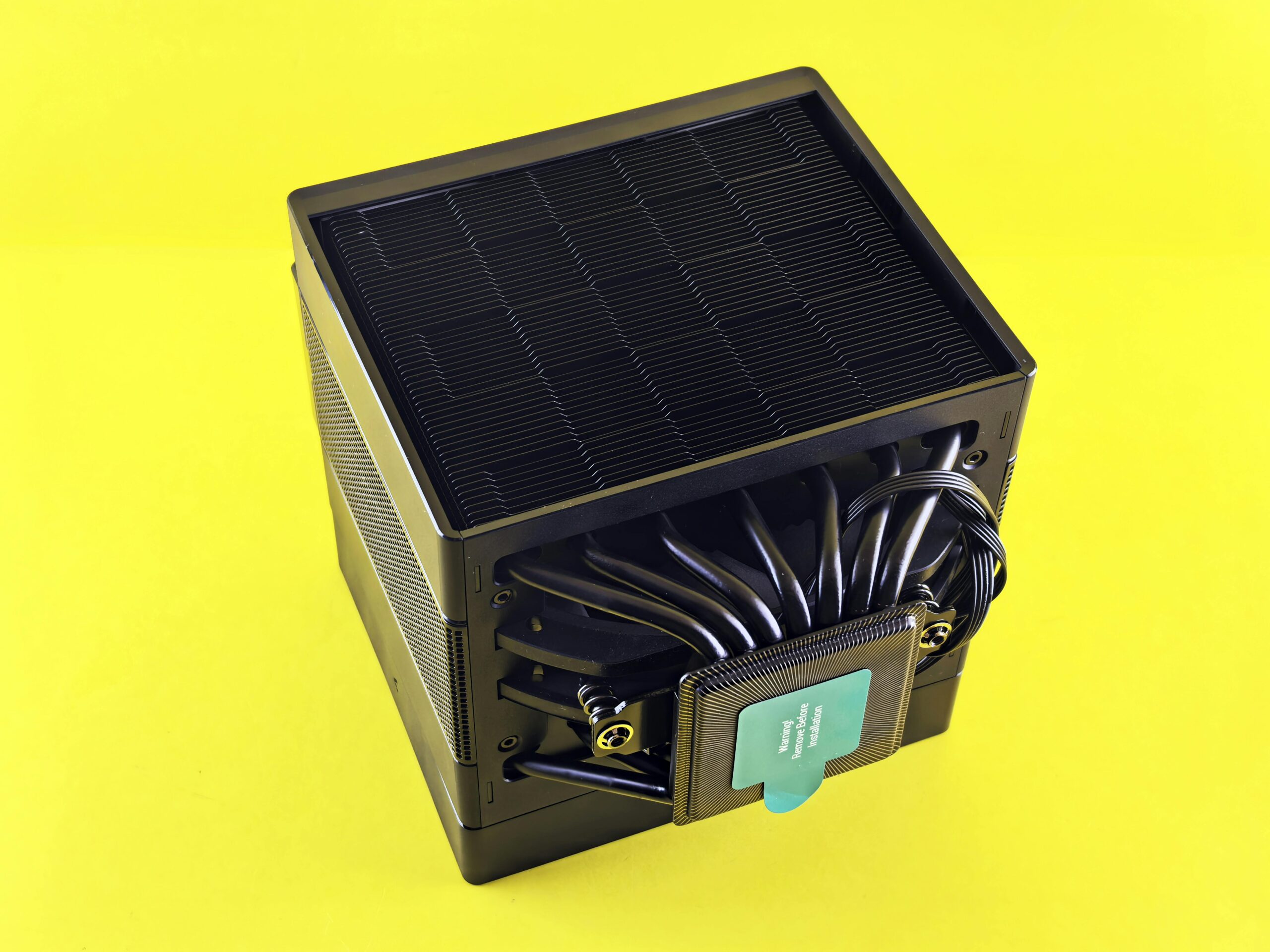
Thermal buoyancy drives natural airflow in buildings and systems, creating dynamic loops that influence energy efficiency, comfort, and indoor air quality in profound ways.

🌡️ The Fundamental Physics Behind Thermal Buoyancy
Understanding thermal buoyancy begins with recognizing a basic principle of physics: warm air rises while cool air descends. This phenomenon occurs because heated air molecules become more energetic, spreading apart and reducing the air’s density. The density difference creates an upward force that propels warmer air masses toward higher elevations while denser, cooler air sinks to lower levels.
This natural convection process forms the foundation of airflow loop behavior in countless applications, from residential ventilation systems to industrial manufacturing facilities. The buoyancy force can be calculated using the Archimedes principle, where the upward force equals the weight of the displaced fluid. In practical terms, even small temperature differences of just a few degrees can generate significant airflow patterns within enclosed spaces.
The strength of thermal buoyancy depends on several factors including the temperature differential between air masses, the height of the space, atmospheric pressure, and the properties of surrounding surfaces. These variables interact in complex ways to create predictable yet dynamic airflow patterns that engineers and architects can harness for various purposes.
How Airflow Loops Form and Function
Airflow loops emerge when thermal buoyancy creates a continuous circulation pattern within a defined space. The process begins with a heat source warming the adjacent air, causing it to rise and create a low-pressure zone near the heat source. Cooler air from elsewhere in the space flows in to replace the rising warm air, establishing a circulation pattern.
These loops can be simple or highly complex depending on the geometry of the space, the number and location of heat sources, the presence of openings or obstructions, and external environmental conditions. In buildings, multiple overlapping loops often coexist, creating intricate three-dimensional airflow patterns that change throughout the day as solar heating, occupancy, and equipment operation vary.
The velocity and volume of air movement within these loops directly correlates to the temperature difference driving the buoyancy effect. Larger temperature differentials generate stronger buoyancy forces, resulting in faster airflow speeds and greater air exchange rates. This relationship explains why natural ventilation works more effectively during cooler seasons when indoor-outdoor temperature differences are greatest.
Stack Effect: The Vertical Dimension of Thermal Loops
The stack effect represents one of the most powerful manifestations of thermal buoyancy in buildings. This phenomenon occurs in vertical shafts, stairwells, elevator cores, and tall spaces where significant height allows temperature-driven pressure differences to develop between upper and lower zones.
During cold weather, heated indoor air rises through vertical passages and exits through upper openings, while cold outdoor air infiltrates through lower openings to replace it. This creates a natural chimney effect that can drive substantial airflow even without mechanical assistance. The pressure difference increases proportionally with both the height of the space and the temperature differential, making the stack effect particularly pronounced in tall buildings.
In summer, the stack effect can reverse if outdoor temperatures exceed indoor temperatures, though the effect is typically weaker because temperature differentials tend to be smaller. Understanding and controlling stack effect is crucial for managing energy consumption, preventing uncomfortable drafts, and maintaining proper pressurization in buildings.
🏢 Impact on Building Performance and Energy Efficiency
Thermal buoyancy and the airflow loops it generates significantly influence building energy performance. When properly understood and harnessed, these natural forces can reduce mechanical heating and cooling loads, decrease fan energy consumption, and improve overall system efficiency. Conversely, uncontrolled buoyancy-driven airflow can create energy waste, comfort problems, and operational challenges.
In naturally ventilated buildings, designers intentionally create airflow loops that leverage thermal buoyancy for cooling and ventilation. Strategic placement of openings at different heights allows warm air to escape from upper vents while cooler outdoor air enters through lower openings. This passive cooling strategy can substantially reduce or eliminate mechanical air conditioning requirements in appropriate climates.
Even in mechanically conditioned buildings, thermal buoyancy affects system performance. Unintended airflow loops can transport conditioned air to unoccupied spaces, create temperature stratification that reduces comfort, and increase the work required from HVAC equipment. Sophisticated building designs account for these effects through careful zoning, strategic placement of supply and return vents, and integration of natural and mechanical ventilation strategies.
Thermal Stratification and Temperature Gradients
One of the most visible consequences of thermal buoyancy is temperature stratification, where distinct temperature layers develop at different heights within a space. In spaces with high ceilings, warm air accumulates near the roof while cooler air remains at occupied levels. This stratification can be beneficial or problematic depending on the application and season.
In warehouses and industrial facilities, stratification can reduce heating costs by keeping warm air at the ceiling away from the occupied zone. However, excessive stratification in office buildings or homes can lead to discomfort, with occupants’ heads in warm air while their feet remain cold. Destratification fans or properly designed airflow patterns can mitigate these issues by promoting mixing between layers.
The degree of stratification depends on the strength of thermal buoyancy forces versus mixing forces from mechanical systems, occupant movement, and turbulence. High-powered heating or cooling systems can overcome natural stratification, while minimal mechanical intervention allows buoyancy-driven layering to dominate.
Design Strategies for Harnessing Thermal Airflow Loops
Effective building design recognizes thermal buoyancy as both an opportunity and a challenge. Architects and engineers employ various strategies to work with rather than against these natural forces, creating comfortable, efficient environments that require less energy input.
Passive ventilation chimneys or solar chimneys exemplify intentional buoyancy-driven design. These features use solar heating or internal heat gains to warm air within a vertical shaft, creating strong upward flow that draws fresh air through the building. The chimney height and cross-sectional area can be calculated to achieve desired ventilation rates based on expected temperature differentials.
Atrium designs in commercial buildings often incorporate thermal buoyancy principles, using the tall central space as an exhaust path for warm air while introducing fresh air at lower levels. This approach provides natural ventilation during moderate weather while also creating an architecturally impressive interior space. Control strategies typically include automated vents that open or close based on indoor and outdoor conditions.
Computational Modeling of Buoyancy-Driven Flows
Modern design increasingly relies on computational fluid dynamics (CFD) modeling to predict and optimize thermal airflow patterns before construction. These simulations solve the complex equations governing heat transfer, buoyancy forces, and fluid motion to visualize how air will move through proposed designs under various conditions.
CFD analysis reveals potential problems such as dead zones with inadequate ventilation, uncomfortable drafts, or short-circuiting where supply air reaches exhaust points without properly ventilating occupied spaces. Designers can test multiple configurations virtually, refining vent locations, sizes, and geometries to achieve optimal performance without costly physical prototyping.
The accuracy of CFD predictions depends on proper boundary condition specification, appropriate turbulence modeling, and sufficient mesh resolution in areas of interest. When validated against measured data, these models provide invaluable insight into the invisible airflow patterns that determine building performance and comfort.
🔄 Seasonal Variations and Adaptive Control
Thermal buoyancy effects vary dramatically across seasons as outdoor temperatures change. Winter conditions typically create strong upward buoyancy forces as heated indoor air contrasts sharply with cold outdoor air. Summer often reverses or weakens these patterns, particularly in air-conditioned buildings where indoor temperatures may be lower than outdoors.
Adaptive control strategies adjust ventilation system operation to account for changing buoyancy conditions throughout the year. During spring and fall shoulder seasons when outdoor temperatures are moderate, natural ventilation may satisfy all cooling needs, allowing mechanical systems to remain off. Control algorithms monitor indoor and outdoor temperatures, wind conditions, and occupancy to determine optimal operating modes.
Night flush ventilation represents a specific application of seasonal buoyancy control. During warm weather, buildings are purged of accumulated heat overnight when outdoor temperatures drop and thermal buoyancy assists in driving cool night air through the structure. The building’s thermal mass cools down, reducing next-day cooling loads and delaying the need for mechanical air conditioning.
Industrial and Process Applications
Beyond buildings, thermal buoyancy and airflow loops play critical roles in industrial processes. Foundries, furnace operations, and manufacturing facilities with significant heat sources experience powerful buoyancy-driven flows that affect worker comfort, equipment performance, and energy consumption.
Industrial ventilation design must account for thermal plumes rising from hot processes. Capture hoods positioned above heat sources intercept rising contaminated air before it spreads throughout the facility. The natural buoyancy assists hood performance, reducing the fan power required compared to capturing cool, non-buoyant contaminants.
Data centers represent another industrial application where thermal buoyancy significantly impacts design. Server equipment generates substantial heat in concentrated areas, creating strong upward airflow. Hot aisle/cold aisle arrangements leverage this buoyancy by channeling hot exhaust air upward into return plenums while supplying cool air at floor level, working with rather than against natural convection patterns.
Fire Safety and Smoke Control Considerations
Thermal buoyancy becomes a life safety concern during fire events when extremely hot smoke and gases rise rapidly through buildings. Smoke control systems must account for powerful buoyancy forces that can overwhelm mechanical ventilation systems if not properly designed.
Stairwell pressurization systems fight against stack effect to maintain positive pressure that prevents smoke infiltration into escape routes. The required fan capacity depends on the building height, outdoor temperature, and door opening frequency. During cold weather when stack effect is strongest, maintaining adequate pressurization becomes most challenging and energy-intensive.
Atrium smoke control often uses natural venting at the top of the space, allowing buoyant smoke to rise and exit while maintaining clear conditions at lower levels where occupants evacuate. Properly sized vents can remove smoke without mechanical assistance, though backup fans typically provide redundancy. Understanding the buoyancy-driven flow rates for various fire scenarios ensures adequate vent sizing.
⚡ Integration with Mechanical Systems
Modern buildings typically combine natural thermal buoyancy effects with mechanical HVAC systems in hybrid approaches that optimize comfort and efficiency. The key lies in understanding how these forces interact and designing control strategies that leverage their complementary strengths.
Displacement ventilation systems work in harmony with thermal buoyancy by supplying cool air at low velocity near the floor. The cool air spreads across the floor, gradually warming as it absorbs heat from occupants and equipment. Natural buoyancy then lifts the warmed, contaminated air upward to ceiling-level exhausts, creating an efficient upward flow pattern that delivers fresh air precisely where occupants breathe while removing contaminants at the ceiling.
Underfloor air distribution systems similarly leverage buoyancy by supplying conditioned air through floor diffusers. The supplied air is typically warmer than traditional overhead systems, relying on thermal plumes from occupants and equipment to provide mixing and circulation. This approach reduces fan energy while improving comfort and air quality in the occupied zone.
Balancing Natural and Mechanical Forces
Successful hybrid systems require careful balancing between natural buoyancy forces and mechanical ventilation. If mechanical systems operate at high velocities with strong mixing, they can overwhelm natural stratification patterns. Conversely, if mechanical forces are too weak, uncontrolled buoyancy may create uncomfortable temperature variations or inadequate ventilation in some zones.
Variable air volume (VAV) systems adjust supply airflow rates based on thermal loads, which inherently affects the balance between mechanical and buoyancy-driven flows. During low-load conditions when VAV systems supply minimal airflow, natural convection becomes more influential. Control algorithms should account for this shift to maintain consistent temperature distribution and comfort.
Building management systems increasingly incorporate sensors that measure vertical temperature gradients, allowing real-time assessment of stratification conditions. This data enables adaptive control strategies that adjust fan speeds, damper positions, and system operating modes to maintain optimal conditions while minimizing energy consumption.
🌍 Climate-Specific Considerations and Global Applications
The effectiveness and design implications of thermal buoyancy vary significantly across climate zones. Hot-humid climates present different challenges and opportunities compared to cold, dry climates, requiring regionally appropriate strategies.
In hot-arid climates like the Middle East or southwestern United States, traditional architecture has long exploited thermal buoyancy through wind towers and ventilation shafts. These passive cooling features use nighttime temperature drops and shading to create cool air sources that flow into buildings while allowing hot air to exhaust through elevated openings. Modern interpretations of these ancient techniques appear in contemporary sustainable architecture.
Cold climate buildings must carefully manage wintertime stack effect to prevent excessive infiltration and energy loss. Vestibules, revolving doors, and pressure management systems help control the powerful buoyancy forces that can create uncomfortable drafts and drive up heating costs. Some designers intentionally create separate thermal zones with buffer spaces that mitigate stack effect impacts on occupied areas.
Tropical climates with minimal temperature variation between indoor and outdoor environments experience weaker buoyancy forces. Natural ventilation in these regions relies more heavily on wind-driven flow than thermal buoyancy, though internal heat gains from occupants and equipment still create useful convective patterns within buildings.
Measuring and Monitoring Airflow Loop Behavior
Quantifying thermal buoyancy effects and the resulting airflow patterns requires appropriate measurement techniques and instrumentation. Temperature sensors placed at multiple heights reveal stratification profiles and temperature gradients that indicate buoyancy strength. Differential pressure measurements across vertical distances show the pressure driving forces created by thermal effects.
Tracer gas testing provides direct measurement of air exchange rates and flow patterns driven by buoyancy and other forces. A non-toxic tracer gas is released and its concentration monitored over time at various locations, revealing how air circulates through spaces and how quickly fresh air replaces stale air.
Particle image velocimetry and hot-wire anemometry offer detailed velocity field measurements that map airflow patterns with high spatial and temporal resolution. These techniques, though more complex and expensive, provide the detailed data needed to validate CFD models and understand subtle flow phenomena in research applications.
💡 Future Directions and Emerging Technologies
Advancing technology continues to expand possibilities for harnessing thermal buoyancy in building design and operation. Smart materials that change properties in response to temperature could create self-regulating ventilation openings that automatically adjust to optimize buoyancy-driven flow without electronic controls or energy input.
Machine learning algorithms analyzing historical building performance data can develop predictive models of thermal buoyancy behavior under various conditions, enabling proactive rather than reactive control strategies. These systems learn optimal control sequences that maximize comfort and efficiency by anticipating rather than simply responding to changing conditions.
Phase change materials integrated into building envelopes and interior surfaces can modulate thermal buoyancy effects by absorbing or releasing heat at specific temperatures. This thermal mass enhancement dampens extreme temperature swings and reduces the magnitude of buoyancy-driven flows during peak conditions while maintaining beneficial circulation during moderate periods.
Advanced sensor networks with wireless connectivity enable dense monitoring of temperature, pressure, and airflow throughout buildings at reasonable cost. This data granularity reveals previously invisible aspects of thermal buoyancy behavior, supporting both improved control in existing buildings and better design of future structures.
Practical Implementation Guidelines
For professionals seeking to effectively incorporate thermal buoyancy considerations into projects, several practical guidelines ensure successful outcomes. Begin with thorough analysis of the specific climate, building geometry, and intended use patterns to understand expected temperature differentials and resulting buoyancy forces.
Consider vertical connectivity carefully, as unintended openings between floors can create unwanted stack effects. Stairwells, elevator shafts, utility chases, and even small penetrations for pipes and cables provide paths for buoyancy-driven airflow. Proper sealing and compartmentalization prevent uncontrolled flows while strategic openings harness beneficial effects.
Design flexibility into systems to accommodate varying conditions and uses over time. Operable windows, adjustable vents, and variable-speed fans allow adaptation to changing seasons, occupancy patterns, and building modifications. What works optimally in one season may require different operating strategies in another.
Thermal buoyancy represents a powerful natural force that influences airflow loop behavior in buildings and industrial facilities worldwide. By understanding the physics, recognizing the implications for comfort and efficiency, and implementing thoughtful design and control strategies, professionals can harness this phenomenon to create superior indoor environments that work with nature rather than against it. The future of sustainable building design increasingly depends on our ability to unlock and apply the power of thermal buoyancy effectively.