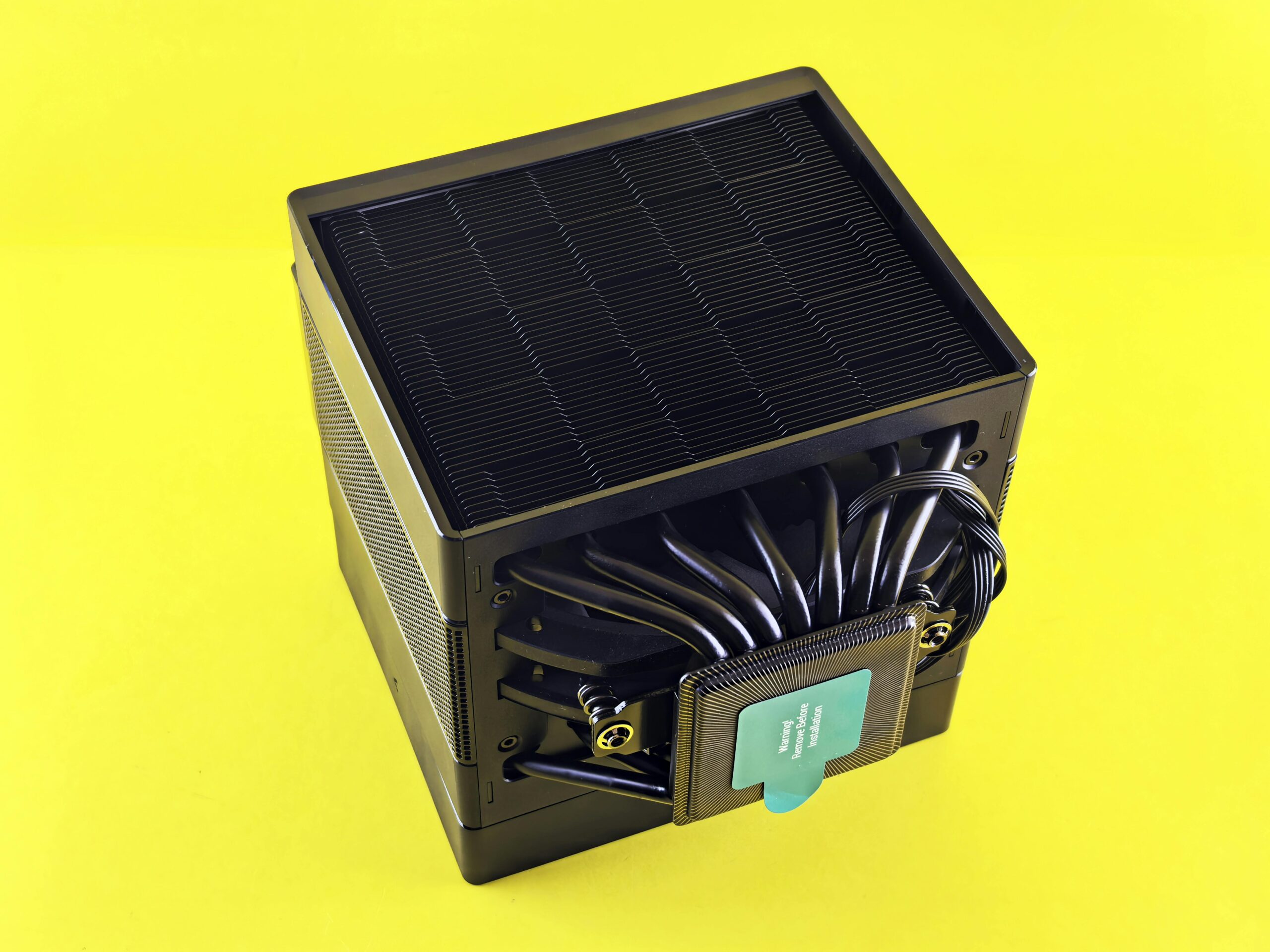
Modern HVAC systems face unprecedented challenges in maintaining optimal indoor air quality and thermal comfort as building occupancy patterns shift throughout the day, demanding intelligent airflow management strategies.

🌬️ The Dynamic Challenge of Modern Building Environments
Today’s commercial and institutional buildings are living, breathing ecosystems where occupancy levels fluctuate dramatically from morning to evening. Conference rooms fill and empty, open office spaces experience waves of activity, and shared areas see unpredictable foot traffic. Each of these changes impacts indoor air quality, temperature, and the overall comfort of building occupants.
Traditional HVAC systems operate on static schedules or simple thermostatic controls, treating buildings as if they maintain constant conditions. This approach wastes energy during low-occupancy periods and fails to respond adequately when spaces suddenly fill with people. The result? Uncomfortable occupants, excessive energy consumption, and systems that work harder than necessary.
The solution lies in achieving loop stability—a dynamic equilibrium where airflow systems continuously adapt to changing conditions while maintaining comfort parameters. This isn’t just about saving energy; it’s about creating responsive environments that anticipate and meet human needs in real-time.
Understanding Loop Stability in HVAC Systems
Loop stability refers to a control system’s ability to maintain desired conditions without oscillation, overshoot, or excessive settling time. In HVAC applications, this means your airflow system responds smoothly to changes in occupancy, temperature, and air quality without cycling on and off repeatedly or swinging between extremes.
When loop stability is compromised, occupants experience temperature swings, drafts, and stuffy conditions. The mechanical systems endure unnecessary wear and tear from constant cycling, and energy costs skyrocket as equipment fights against itself to maintain comfort.
The Three Pillars of Airflow Loop Stability
Achieving consistent performance in variable occupancy environments requires attention to three fundamental elements that work together to create responsive, efficient systems:
- Accurate sensing: Real-time detection of occupancy, CO2 levels, temperature, and humidity provides the data foundation for informed control decisions
- Intelligent control algorithms: Sophisticated processing that interprets sensor data and calculates appropriate responses without overreacting to temporary fluctuations
- Responsive actuation: Variable-speed fans, modulating dampers, and adjustable diffusers that can implement control decisions smoothly and proportionally
Occupancy Sensing: The Foundation of Adaptive Airflow
The journey toward loop stability begins with knowing who’s in the building and where they’re located. Modern occupancy detection has evolved far beyond simple motion sensors that treat presence as a binary state. Today’s systems employ multiple sensing modalities to build comprehensive occupancy profiles.
Passive infrared sensors detect heat signatures from human bodies, providing reliable presence detection in smaller spaces. Ultrasonic sensors detect movement through sound wave reflection, proving effective in larger open areas. CO2 sensors offer indirect occupancy measurement by monitoring the carbon dioxide produced by human respiration—a particularly valuable metric for assessing ventilation adequacy.
Advanced systems integrate these sensor types, cross-referencing data to eliminate false positives and create accurate occupancy maps. A conference room might show motion sensor activity, but if CO2 levels remain low, the system recognizes that only one or two people are present rather than a full meeting, adjusting airflow accordingly.
Predictive Occupancy Patterns 📊
The most sophisticated airflow management systems don’t just react to current conditions—they anticipate future needs based on learned patterns. Machine learning algorithms analyze historical occupancy data to recognize daily, weekly, and seasonal trends.
A university lecture hall might predictably fill every Tuesday and Thursday at 10:00 AM. Rather than waiting for CO2 levels to climb and occupants to feel uncomfortable, the system begins increasing airflow five minutes before the scheduled class time. This proactive approach eliminates the lag time between occupancy changes and comfort delivery.
Control Algorithms: The Brain Behind Stable Loops
Raw sensor data is meaningless without intelligent interpretation and response. Control algorithms transform measurements into actionable commands that maintain comfort while achieving stability. The challenge lies in responding quickly enough to prevent discomfort while avoiding the oscillations that plague poorly tuned systems.
Traditional PID (Proportional-Integral-Derivative) controllers form the backbone of most HVAC control schemes. These mathematical constructs calculate the difference between desired and actual conditions, then determine the appropriate corrective action. The proportional component responds to the magnitude of the error, the integral component addresses persistent offsets, and the derivative component anticipates future trends based on the rate of change.
Advanced Control Strategies for Variable Occupancy
While PID control works well for static conditions, changing occupancy demands more sophisticated approaches. Model Predictive Control (MPC) uses mathematical models of building thermal behavior to forecast future conditions and optimize control actions across extended time horizons.
An MPC system might recognize that a large conference room will be occupied in two hours based on calendar integration. Rather than maintaining full airflow until that moment or waiting for conditions to degrade, the algorithm calculates the optimal pre-cooling trajectory that brings the space to ideal conditions precisely when occupants arrive, minimizing energy consumption while ensuring comfort.
Adaptive control algorithms continuously tune their own parameters based on system performance. If a particular zone consistently overshoots temperature targets, the algorithm automatically adjusts its response characteristics to achieve smoother control. This self-optimization proves invaluable in buildings where occupancy patterns evolve over time or where seasonal changes affect thermal behavior.
Variable Air Volume Systems: Flexibility Meets Efficiency ⚙️
The physical delivery of conditioned air must match the sophistication of sensing and control strategies. Variable Air Volume (VAV) systems provide the mechanical flexibility needed for stable loop performance across changing occupancy conditions.
Unlike constant-volume systems that maintain steady airflow regardless of actual needs, VAV systems modulate airflow in response to demand. Each zone has a VAV terminal unit with a damper that opens and closes to adjust air delivery based on local temperature and occupancy conditions.
Modern VAV systems incorporate variable-speed drives on supply fans, allowing the entire system to reduce airflow during low-demand periods. This creates substantial energy savings compared to systems that throttle dampers while maintaining high fan speeds—an approach comparable to driving with one foot on the accelerator and the other on the brake.
Demand-Controlled Ventilation in Practice
Demand-Controlled Ventilation (DCV) represents the marriage of occupancy sensing, intelligent control, and variable air delivery. Rather than providing constant ventilation based on maximum occupancy assumptions, DCV systems adjust outdoor air intake based on actual occupancy as indicated by CO2 sensors.
Consider a 200-person auditorium designed for maximum occupancy but typically used by groups of 30-50 people. Traditional constant-ventilation approaches condition outdoor air for 200 people continuously, wasting enormous energy heating or cooling air for occupants who aren’t present. DCV systems reduce ventilation rates proportionally to actual occupancy, delivering substantial energy savings while maintaining superior indoor air quality.
Tuning for Stability: The Art and Science of Commissioning
Even the most advanced sensors, algorithms, and mechanical systems require proper tuning to achieve stable loop performance. Commissioning—the systematic process of verifying and optimizing system performance—transforms theoretical capabilities into real-world results.
Proper tuning balances competing priorities. Aggressive control gains respond quickly to changes but risk oscillation and overshoot. Conservative gains provide stability but may leave occupants uncomfortable during rapid occupancy changes. The optimal balance depends on specific building characteristics, occupancy patterns, and comfort priorities.
Testing Under Real Occupancy Conditions
Laboratory conditions and empty buildings provide poor testing environments for systems designed to handle variable occupancy. Effective commissioning observes system performance during actual use, documenting response times, temperature stability, and occupant comfort across diverse scenarios.
A comprehensive commissioning process tests morning start-up, afternoon peak occupancy, evening shutdown, and weekend setback modes. Special attention goes to transition periods when occupancy changes rapidly—the times when poorly tuned systems most often fail to maintain stability.
| Occupancy Scenario | Target Response Time | Acceptable Temperature Swing | Key Stability Indicators |
|---|---|---|---|
| Morning warm-up | 30-45 minutes | ±2°F from setpoint | Smooth approach to setpoint without overshoot |
| Sudden occupancy increase | 5-10 minutes | ±3°F from setpoint | CO2 levels remain below 1000 ppm |
| Gradual occupancy decrease | 15-20 minutes | ±2°F from setpoint | Airflow reduction without drafts |
| Weekend setback | 2-3 hours before occupancy | ±1°F from setpoint | Energy-optimal pre-conditioning profile |
Energy Implications of Stable Airflow Control 💡
Loop stability isn’t merely about comfort—it directly impacts energy consumption. Unstable systems waste energy through excessive equipment cycling, simultaneous heating and cooling, and unnecessary air conditioning during low-occupancy periods.
Studies demonstrate that properly tuned demand-controlled ventilation systems reduce HVAC energy consumption by 20-30% in buildings with variable occupancy. The savings stem from multiple sources: reduced outdoor air conditioning loads, lower fan energy from decreased airflow, and elimination of over-ventilation during partial occupancy.
Variable-speed fan control contributes additional savings through the affinity laws of fluid dynamics. Reducing fan speed by 20% cuts energy consumption by nearly 50%, as fan power requirements decrease with the cube of speed changes. Stable control loops that smoothly modulate fan speeds rather than cycling on and off capture these savings while extending equipment life.
Indoor Air Quality Considerations in Dynamic Systems
While energy efficiency matters, indoor air quality remains the primary justification for mechanical ventilation. Achieving loop stability cannot compromise the fundamental purpose of providing healthy indoor environments.
Effective demand-controlled ventilation maintains CO2 levels below recommended thresholds (typically 1000 ppm for most spaces, 800 ppm for optimal cognitive performance) while adjusting total airflow based on occupancy. This requires careful sensor placement, proper control algorithm tuning, and adequate minimum ventilation rates even during low occupancy.
Addressing Air Quality Beyond CO2
Carbon dioxide serves as a convenient proxy for occupancy and human bioeffluents, but modern indoor air quality concerns extend beyond simple CO2 monitoring. Volatile organic compounds from building materials and furnishings, particulate matter from outdoor sources, and humidity levels all impact occupant health and comfort.
Advanced systems integrate multiple air quality sensors into control strategies, adjusting ventilation not just for occupancy but for comprehensive indoor environmental quality. When outdoor particulate levels spike during wildfire season, the system might reduce outdoor air intake while increasing filtration. When indoor VOC levels rise during renovation work, ventilation rates increase regardless of occupancy to flush contaminants.
Integration with Building Management Systems 🏢
Airflow control doesn’t exist in isolation. Modern building management systems integrate HVAC, lighting, security, and other building services into cohesive platforms that share data and coordinate responses.
Calendar integration allows HVAC systems to anticipate scheduled occupancy rather than relying solely on real-time sensors. When a large meeting appears on the calendar system, pre-conditioning begins automatically. If the meeting is cancelled, the system adjusts immediately rather than conditioning an empty space.
Badge access systems provide accurate occupancy counts for secure areas where other sensing methods prove impractical. Lighting systems indicate which spaces are actually in use, providing another data source for occupancy determination. This multi-system integration creates more accurate occupancy models and enables more stable, responsive control.
Overcoming Implementation Challenges
Achieving loop stability in changing occupancy environments presents practical challenges beyond theoretical control strategies. Existing buildings often lack adequate sensor infrastructure, control systems may not support advanced algorithms, and mechanical systems might lack the variable-capacity equipment needed for responsive control.
Retrofit applications require careful assessment of existing capabilities and strategic upgrades that provide maximum benefit for available budget. Sometimes simple improvements—adding occupancy sensors to key zones, upgrading to variable-speed fan drives, or implementing better control sequences—deliver substantial performance gains without complete system replacement.
Budget-Conscious Approaches to Improved Stability
Not every building requires state-of-the-art predictive control and comprehensive sensor networks. Prioritizing improvements based on occupancy variability and current performance issues ensures resources deliver maximum value.
Spaces with highly variable occupancy—conference rooms, cafeterias, auditoriums—benefit most from demand-controlled ventilation and responsive airflow control. Areas with relatively stable occupancy might require only basic scheduling and temperature control. Focusing advanced control strategies where they provide greatest benefit optimizes return on investment.
Future Directions: AI and Machine Learning in Airflow Management 🤖
Artificial intelligence and machine learning represent the next frontier in achieving loop stability under changing occupancy conditions. These technologies excel at recognizing patterns in complex, multi-variable systems and adapting control strategies based on experience.
Neural networks trained on historical building data can predict occupancy patterns with remarkable accuracy, accounting for day-of-week effects, seasonal variations, special events, and even weather impacts on building usage. These predictions enable proactive control that anticipates needs before conditions deteriorate.
Reinforcement learning algorithms discover optimal control strategies through trial and error, learning which actions produce desired outcomes without requiring explicit programming of control logic. Over time, these systems develop building-specific strategies that human programmers might never conceive but that deliver superior performance.
The Human Element: Occupant Feedback and Satisfaction
Technology and algorithms matter, but occupant comfort remains the ultimate measure of success. The most stable, efficient system fails if occupants feel uncomfortable, stuffy, or cold.
Progressive building operators incorporate occupant feedback mechanisms that allow real-time comfort reporting. Mobile apps, web portals, or simple wall-mounted buttons let occupants communicate when conditions don’t meet their needs. This feedback provides valuable data for control algorithm tuning and helps identify sensor failures or control logic problems.
Importantly, stable loop performance typically improves occupant satisfaction even when average conditions remain similar to less-stable systems. Humans adapt reasonably well to consistent conditions but find temperature swings, drafts, and stuffy periods particularly uncomfortable. Stability itself becomes a comfort factor independent of average setpoints.
Measuring Success: Key Performance Indicators for Airflow Systems
Quantifying loop stability and system performance requires appropriate metrics that capture both energy efficiency and comfort delivery. Key performance indicators should reflect the dual goals of responsive occupant service and resource conservation.
- Temperature stability: Standard deviation of zone temperatures during occupied periods should remain below 1.5°F for excellent stability
- Ventilation adequacy: CO2 levels should stay below 1000 ppm at least 95% of occupied time
- Energy efficiency: HVAC energy use per square foot compared to similar buildings in similar climates provides context for performance
- Occupant satisfaction: Thermal comfort surveys and complaint frequency indicate whether technical performance translates to human comfort
- Response time: Time required to reach comfortable conditions after occupancy changes measures system responsiveness

Creating Resilient, Responsive Indoor Environments ✨
Unleashing the power of airflow through stable loop control transforms buildings from static containers into responsive environments that adapt to human needs. This transformation requires integrating sensing technology, control intelligence, and mechanical flexibility into cohesive systems that balance comfort, air quality, and energy efficiency.
The path forward involves continuous improvement rather than one-time installation. Regular monitoring, ongoing commissioning, and iterative refinement of control strategies ensure systems maintain optimal performance as buildings age, occupancy patterns evolve, and equipment characteristics change.
Buildings that achieve true loop stability in changing occupancy environments deliver tangible benefits: lower energy costs, improved indoor air quality, extended equipment life, and enhanced occupant satisfaction. These outcomes justify the investment in advanced sensing, control, and mechanical systems while contributing to broader sustainability goals.
As building automation technology continues advancing, the gap between theoretical capability and practical implementation narrows. Cloud-based analytics, affordable sensor networks, and accessible machine learning tools democratize advanced airflow management, making sophisticated control strategies available beyond premium commercial developments.
The future of indoor environmental control lies not in simply maintaining fixed conditions but in creating living systems that respond intelligently to the dynamic nature of human occupancy. Achieving loop stability in these changing environments represents both technical challenge and tremendous opportunity—one that forward-thinking building operators and designers are already seizing to create better, more efficient indoor spaces.