Space exploration demands meticulous attention to food and water safety protocols, where microgravity transforms everyday meal preparation into a complex engineering challenge requiring innovative solutions.

🚀 The Fundamental Challenge of Eating in Space
When astronauts venture beyond Earth’s atmosphere, they enter an environment where fundamental assumptions about food handling completely change. Water doesn’t pour, crumbs don’t fall, and contamination doesn’t settle—it floats. This microgravity environment creates unique challenges that demand revolutionary approaches to food safety, water purification, and meal management.
The International Space Station orbits Earth at approximately 28,000 kilometers per hour, yet inside, astronauts experience what feels like weightlessness. This condition affects everything from how liquids behave to how microorganisms spread. Understanding these dynamics is crucial for maintaining crew health during missions that can last six months or longer.
Understanding Microgravity’s Impact on Food Safety
Microgravity fundamentally alters how we approach food safety. On Earth, gravity helps contain spills, settle particles, and facilitate natural separation processes. In space, these taken-for-granted phenomena disappear, creating scenarios that food safety professionals never encounter terrestrially.
The Physics of Floating Food Particles 🌌
Every food particle that breaks free becomes a potential hazard. A single bread crumb can float into sensitive equipment, lodge in an astronaut’s eye, or be inhaled into lungs. This reality necessitates specially designed space food that minimizes particle generation while maintaining nutritional value and palatability.
Surface tension becomes the dominant force in microgravity, causing liquids to form spherical blobs rather than flowing predictably. This phenomenon requires astronauts to consume beverages through special pouches with straws, preventing liquid globules from escaping and damaging electronics or creating breathing hazards.
Bacterial Behavior Beyond Earth’s Pull
Research has revealed that some bacteria actually become more virulent in microgravity conditions. Studies conducted aboard the Space Shuttle and ISS demonstrated that certain pathogenic bacteria develop increased antibiotic resistance and thicker biofilms when grown in space. This finding revolutionized our understanding of food safety requirements for long-duration missions.
The absence of convection currents in microgravity means that bacteria don’t disperse the same way they do on Earth. Instead, they can concentrate in unexpected locations, making traditional sanitation approaches insufficient. Space agencies have developed specialized protocols that account for these unique microbial behaviors.
Water Management Systems: The Lifeline of Space Missions 💧
Water represents perhaps the most critical resource in space, essential for hydration, food preparation, and hygiene. The expense of launching water into orbit—approximately $10,000 per kilogram—makes conservation and recycling absolute necessities. Modern space stations employ sophisticated water recovery systems that recycle nearly every drop.
Closed-Loop Water Purification Technology
The ISS Water Recovery System represents a marvel of engineering, capable of reclaiming water from humidity condensate, urine, and even astronaut sweat. This system employs multiple filtration stages, including:
- Filtration to remove particulates and debris
- Chemical treatment to eliminate organic compounds
- High-temperature catalytic oxidation to destroy trace contaminants
- Ion exchange to remove dissolved minerals
- Final microbial check to ensure potability
The recovered water meets or exceeds the quality standards for municipal drinking water on Earth. Astronauts frequently joke that today’s coffee was yesterday’s coffee, highlighting the system’s remarkable efficiency. This technology has terrestrial applications, particularly in regions facing water scarcity.
Monitoring Water Quality in Real-Time
Continuous water quality monitoring prevents potential health crises before they develop. Space stations employ multiple sensors that track pH levels, conductivity, total organic carbon, and microbial contamination. Any deviation from acceptable parameters triggers immediate alerts, allowing crew members to address issues proactively.
Regular water sampling remains essential despite automated monitoring. Astronauts conduct periodic analyses using specialized test kits designed for microgravity use, ensuring that multiple verification systems protect crew health throughout the mission.
Food Packaging Innovation for Space Environments 📦
Space food packaging must accomplish multiple objectives simultaneously: preserve nutritional content, prevent contamination, minimize waste, enable easy consumption in microgravity, and withstand temperature fluctuations. These requirements have driven remarkable innovations in packaging technology.
Thermostabilized Pouches and Rehydratable Foods
Modern space food primarily comes in thermostabilized pouches or freeze-dried packages requiring rehydration. Thermostabilized foods undergo heat treatment that destroys microorganisms while maintaining flavor and texture better than traditional canning. These pouches are lightweight, durable, and designed for direct consumption without generating loose particles.
Freeze-dried foods offer exceptional shelf life and weight reduction—critical factors for space missions. Astronauts rehydrate these meals using the station’s water dispenser, which injects precise amounts of hot or cold water directly into the package. This closed-system approach prevents water droplets from escaping into the cabin environment.
The Evolution of Space Food Variety
Early space missions featured limited menu options with questionable palatability. John Glenn squeezed applesauce from aluminum tubes during his 1962 orbital flight. Today’s astronauts enjoy menus featuring over 200 items, including international cuisines that boost morale during extended missions.
Fresh food occasionally arrives with resupply missions, providing psychological benefits alongside nutritional value. The brief availability of fresh fruits, vegetables, and other perishables creates celebrated events aboard the station, though strict inspection protocols ensure these items don’t introduce contaminants.
🍽️ Practical Food Handling Protocols in Microgravity
Astronauts undergo extensive training in space food preparation and handling before launch. These protocols address the unique challenges of eating in an environment where everything floats and conventional kitchen wisdom doesn’t apply.
Meal Preparation Procedures
The ISS galley, though compact, contains specialized equipment including a forced-air convection oven and the water dispenser system. Astronauts follow strict procedures when preparing meals:
- Secure all food packages using velcro or bungee cords to prevent floating
- Cut packages carefully to avoid creating food particle clouds
- Use scissors designed specifically for space food packaging
- Add water slowly when rehydrating to allow proper absorption
- Knead rehydratable packages thoroughly to ensure even moisture distribution
- Heat foods in the oven only within designated time parameters
Eating Techniques That Prevent Contamination
Consuming food in microgravity requires deliberate technique. Astronauts eat slowly, ensuring food items remain controlled at all times. Utensils feature magnetized handles that attach to meal trays, preventing them from floating away. Meal trays themselves attach to astronaut laps or to surfaces using spring-loaded mechanisms.
Seasoning presents unique challenges—salt and pepper exist as liquid suspensions rather than granules, preventing floating particles that could irritate eyes or respiratory systems. This innovation, born from necessity, demonstrates how space exploration drives unexpected innovation.
Preventing Cross-Contamination in Confined Spaces 🛡️
The enclosed environment of a spacecraft amplifies cross-contamination risks. Air circulation systems can spread airborne particles throughout the station rapidly, meaning a single contamination event could affect the entire crew. Prevention strategies must be comprehensive and rigorously followed.
Surface Sanitation and Disinfection
Astronauts clean food preparation surfaces before and after each use with specially formulated disinfectant wipes. These wipes contain antimicrobial agents effective against a broad spectrum of pathogens while being safe for use in the confined environment. Used wipes are immediately sealed in waste bags to prevent moisture release.
All food contact surfaces undergo regular deep cleaning using approved protocols. The microgravity environment actually simplifies some cleaning tasks—sprayed cleaning solutions form manageable droplets that can be wiped away efficiently without dripping onto other surfaces.
Personal Hygiene Standards
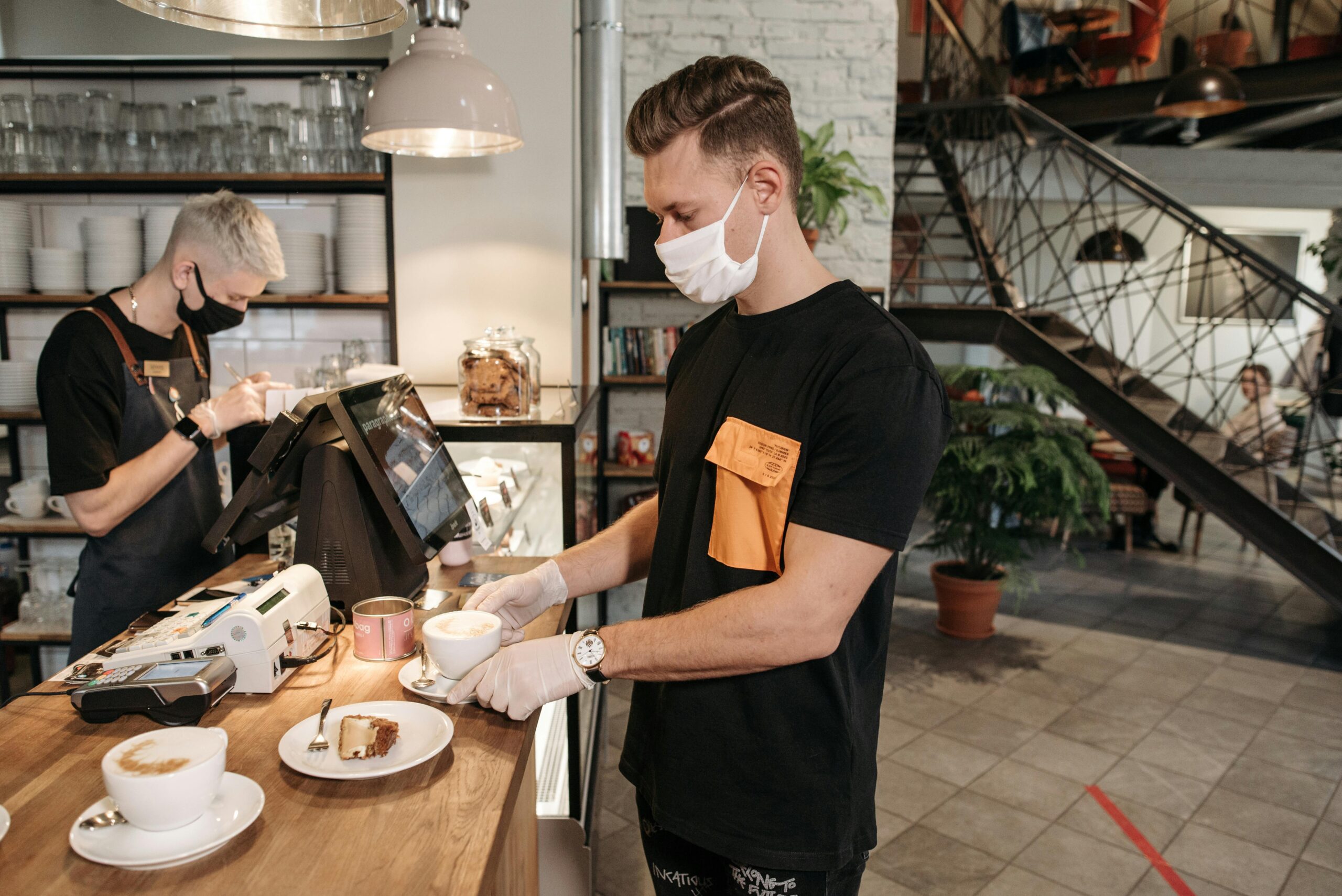
Hand hygiene becomes exponentially more important in space. Astronauts clean their hands before food preparation and consumption using either waterless cleansing foam or antimicrobial wipes. The waterless foam contains cleansing agents that don’t require rinsing, conserving precious water resources while maintaining hygiene standards.
Illness aboard a spacecraft creates serious complications, as medical evacuation remains impossible during most mission phases. Preventive hygiene measures represent the primary defense against foodborne illness outbreaks that could compromise mission success or crew safety.
Waste Management and Disposal Strategies ♻️
Every meal generates waste that must be managed carefully. Food packaging, uneaten portions, and hygiene materials require proper disposal to maintain cabin cleanliness and prevent contamination. Space stations employ systematic waste management protocols that segregate different waste types for appropriate handling.
Compaction and Storage Systems
Waste compaction reduces volume, maximizing storage efficiency until disposal opportunities arise. Dedicated waste compartments seal odors and contain potential contaminants. When resupply vehicles depart the station, they carry accumulated waste, burning up safely during atmospheric reentry.
Future long-duration missions, particularly those to Mars, will require closed-loop waste recycling systems more advanced than current technology. Research continues into converting food waste into fertilizer for crop growth systems, creating truly sustainable life support ecosystems.
Temperature Control and Food Storage Excellence ❄️
Maintaining appropriate storage temperatures prevents spoilage and pathogenic growth. Space stations feature refrigeration and freezer units specially designed for microgravity operation, though their capacity remains limited compared to terrestrial facilities.
Thermal Management Challenges
Without convection, heat transfer in microgravity occurs only through conduction and radiation. Refrigeration systems must account for these limitations, using forced air circulation to distribute cooling evenly. Temperature monitoring systems track multiple zones, ensuring stored items remain within safe ranges.
The majority of space food requires no refrigeration, having been processed for shelf stability. This characteristic reduces power consumption and frees limited cold storage for medications, experiments, and occasional fresh food items delivered during resupply missions.
🌱 Future Innovations: Growing Food in Space
Long-duration missions beyond low Earth orbit will require fresh food production capabilities. Growing plants in microgravity presents unique challenges, but successful experiments aboard the ISS have demonstrated feasibility. The “Veggie” and “Advanced Plant Habitat” systems have produced lettuce, radishes, peppers, and other crops.
Hydroponic and Aeroponic Systems
Traditional soil-based agriculture doesn’t work in microgravity—soil particles would float freely, creating hazards. Instead, space agriculture employs hydroponic or aeroponic systems that deliver water and nutrients directly to root systems. These closed systems prevent moisture escape while providing optimal growing conditions.
Fresh vegetables provide psychological benefits alongside nutritional value. The color, texture, and flavor of freshly harvested produce boost crew morale during extended missions. Additionally, tending plants provides therapeutic activity that helps astronauts manage stress.
Ensuring Safety of Space-Grown Produce
Plants grown aboard spacecraft require the same food safety scrutiny as terrestrial crops. Microbial testing verifies that produce is safe for consumption before crew members harvest and eat it. Research continues into optimizing growing conditions that maximize nutritional content while minimizing contamination risks.
Training and Protocols: The Human Element of Space Food Safety 👨🚀
Technology alone cannot ensure food and water safety—properly trained personnel must implement protocols consistently. Astronaut training includes extensive instruction in space food handling, emphasizing why each protocol exists and what risks improper procedures create.
Simulation and Practice
Before launch, astronauts practice food preparation in simulated microgravity environments, including underwater training and parabolic flights. These experiences build muscle memory and intuitive understanding of how food behaves when weightless. Regular refresher training aboard the station maintains competency throughout long missions.
Mission control monitors food safety compliance, providing guidance when questions arise. Ground-based specialists can review video of food preparation procedures, offering feedback that improves safety practices. This collaborative approach leverages expertise from both space and Earth-based team members.
Lessons from Space: Terrestrial Applications of Space Food Technology 🌍
Innovations developed for space food safety have revolutionized terrestrial food systems. Freeze-drying technology, now commonplace in outdoor recreation and emergency preparedness, originated from space program requirements. Similarly, water purification advances initially designed for spacecraft now provide clean water in disaster zones and remote communities.
The rigorous food safety protocols demanded by space environments have influenced industrial food processing standards worldwide. HACCP (Hazard Analysis and Critical Control Points) systems, now mandatory in many food industries, trace their development partly to NASA’s spacecraft food safety requirements.
🚀 The Deliciously Safe Future of Space Dining
As humanity prepares for missions to the Moon, Mars, and beyond, food and water safety systems will continue evolving. Research into 3D food printing promises customized nutrition optimized for individual astronaut needs. Bioregenerative life support systems may eventually provide completely self-sustaining food production for permanent space settlements.
The challenges of feeding astronauts safely have driven innovations benefiting people on Earth while enabling humanity’s expansion into space. Every meal consumed aboard the International Space Station represents triumph over the hostile environment of space, achieved through meticulous engineering, rigorous protocols, and human ingenuity.
Understanding and implementing proper food and water handling safety in microgravity isn’t merely about preventing illness—it’s about enabling human beings to thrive in environments fundamentally different from those our species evolved within. As we venture farther from Earth, these systems become increasingly critical, literally supporting life as we reach for the stars.
The journey from squeezed aluminum tubes to fresh salads grown in orbit demonstrates remarkable progress. Future space travelers will benefit from continued innovation, ensuring that wherever humans go, we can eat safely and well. Zero gravity need not mean zero flavor or zero safety—mastering microgravity food handling creates deliciously safe space experiences that nourish both body and spirit during humanity’s greatest adventures.