As humanity ventures deeper into space, the challenge of keeping astronauts safe in zero gravity environments has become paramount, demanding revolutionary approaches to movement control and protective restraint systems.

🚀 The Unique Challenges of Zero Gravity Environments
Space travel presents unprecedented safety challenges that Earth-bound engineers never anticipated. In microgravity, the human body behaves in fundamentally different ways, and traditional safety mechanisms simply don’t apply. Without gravity’s stabilizing force, astronauts can’t rely on natural orientation cues, and uncontrolled movement becomes a serious hazard.
The absence of gravitational pull means that even the slightest push can send a person floating across a cabin, potentially colliding with critical equipment or sharp edges. This reality has driven space agencies and private companies to develop sophisticated restraint and movement systems that protect crew members while allowing them to perform complex tasks efficiently.
Modern spacecraft designers must account for emergency situations where rapid movement is necessary, yet uncontrolled motion could prove fatal. The balance between mobility and security represents one of the most critical engineering challenges in contemporary space exploration.
Evolution of Movement Control Systems in Space
The history of space travel reveals a fascinating evolution in how we approach movement safety. Early astronauts in the Mercury and Gemini programs had minimal mobility, essentially strapped into their seats for entire missions. This approach prioritized safety through restriction, but severely limited operational capabilities.
The Apollo missions introduced more sophisticated tethering systems, allowing astronauts limited freedom during spacewalks while maintaining critical safety connections. These early restraint systems, though primitive by today’s standards, established fundamental principles still used in modern design.
Skylab and the Space Shuttle programs marked significant advancements, introducing foot restraints, handrails, and body restraint systems that enabled astronauts to work effectively while maintaining positional control. These innovations demonstrated that freedom of movement and safety weren’t mutually exclusive concepts.
Contemporary Restraint Technologies on the International Space Station
The International Space Station represents the pinnacle of current zero gravity safety design. Its comprehensive restraint system includes multiple layers of protection, from simple foot loops to sophisticated workstation restraints that secure astronauts during precision tasks.
ISS crew members utilize portable foot restraints that can be positioned throughout the station, providing stable working platforms for repairs, experiments, and routine maintenance. These devices incorporate quick-release mechanisms that allow rapid evacuation during emergencies while preventing accidental dislodgement during normal operations.
Sleeping quarters feature specialized restraints that keep astronauts secured in their sleep stations, preventing them from floating into equipment or blocking critical pathways during rest periods. These systems must balance comfort with security, allowing natural movement while preventing dangerous drifting.
🛡️ Advanced Materials Revolutionizing Space Safety
Material science breakthroughs have transformed zero gravity restraint design. Modern systems incorporate smart textiles that adjust tension automatically based on movement intensity, providing gentle restraint during routine activities while tightening during rapid acceleration or emergency situations.
Memory foam derivatives adapted for space use conform to body contours, distributing pressure evenly to prevent the bruising and discomfort that plagued earlier restraint systems. These materials maintain their properties across the extreme temperature ranges encountered in spacecraft environments.
Advanced polymers with variable rigidity allow restraint systems to function as both flexible movement aids and rigid protective structures. When electrical current passes through these materials, they can transition from soft and pliable to rigid and supportive within milliseconds.
Intelligent Restraint Systems with Active Monitoring
Modern spacecraft increasingly incorporate intelligent restraint systems that monitor astronaut positioning and physiological data in real-time. These systems use sensors embedded in restraint points to track stress loads, body position, and movement patterns.
Artificial intelligence algorithms analyze this data to predict potentially dangerous situations before they occur. If the system detects unusual movement patterns or identifies potential collision trajectories, it can alert crew members or automatically engage additional restraint mechanisms.
These intelligent systems also adapt to individual astronauts, learning their movement patterns and adjusting restraint tension accordingly. A crew member who moves more vigorously receives firmer support, while those who work with more controlled motions experience lighter restraint forces.
Emergency Response: Rapid Restraint Deployment Systems
Emergency situations in space demand instant response capabilities. Modern spacecraft feature rapid deployment restraint systems that can secure crew members within seconds when critical situations arise. These systems activate automatically during detected emergencies such as rapid decompression, fire, or collision warnings.
Magnetic restraint systems represent one innovative approach, using controllable electromagnetic fields to guide metallic elements in astronaut suits toward designated safe zones. During emergencies, these fields intensify, essentially pulling crew members to protected areas without requiring conscious navigation.
Inflatable restraint systems, similar to automotive airbags but adapted for zero gravity, can deploy around astronauts to cushion impacts and prevent harmful collisions during violent spacecraft movements. These systems use sensors to detect abnormal acceleration patterns and deploy protective barriers within milliseconds.
Evacuation Protocols and Movement Coordination
Coordinating multiple crew members’ movements during evacuations presents unique challenges in zero gravity. Without the natural flow patterns that gravity creates, astronauts can easily block escape routes or collide with teammates during emergency egress.
Advanced movement coordination systems use visual indicators—colored lighting paths and directional arrows—projected onto spacecraft surfaces to guide crew members along predetermined evacuation routes. These systems account for the positions of all personnel, directing traffic to prevent bottlenecks at critical junctures.
Some experimental systems incorporate haptic feedback through suit interfaces, providing physical cues that guide astronauts toward safety even in zero-visibility conditions caused by smoke or electrical failures. Gentle vibrations indicate correct directional movement, while stronger pulses warn of obstacles or wrong turns.
🔬 Biomechanical Considerations in Restraint Design
Understanding human biomechanics in microgravity has profoundly influenced restraint system design. The human body elongates in space as the spine stretches without gravitational compression, requiring adjustable restraints that accommodate these dimensional changes.
Prolonged space exposure causes muscle atrophy and bone density loss, making astronauts more vulnerable to injury from improperly designed restraints. Modern systems distribute forces across larger body areas, avoiding concentrated pressure points that could cause fractures or tissue damage in weakened bodies.
Cardiovascular changes in microgravity affect how blood pools in the body, influencing consciousness and reaction time. Restraint systems now incorporate features that promote healthy circulation, preventing the lightheadedness that could impair decision-making during critical moments.
Psychological Factors in Restraint System Acceptance
Even the most technologically advanced restraint system fails if crew members won’t use it consistently. Psychological research has revealed that astronauts resist systems they perceive as confining or that interfere with their sense of agency.
Contemporary designs emphasize user control, allowing astronauts to adjust restraint levels based on task requirements and personal preference within safe parameters. This autonomy increases compliance while maintaining necessary safety standards.
Transparent safety systems—those that clearly communicate their purpose and operation—receive higher acceptance rates than “black box” systems whose functioning remains mysterious to users. Modern interfaces provide clear feedback about restraint status and the specific protections currently active.
Innovations in Spacewalk Mobility and Safety
Extravehicular activities represent the most hazardous aspect of space travel, where movement control becomes literally a matter of life and death. Modern spacesuit design integrates multiple redundant restraint and navigation systems to prevent astronauts from drifting away from spacecraft.
The Simplified Aid for EVA Rescue (SAFER) system provides emergency propulsion, allowing spacewalkers to return to safety if tether systems fail. This jetpack-like device uses nitrogen gas thrusters controlled by hand controllers, giving astronauts precise movement capability during emergencies.
Advanced tethering systems now incorporate dynamic tension management, automatically adjusting tether length and resistance based on task requirements. These intelligent tethers prevent the tangling that plagued earlier designs while providing secure connection to the spacecraft.
Next-Generation Spacesuit Mobility Enhancements
NASA’s Exploration Extravehicular Mobility Unit (xEMU) and similar advanced spacesuits incorporate revolutionary mobility features that enhance both capability and safety. Improved joint designs allow greater range of motion while maintaining pressure integrity, reducing fatigue and improving precision during complex tasks.
Integrated heads-up displays provide real-time navigation assistance, showing astronauts their position relative to the spacecraft and highlighting safe handholds along planned routes. Augmented reality overlays can identify hazards and suggest optimal movement paths for specific tasks.
Self-healing materials in suit exteriors automatically seal small punctures, buying crucial time during micrometeorite strikes or accidental contact with sharp edges. These materials use chemical reactions triggered by pressure loss to form solid plugs within damaged areas.
⚡ Power-Assisted Movement Systems
Robotic assistance has transformed how astronauts navigate zero gravity environments. Powered mobility units provide controlled propulsion for moving heavy equipment and enable rapid transit across large spacecraft interiors or exterior surfaces.
Exoskeleton systems adapted for microgravity amplify astronaut strength without adding dangerous momentum. These devices use sophisticated control algorithms that prevent over-correction—a common problem when powered assistance is applied in environments lacking gravitational damping.
Magnetic boots, once science fiction staples, have found practical application in modern spacecraft with ferromagnetic flooring panels. Contemporary versions offer variable magnetic strength, providing stable footing when needed while releasing instantly for rapid movement.
Training Systems and Movement Skill Development
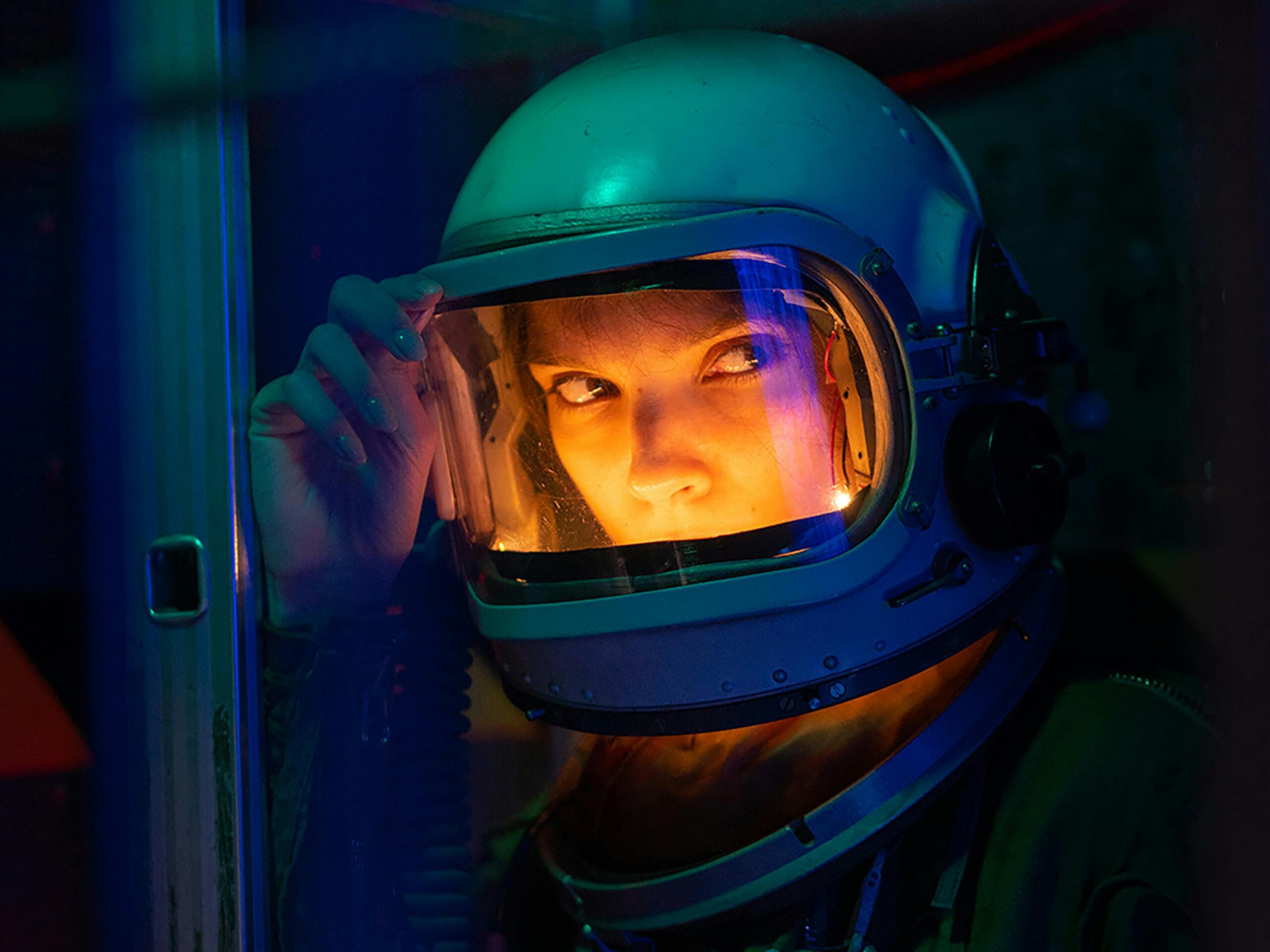
Effective use of zero gravity safety systems requires extensive training. Modern astronaut preparation includes virtual reality simulations that replicate microgravity movement physics, allowing crew members to develop muscle memory for restraint system operation before entering space.
Neutral buoyancy facilities, where astronauts train underwater, provide approximate zero gravity conditions for practicing movement techniques and emergency procedures. While not perfect analogs, these environments allow repetitive practice of critical skills in relatively safe settings.
Parabolic flight training exposes astronauts to brief periods of actual weightlessness, allowing them to experience authentic zero gravity movement challenges. These flights test both individual competency and team coordination under realistic conditions.
🌟 Future Directions in Zero Gravity Safety
Emerging technologies promise even more sophisticated approaches to movement control and safety in space. Researchers are developing neural interface systems that could allow direct brain-control of restraint mechanisms, enabling instantaneous response to conscious intent or even subconscious threat detection.
Swarm robotics concepts envision clouds of tiny autonomous drones that could physically guide or restrain astronauts during emergencies, acting as distributed safety systems that adapt to dynamic situations. These robotic assistants could form temporary barriers, provide propulsion assistance, or even create artificial “gravity” through coordinated pushing.
Advanced materials research continues exploring programmable matter that could reconfigure spacecraft interiors on demand, creating custom restraint configurations optimized for specific tasks or emergency scenarios. Such adaptive environments could essentially eliminate the distinction between structure and safety system.
Commercial Space Travel Safety Implications
As space tourism becomes reality, restraint and movement systems must accommodate untrained civilians who lack astronauts’ extensive preparation. Commercial spacecraft incorporate more automated safety systems that protect passengers with minimal required input or skill.
Simplified control interfaces and passive restraint systems that engage automatically provide protection without requiring complex training. These systems must balance comprehensive safety with the experiential freedom that space tourists seek.
Regulatory frameworks are evolving to establish safety standards for commercial space operations, drawing lessons from decades of government space program experience while acknowledging the unique requirements of tourism and private spaceflight ventures.
Integrating Safety Without Sacrificing Performance
The ultimate goal of zero gravity safety innovation is creating systems so seamlessly integrated that they enhance rather than impede operations. Modern design philosophy emphasizes that effective safety mechanisms should feel like natural extensions of human capability rather than external impositions.
This approach requires ongoing collaboration between engineers, astronauts, psychologists, and medical professionals, ensuring that technical solutions address real operational needs while accounting for human factors. The most successful systems emerge from iterative design processes incorporating extensive user feedback.
As humanity’s presence in space expands beyond low Earth orbit to lunar bases, Mars missions, and eventually interstellar travel, the innovations in movement control and restraint design developed today will form the foundation for keeping future generations of space explorers safe. These systems represent not just technical achievements but fundamental enablers of humanity’s cosmic destiny.
The continuing evolution of zero gravity safety technology demonstrates our species’ remarkable ability to adapt to alien environments through ingenuity and careful engineering. Each innovation builds upon previous lessons learned, creating ever more sophisticated protection systems that allow astronauts to work confidently in one of the most hostile environments imaginable. As we push further into the final frontier, these advances in movement control and restraint design will prove essential to transforming space from a dangerous void into humanity’s next home.