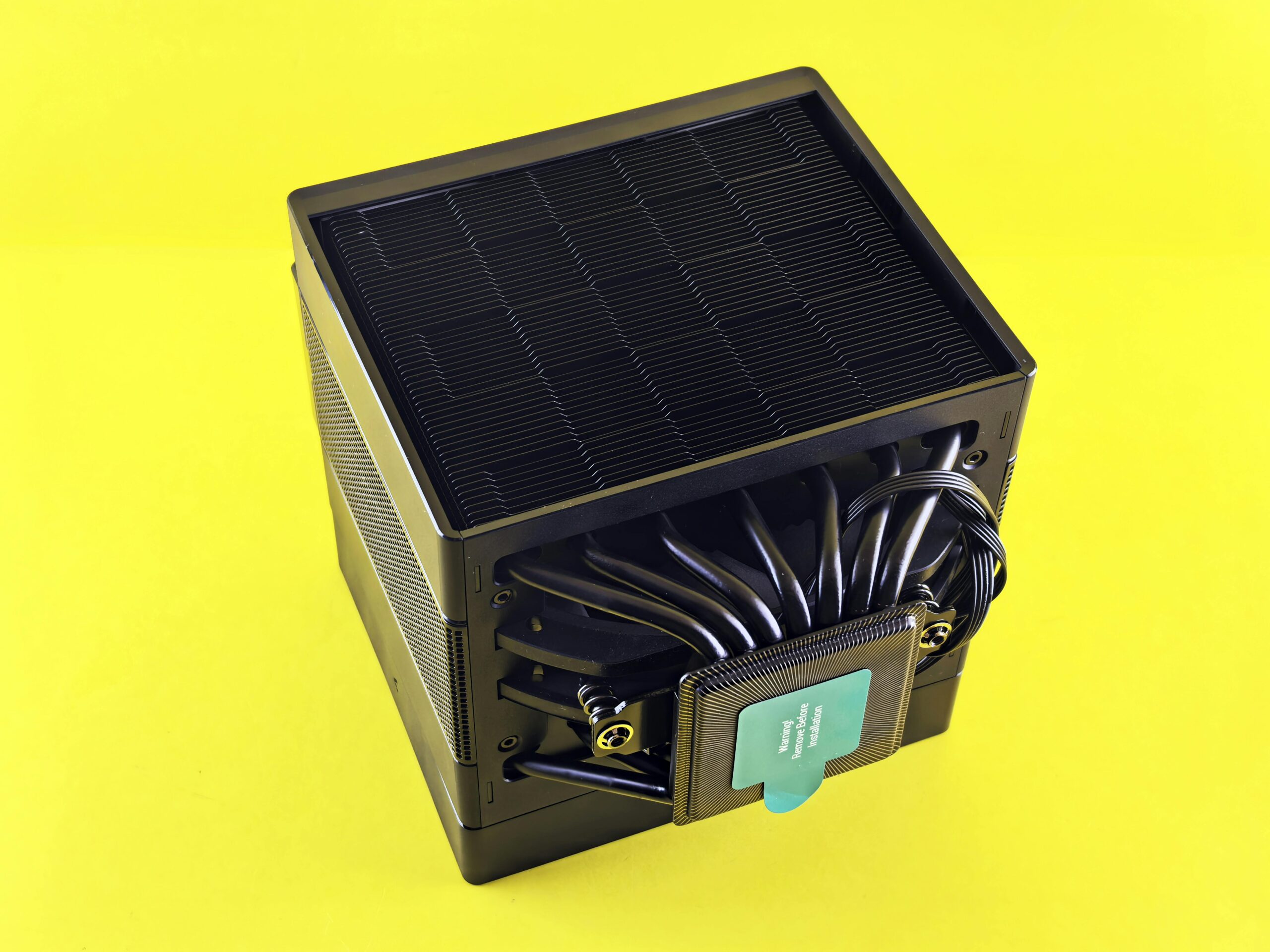
Understanding how temperature and humidity interact to shape your indoor comfort is essential for creating a healthier, more pleasant living environment every day. 🏠

When you walk into a room and immediately feel uncomfortable, you might instinctively blame the temperature. However, the reality is far more complex. Your perception of indoor comfort isn’t determined by temperature alone—it’s a sophisticated interplay between heat, moisture in the air, air movement, and even your personal physiology. Creating the perfect indoor environment requires understanding these variables and how they work together to influence your body’s thermal regulation system.
Indoor comfort optimization has become increasingly important as we spend approximately 90% of our time indoors, according to environmental health studies. Whether you’re working from home, relaxing after a long day, or trying to get quality sleep, the atmospheric conditions surrounding you significantly affect your productivity, health, and overall well-being. Let’s explore the science behind thermal comfort and discover practical strategies to optimize your indoor environment.
The Science Behind Thermal Comfort 🌡️
Thermal comfort is the condition of mind that expresses satisfaction with the surrounding thermal environment. This seemingly simple definition masks a complex biological and physical process. Your body constantly works to maintain a core temperature of approximately 37°C (98.6°F), and it uses various mechanisms to achieve this balance.
When your body produces heat through metabolic processes, it must dissipate excess heat to prevent overheating. This happens through four main mechanisms: conduction, convection, radiation, and evaporation. The effectiveness of each mechanism depends heavily on environmental conditions, particularly temperature and humidity levels.
The human thermoregulatory system is remarkably sophisticated. Thermoreceptors in your skin send continuous signals to your hypothalamus, which acts as your body’s thermostat. When conditions deviate from your comfort zone, your body responds with physiological adjustments—sweating when too hot, shivering when too cold. However, these responses consume energy and can lead to discomfort, fatigue, and decreased cognitive performance.
Temperature: The Primary Comfort Variable
Temperature is the most obvious factor affecting indoor comfort, but optimal temperature isn’t a universal number. Research suggests that most people feel comfortable between 20°C and 24°C (68°F to 75°F), but individual preferences vary based on multiple factors including age, gender, clothing, activity level, and acclimatization.
Metabolic rates differ among individuals, which explains why some people feel cold in rooms where others feel warm. Men typically have higher metabolic rates than women, leading to different temperature preferences. Similarly, older adults often prefer warmer environments due to decreased metabolic rates and reduced circulation.
The concept of “operative temperature” is crucial for understanding true thermal comfort. This measure combines air temperature with radiant temperature (heat from surfaces like walls, windows, and floors). A room might have an acceptable air temperature but feel uncomfortable due to cold windows radiating chill or hot walls radiating excess heat.
Seasonal Temperature Considerations
Your comfort expectations naturally shift with seasons. During summer, most people feel comfortable at slightly higher temperatures (23°C to 26°C or 73°F to 79°F) compared to winter preferences (20°C to 23°C or 68°F to 73°F). This phenomenon, called thermal adaptation, reflects both physiological acclimatization and psychological expectations.
Maintaining consistent year-round temperatures might seem ideal, but some research suggests moderate thermal variability can improve metabolic health and comfort adaptation. Exposing your body to slightly varied temperatures may strengthen your thermoregulatory system over time.
Humidity: The Hidden Comfort Factor 💧
While temperature gets most attention, humidity often plays an equally important role in comfort perception. Relative humidity measures the amount of water vapor in air as a percentage of the maximum amount that air could hold at that temperature. This percentage dramatically affects how you experience temperature.
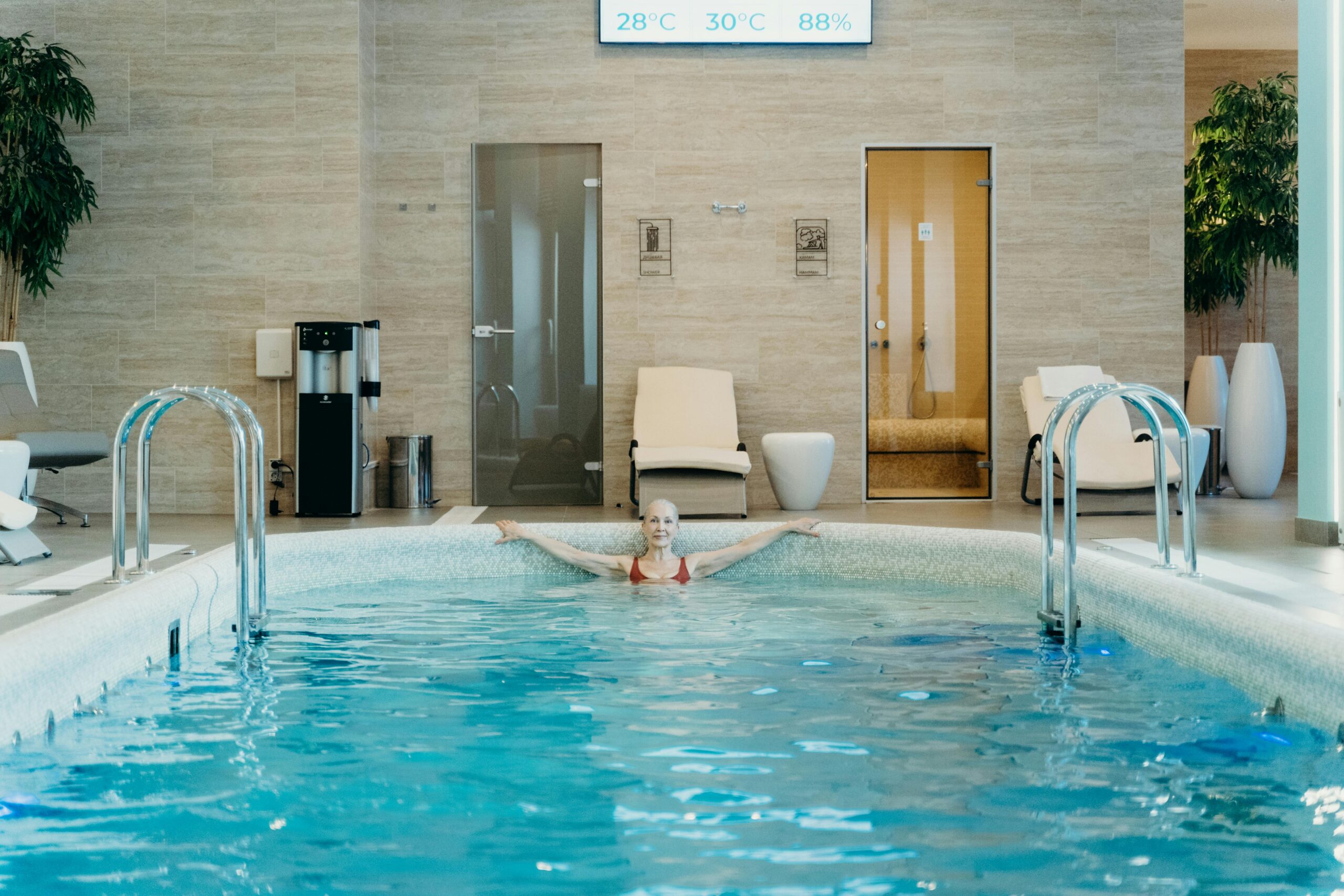
The ideal relative humidity range for human comfort typically falls between 40% and 60%. Within this range, your body can effectively regulate temperature through perspiration, respiratory function remains optimal, and mucous membranes stay properly hydrated.
Low Humidity Problems
When indoor humidity drops below 30%, several comfort and health issues emerge. Dry air allows moisture to evaporate rapidly from your skin and respiratory passages, leading to dryness, irritation, and increased susceptibility to respiratory infections. Static electricity becomes problematic, shocking you when touching metal objects or other people.
Low humidity also affects perceived temperature. Dry air facilitates rapid evaporative cooling from your skin, making rooms feel cooler than the actual temperature. This often leads people to increase heating, wasting energy while failing to address the underlying comfort issue.
High Humidity Challenges
Excessive humidity above 60% creates equally problematic conditions. When air is saturated with moisture, perspiration cannot evaporate efficiently from your skin. This impairs your primary cooling mechanism, making you feel hot and sticky even at moderate temperatures.
High humidity environments feel oppressive because your body struggles to dissipate heat. A room at 24°C (75°F) with 70% humidity feels significantly warmer than the same temperature at 45% humidity. This explains why tropical climates feel so uncomfortable despite temperatures that would be pleasant in drier conditions.
Beyond comfort, high humidity promotes mold growth, dust mite proliferation, and building material degradation. These factors contribute to poor indoor air quality and potential health problems, particularly for individuals with allergies or asthma.
The Temperature-Humidity Relationship ⚖️
Temperature and humidity don’t operate independently—they interact in ways that significantly impact comfort perception. The heat index or “apparent temperature” quantifies this relationship, showing how hot it actually feels when humidity is factored into the equation.
At higher temperatures, humidity’s impact becomes more pronounced. A temperature of 27°C (80°F) with 30% humidity feels comfortable for most people, but the same temperature at 70% humidity feels oppressively hot. This relationship explains why air conditioning systems that only cool air without controlling humidity often leave occupants feeling clammy and uncomfortable.
Understanding the psychrometric chart—a tool that maps the relationship between temperature, humidity, and other air properties—can help you identify your optimal comfort zone. These charts reveal that maintaining comfort during hot weather requires lowering either temperature, humidity, or both.
Monitoring Your Indoor Environment 📱
Creating optimal indoor comfort starts with understanding your current conditions. Digital thermometers and hygrometers provide accurate real-time measurements of temperature and humidity. Many modern devices offer smartphone connectivity, historical data tracking, and alerts when conditions move outside your preferred range.
Smart home systems integrate environmental monitoring with automated control, adjusting heating, cooling, humidification, and dehumidification to maintain preset comfort parameters. These systems learn your preferences over time and can make predictive adjustments based on weather forecasts and occupancy patterns.
For those seeking comprehensive environmental monitoring, several smartphone apps work with external sensors to provide detailed insights into your indoor climate. These applications can track long-term trends, identify problem areas, and help you correlate environmental conditions with comfort perceptions and health symptoms.
Practical Strategies for Optimizing Comfort 🛠️
Armed with understanding of how temperature and humidity affect comfort, you can implement practical strategies to optimize your indoor environment throughout the year.
Heating Season Optimization
During winter, heating systems dry indoor air significantly. Maintaining adequate humidity (40-50%) while heating requires intentional humidification. Central humidifiers integrated with forced-air systems provide whole-house solutions, while portable humidifiers work well for individual rooms.
Avoid over-humidifying, as excessive moisture can condense on cold windows and walls, potentially causing mold growth. Monitor humidity levels regularly and adjust humidification accordingly. Setting your thermostat to 20-22°C (68-72°F) with proper humidity feels comfortable while conserving energy.
Cooling Season Strategies
Summer comfort challenges often stem from inadequate dehumidification. Air conditioners remove some moisture as a byproduct of cooling, but in humid climates, dedicated dehumidification may be necessary. Properly sized AC systems run long enough to remove moisture effectively, while oversized systems cool quickly without adequate dehumidification.
Ventilation plays a crucial role in moisture control. Exhaust fans in bathrooms and kitchens should vent outdoors, not into attics or crawl spaces. Running these fans during and after moisture-generating activities prevents humidity spikes that compromise comfort.
Year-Round Comfort Tips
- Use ceiling fans to improve air circulation, enhancing evaporative cooling without changing temperature
- Maintain HVAC systems regularly to ensure efficient temperature and humidity control
- Seal air leaks that allow unconditioned outdoor air to infiltrate your home
- Use window treatments strategically to block solar heat gain in summer and retain heat in winter
- Consider zoned HVAC systems for personalized comfort in different rooms
- Adjust clothing and bedding seasonally rather than relying solely on environmental control
- Monitor indoor plants, as they release moisture that can affect humidity levels
Special Considerations for Sleep Quality 😴
Optimal sleep requires specific environmental conditions that differ from daytime comfort preferences. Research consistently shows that cooler bedroom temperatures between 16°C and 19°C (60°F to 67°F) promote better sleep quality. Your body’s core temperature naturally drops during sleep initiation, and a cool environment facilitates this process.
Humidity remains important for sleep comfort, with the 40-60% range still ideal. Too-dry air irritates airways and causes nighttime awakenings, while excessive humidity creates a stuffy, uncomfortable sleeping environment. Many people find that slight humidity toward the middle of the range (around 50%) optimizes respiratory comfort during sleep.
Investing in bedroom-specific environmental control—whether through programmable thermostats, portable AC units, or humidifiers/dehumidifiers—can significantly improve sleep quality and, by extension, overall health and daytime performance.
Health Implications of Poor Climate Control 🏥
Suboptimal temperature and humidity levels extend beyond mere discomfort, affecting health in measurable ways. Extremely cold environments stress cardiovascular systems, particularly in vulnerable populations. Conversely, heat stress impairs cognitive function, reduces productivity, and can lead to serious conditions like heat exhaustion in extreme cases.
Humidity extremes create distinct health challenges. Low humidity dries mucous membranes, reducing their effectiveness as barriers against pathogens and increasing susceptibility to respiratory infections. Dry air also aggravates skin conditions like eczema and contributes to eye irritation, particularly for contact lens wearers.
High humidity encourages biological pollutants including mold, bacteria, and dust mites—all significant triggers for allergies and asthma. Children and elderly individuals are particularly vulnerable to climate-related health effects, making proper environmental control especially important in homes with these populations.
Energy Efficiency and Comfort Balance ♻️
Achieving optimal comfort doesn’t require excessive energy consumption. Strategic approaches can maintain excellent indoor conditions while minimizing environmental impact and utility costs. Understanding the relationship between setpoint temperatures, humidity control, and energy use enables informed decision-making.
Each degree of heating adjustment represents approximately 3-5% change in energy consumption. Lowering winter thermostats slightly while maintaining adequate humidity, and using appropriate clothing, can substantially reduce heating costs without sacrificing comfort. Similarly, raising summer cooling setpoints while ensuring proper dehumidification maintains comfort efficiently.
Programmable and smart thermostats optimize comfort and efficiency by adjusting conditions based on occupancy and time of day. Reducing heating/cooling when spaces are unoccupied conserves energy without affecting perceived comfort, as there’s no one present to experience the temporary deviation.
Creating Your Personal Comfort Profile 👤
Individual comfort preferences vary significantly based on numerous factors. Creating your personal comfort profile involves systematic experimentation to identify your ideal conditions. Keep a comfort journal noting temperature, humidity, and subjective comfort ratings under various conditions.
Pay attention to factors beyond temperature and humidity that influence comfort perception: air movement from fans or ventilation, radiant heat from sunlight or appliances, your activity level, and clothing choices. Understanding these variables helps you manipulate your environment more effectively.
Consider metabolic differences throughout the day. Many people prefer slightly cooler temperatures in morning, warmer conditions in afternoon, and cool environments for sleep. Programming your environmental controls to match these patterns optimizes comfort while potentially reducing energy consumption.
Achieving Harmony Between Climate and Comfort 🎯
Mastering indoor comfort requires recognizing that temperature and humidity work synergistically to create your perceived environment. Neither factor alone tells the complete story—their interaction determines whether you feel comfortable, and by extension, how well you sleep, work, and live.
Investing in proper monitoring equipment provides the data foundation for informed environmental management. Understanding your personal comfort preferences, combined with knowledge of how temperature and humidity interact, empowers you to create spaces that support health, productivity, and well-being.
The most effective comfort strategies balance multiple approaches: appropriate HVAC equipment properly maintained and operated, adequate insulation and air sealing, strategic ventilation, and smart use of supplementary devices like fans, humidifiers, and dehumidifiers. This comprehensive approach addresses comfort holistically rather than relying on any single solution.
Remember that perfect comfort isn’t about maintaining rigidly constant conditions, but rather creating environments that support your body’s natural thermoregulation within healthy parameters. Some thermal variability can actually improve your adaptive capacity while reducing energy consumption. The goal is finding your optimal balance—that sweet spot where temperature and humidity work together to make you feel just right, whether you’re working, relaxing, or sleeping.
By applying the principles and strategies outlined here, you can transform your indoor spaces into havens of comfort that support your health, enhance your productivity, and improve your quality of life. The investment in understanding and optimizing your indoor climate pays dividends every single day, in every room, making your home truly feel like the comfortable sanctuary it should be. 🏡