
Real-time sensor networks are revolutionizing how we experience comfort in our homes, workplaces, and public spaces by continuously monitoring environmental conditions.

Imagine walking into a room where the temperature automatically adjusts to your preference, the lighting shifts to match your circadian rhythm, and the air quality is constantly optimized without you lifting a finger. This isn’t science fiction—it’s the reality that real-time sensor networks are creating today. As our lives become increasingly connected through the Internet of Things (IoT), these intelligent systems are transforming comfort from a manual adjustment into an automated, personalized experience.
The concept of staying cozy has evolved dramatically from simply turning up the thermostat or closing the blinds. Modern comfort involves a complex interplay of temperature, humidity, air quality, lighting, sound, and even subtle factors like air pressure. Real-time sensor networks provide the technological backbone needed to monitor, analyze, and respond to all these variables simultaneously, creating environments that adapt to our needs before we even realize we have them.
🌡️ The Science Behind Comfort Sensing
Understanding what makes us comfortable requires sophisticated measurement systems that go far beyond traditional thermostats. Real-time sensor networks deploy multiple sensing points throughout a space, gathering data on numerous environmental parameters that collectively determine our perception of comfort.
Temperature sensors form the foundation of any comfort-focused network, but modern systems measure far more than a single reading. They track temperature gradients across different zones, identifying hot and cold spots that might cause discomfort. Humidity sensors work in tandem, since perceived temperature varies significantly based on moisture content in the air—70°F feels vastly different at 30% humidity versus 80% humidity.
Air quality sensors have become increasingly sophisticated, detecting particulate matter (PM2.5 and PM10), volatile organic compounds (VOCs), carbon dioxide levels, and even specific allergens. These measurements directly impact not just comfort but health and productivity. Studies show that cognitive function decreases when CO2 levels exceed 1000 ppm, making air quality monitoring essential for spaces where people work or study.
The Multi-Sensory Approach to Wellness
Light sensors measure both intensity and color temperature, enabling systems to adjust artificial lighting to complement natural daylight patterns. This supports our circadian rhythms, improving sleep quality and overall wellbeing. Sound level monitors detect excessive noise that might disturb concentration or relaxation, triggering responses like adjusting HVAC fan speeds or activating noise-canceling systems.
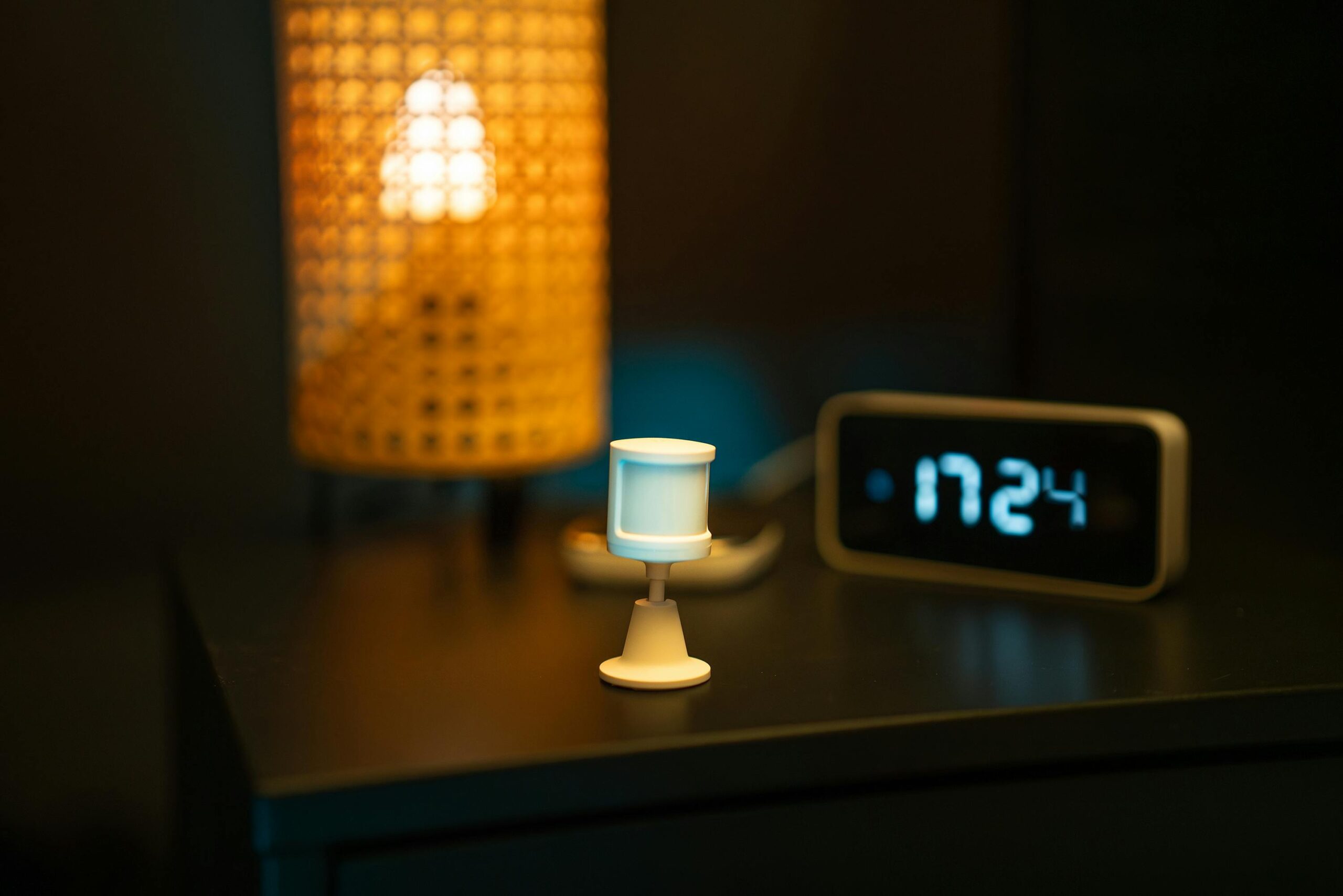
Occupancy sensors add another critical dimension by detecting human presence and activity levels. Modern versions use passive infrared (PIR), ultrasonic, or even CO2-based detection to determine not just whether someone is present, but how many people and what they’re doing—sitting quietly versus exercising, for instance.
🏠 Smart Home Integration: Your Personal Comfort Zone
The residential sector has embraced real-time sensor networks enthusiastically, with smart home technology becoming increasingly accessible and sophisticated. These systems transform houses into responsive environments that learn from inhabitant behavior and preferences over time.
Modern smart thermostats serve as the central hub for many comfort-focused sensor networks. They connect to temperature sensors in multiple rooms, learning occupancy patterns and adjusting heating and cooling proactively. Rather than maintaining a constant temperature throughout the home, zone-based systems keep bedrooms cooler for sleeping while maintaining warmer temperatures in living areas during waking hours.
Integration with weather data adds predictive capabilities. The system knows when a cold front is approaching and pre-heats the home, or recognizes sunny afternoons that will naturally warm south-facing rooms, reducing unnecessary heating. This intelligence translates directly into energy savings—studies indicate smart thermostats reduce heating and cooling costs by 10-23% on average.
Beyond Temperature: Holistic Home Comfort
Smart blinds and window treatments respond to light sensors and solar heat gain calculations, automatically adjusting throughout the day to maintain optimal brightness while minimizing unwanted heat. During summer afternoons, they close on sun-facing windows while remaining open on shaded sides to preserve views and natural light.
Air purifiers equipped with quality sensors activate automatically when pollutant levels rise, whether from cooking, cleaning products, or external sources like wildfire smoke or pollen. Some advanced systems pre-filter incoming air when outdoor sensors detect poor air quality approaching, maintaining healthy indoor environments even during pollution events.
Humidifiers and dehumidifiers connected to moisture sensors maintain ideal humidity ranges between 40-60%, preventing the dryness that causes respiratory irritation in winter and the excessive moisture that promotes mold growth in humid climates. This automated regulation protects both health and home integrity.
💼 Workplace Comfort: Boosting Productivity Through Environmental Control
Office environments present unique comfort challenges due to diverse occupant preferences, varying activity levels, and different space functions. Real-time sensor networks address these complexities by creating micro-climates within larger buildings and providing data-driven insights into workspace optimization.
Modern office buildings deploy dense sensor arrays—often one sensing node for every 200-400 square feet—creating granular environmental maps. These systems identify problematic areas where employees consistently report discomfort, enabling facilities managers to address specific issues rather than adjusting entire floor settings.
Desk-level sensors represent the frontier of personalized workplace comfort. Individual workstations equipped with temperature, air quality, and light sensors can adjust local conditions through personal fans, task lighting, or directed airflow. This addresses the perennial office temperature debate by allowing personalized comfort without affecting neighbors.
Data-Driven Space Utilization
Occupancy data from sensor networks reveals actual space usage patterns, often surprising compared to planned allocations. Organizations discover which conference rooms remain perpetually booked but rarely used, which collaborative spaces are overcrowded, and when office density peaks. This intelligence informs smarter real estate decisions and space redesigns that improve both comfort and efficiency.
Meeting rooms benefit particularly from sensor integration. CO2 monitors detect when air quality deteriorates due to too many people in a confined space, automatically increasing ventilation. Temperature adjusts based on actual occupancy rather than scheduled reservations, conserving energy when rooms remain empty despite being booked.
🏥 Healthcare Settings: Comfort as Treatment
In healthcare facilities, environmental comfort directly impacts patient outcomes, making real-time sensor networks not just a convenience but a therapeutic tool. Research consistently demonstrates that proper temperature, air quality, noise levels, and lighting accelerate healing and improve patient satisfaction scores.
Patient rooms equipped with comprehensive sensor networks allow individualized environmental control. Temperature and humidity adjust to patient preferences while maintaining infection control requirements. Lighting systems automatically dim during rest periods while providing appropriate task lighting for medical procedures, all while tracking natural circadian patterns to support sleep quality.
Air pressure monitoring becomes critical in specialized care areas. Operating rooms maintain positive pressure to prevent contamination, while isolation rooms for infectious diseases maintain negative pressure to contain pathogens. Real-time sensors continuously verify these pressure differentials, alerting staff immediately if systems malfunction.
Noise Reduction for Healing Environments
Hospital noise levels frequently exceed WHO recommendations, disrupting patient rest and recovery. Sound level sensors identify problem areas and excessive noise sources—whether from equipment alarms, staff conversations, or mechanical systems. This data drives targeted interventions like acoustic treatments, alarm management protocols, or operational changes that create quieter healing environments.
🏫 Educational Spaces: Optimizing Learning Environments
Classroom comfort directly affects student attention, information retention, and academic performance. Real-time sensor networks in educational facilities ensure environmental conditions support rather than hinder learning.
Temperature control proves particularly important as both excessive warmth and cold impair cognitive function. Studies show student test scores decline when classroom temperatures exceed 77°F or drop below 68°F. Sensor networks maintain optimal ranges while accounting for factors like body heat from 30 students versus 10, or afternoon solar gain in west-facing classrooms.
CO2 levels in classrooms frequently reach problematic levels—sometimes exceeding 2000 ppm—when ventilation proves inadequate. At these concentrations, decision-making ability, complex thinking, and information processing all deteriorate measurably. Real-time monitoring triggers increased ventilation before cognitive impacts occur, literally clearing minds for learning.
⚡ Energy Efficiency: Comfort Without Waste
One might assume enhanced comfort requires increased energy consumption, but real-time sensor networks often achieve the opposite. By providing comfort precisely when and where needed rather than conditioning entire buildings constantly, these systems dramatically reduce energy waste.
Demand-controlled ventilation exemplifies this efficiency. Traditional systems ventilate spaces at fixed rates regardless of occupancy, wasting energy conditioning empty rooms. Sensor-based systems adjust ventilation rates based on actual occupancy and measured air quality, reducing ventilation energy consumption by 20-30% while maintaining superior air quality.
Predictive algorithms leverage sensor data along with weather forecasts, occupancy schedules, and building thermal characteristics to pre-condition spaces efficiently. Rather than rapidly heating or cooling occupied spaces (an energy-intensive process), systems gradually adjust conditions before occupancy, using less energy while ensuring comfort upon arrival.
The Sustainability Connection
Buildings account for approximately 40% of global energy consumption and 30% of greenhouse gas emissions. Real-time sensor networks represent a crucial technology for reducing this environmental impact without sacrificing occupant comfort—indeed, while enhancing it. The most sophisticated systems achieve 25-30% energy reductions compared to traditional building management approaches.
These savings compound over time as machine learning algorithms continuously refine their understanding of building behavior and occupant preferences. The system that saves 25% energy in year one might achieve 30% savings by year three as its predictive models improve and inefficiencies are progressively eliminated.
🔮 Future Innovations: Where Comfort Technology Heads Next
The trajectory of real-time sensor networks points toward increasingly personalized, predictive, and integrated comfort systems. Emerging technologies promise to make today’s smart environments seem primitive by comparison.
Biometric sensors represent the next frontier—wearable devices that measure individual physiological responses like skin temperature, heart rate variability, and stress markers. These provide direct feedback about personal comfort rather than inferring it from environmental conditions. A room at 72°F might be perfect for someone at rest but too warm for someone just returning from a workout, and biometric data enables this distinction.
Artificial intelligence algorithms grow more sophisticated, moving beyond simple if-then rules to genuine predictive intelligence. These systems anticipate needs based on subtle patterns—recognizing that occupants prefer slightly warmer temperatures on cloudy days, or that a particular person always adjusts the thermostat after their morning coffee.
Integration Across Systems
Future sensor networks will integrate seamlessly with other building systems. Security cameras and access control systems provide occupancy data without dedicated sensors. Weather stations and air quality monitors contribute environmental context. Calendar systems inform occupancy predictions. This convergence creates comprehensive building intelligence that optimizes comfort, security, and efficiency simultaneously.
Voice and gesture control will enable more intuitive interaction with comfort systems. Rather than navigating smartphone apps or touching thermostats, occupants simply speak their preferences or adjust settings with hand gestures. Natural language processing understands requests like “I’m cold” and responds appropriately rather than requiring specific temperature commands.
🛠️ Implementing Your Own Comfort Network
Creating a real-time sensor network for comfort enhancement has become surprisingly accessible for both residential and commercial applications. Various solutions exist at different price points and complexity levels, making this technology available beyond enterprise-scale implementations.
For homeowners, starting with a quality smart thermostat provides immediate benefits and establishes the foundation for expansion. Adding room sensors extends control to multiple zones. Smart air quality monitors, hygrometers, and light sensors integrate through common platforms like Google Home, Amazon Alexa, or Apple HomeKit, creating coordinated systems without requiring technical expertise.
Commercial implementations require more planning but offer proportionally greater returns. Professional building automation systems integrate HVAC, lighting, security, and specialized sensors into unified platforms. While initial costs are substantial, energy savings often provide 3-5 year payback periods, with comfort and productivity benefits adding further value.
Key Considerations for Success
Successful sensor network implementation requires strategic placement. Temperature sensors should avoid direct sunlight, drafts, or heat sources that skew readings. Air quality monitors work best at breathing height rather than ceiling-mounted. Occupancy sensors need clear sight lines and appropriate sensitivity settings to avoid false triggers.
Network reliability proves critical—comfort systems that fail due to connectivity issues create frustration rather than satisfaction. Mesh networks, redundant pathways, and local processing capabilities ensure systems continue functioning even if internet connectivity drops. The best comfort networks operate autonomously with cloud connectivity enhancing rather than enabling basic functionality.
🌟 Embracing the Cozy Revolution
Real-time sensor networks represent more than technological innovation—they signify a fundamental shift in how we conceptualize and create comfortable spaces. Rather than accepting static environments where we constantly adjust ourselves to our surroundings, these systems flip the paradigm, making our environments adjust to us.
The health implications extend beyond simple comfort. Proper environmental control reduces respiratory issues, improves sleep quality, enhances cognitive function, and supports overall wellbeing. As our understanding of environmental health impacts grows, sensor networks provide the tools to create truly healthy spaces.
The democratization of this technology means everyone can benefit, not just those in premium buildings or luxury homes. Affordable smart home devices bring sophisticated environmental monitoring and control to average households, while commercial solutions scale from small offices to massive complexes.
As we spend roughly 90% of our time indoors, the quality of those indoor environments profoundly affects our lives. Real-time sensor networks ensure those environments support rather than stress us, nurture rather than irritate us, and energize rather than exhaust us. They transform the abstract concept of comfort into measurable, achievable, and automatically maintained reality—keeping us cozy not through constant manual adjustment, but through intelligent systems that understand and anticipate our needs. The future of comfort isn’t just smart; it’s sensory, responsive, and remarkably human-centered.