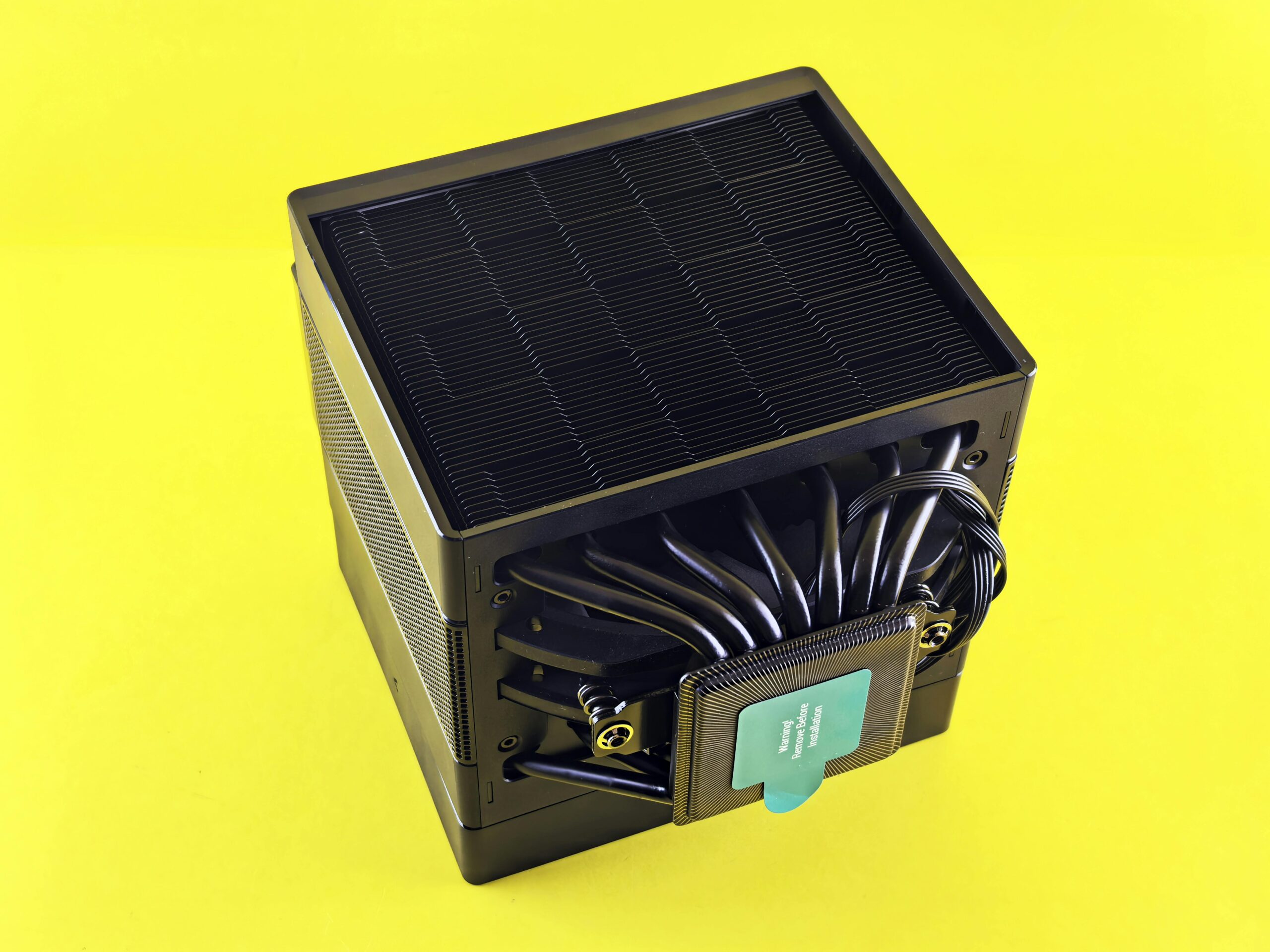
Digital twins combined with airflow loop models represent a transformative approach to optimizing industrial and building systems, delivering unprecedented operational efficiency and predictive capabilities.

🔄 Understanding Digital Twins in Modern Operations
Digital twins have emerged as one of the most powerful technological innovations in recent years, creating virtual replicas of physical assets, processes, or systems. These digital representations leverage real-time data, simulation capabilities, and machine learning algorithms to mirror the behavior and performance of their physical counterparts with remarkable accuracy.
The concept extends beyond simple monitoring. Digital twins enable organizations to predict failures, optimize performance, test scenarios without disrupting actual operations, and make data-driven decisions that significantly impact operational efficiency. When integrated with airflow loop models, these capabilities multiply exponentially.
Industries ranging from manufacturing and aerospace to healthcare and building management are adopting digital twin technology at an accelerating pace. The global digital twin market is expected to reach substantial valuations in the coming years, driven by the increasing need for operational optimization and predictive maintenance strategies.
💨 The Critical Role of Airflow Loop Models
Airflow loop models serve as sophisticated computational frameworks that simulate the movement, temperature, pressure, and quality of air within enclosed or semi-enclosed environments. These models account for numerous variables including ventilation rates, thermal dynamics, humidity levels, and contaminant dispersion patterns.
In industrial settings, proper airflow management directly correlates with energy consumption, worker safety, product quality, and regulatory compliance. Manufacturing facilities often spend between 30-50% of their total energy budget on HVAC systems, making optimization in this area particularly valuable from both environmental and financial perspectives.
Traditional airflow management relied on static calculations and periodic measurements. However, modern airflow loop models incorporate dynamic variables, real-time sensor data, and predictive algorithms that adapt to changing conditions. This evolution has made them ideal candidates for integration with digital twin platforms.
Components of Effective Airflow Loop Models
Comprehensive airflow loop models include several essential components that work together to create accurate simulations:
- Computational Fluid Dynamics (CFD): Advanced mathematical modeling of fluid flow patterns and thermal characteristics
- Sensor Networks: Distributed IoT devices capturing real-time temperature, pressure, humidity, and air quality data
- Building Information Modeling (BIM): Detailed architectural and spatial data providing the physical context for airflow analysis
- Weather Integration:External climate conditions that influence internal airflow patterns and HVAC performance
- Occupancy Data: Real-time information about space utilization affecting heating, cooling, and ventilation requirements
🎯 Synergies Between Digital Twins and Airflow Models
The integration of airflow loop models with digital twin platforms creates a synergistic relationship that enhances the capabilities of both technologies. This combination enables organizations to visualize, analyze, and optimize air management systems with unprecedented precision and responsiveness.
Digital twins provide the framework for continuous data integration, historical analysis, and predictive capabilities. When airflow models are embedded within this framework, they gain access to broader operational data, enabling more accurate simulations that account for equipment performance, operational schedules, and environmental conditions.
This integration facilitates what experts call “closed-loop optimization” – a continuous cycle where real-world performance data informs model refinements, which in turn generate improved operational recommendations. This iterative process drives continuous improvement in system efficiency and performance.
Real-Time Performance Optimization
One of the most valuable outcomes of this integration is the ability to optimize performance in real-time. Traditional HVAC systems operate on predetermined schedules or simple feedback loops. Digital twins enhanced with airflow models can dynamically adjust parameters based on multiple variables simultaneously.
For example, the system might detect an upcoming shift change that will increase occupancy in certain areas, adjust for changing weather patterns, account for specific production schedules that generate different thermal loads, and optimize the entire airflow configuration before these conditions actually occur. This predictive optimization reduces energy waste while maintaining optimal environmental conditions.
📊 Implementation Strategies for Maximum Impact
Successfully implementing digital twins with integrated airflow loop models requires careful planning, appropriate technology selection, and a phased approach that builds capabilities progressively. Organizations that rush implementation without proper groundwork often experience disappointing results and reduced stakeholder buy-in.
The first critical step involves comprehensive data infrastructure assessment. Digital twins require substantial data flows from multiple sources including building management systems, IoT sensors, weather services, operational databases, and maintenance records. Ensuring data quality, accessibility, and integration capabilities forms the foundation for success.
Organizations should begin with pilot projects in specific areas or systems where the potential impact is significant and measurable. This approach allows teams to develop expertise, demonstrate value, and refine implementation methodologies before scaling across entire facilities or operations.
Technology Stack Considerations
Selecting the appropriate technology stack requires balancing multiple factors including existing infrastructure, scalability requirements, integration capabilities, and budget constraints. The technology ecosystem typically includes several layers:
| Layer | Components | Key Considerations |
|---|---|---|
| Data Acquisition | IoT sensors, BMS integration, weather APIs | Coverage, accuracy, latency, reliability |
| Data Platform | Cloud infrastructure, data lakes, streaming processors | Scalability, security, real-time capabilities |
| Analytics & Modeling | CFD engines, machine learning platforms, simulation tools | Computational power, accuracy, flexibility |
| Visualization & Control | Dashboards, mobile interfaces, automation systems | Usability, accessibility, decision support |
⚡ Operational Benefits and Performance Metrics
Organizations that successfully implement digital twins enhanced with airflow loop models typically experience measurable improvements across multiple performance dimensions. These benefits extend beyond simple energy savings to encompass operational reliability, safety compliance, and strategic planning capabilities.
Energy consumption reductions of 15-30% are commonly reported in facilities that leverage these integrated systems effectively. These savings result from optimized equipment operation, reduced overcooling or overheating, improved air distribution efficiency, and elimination of simultaneous heating and cooling scenarios.
Beyond energy metrics, organizations report improved indoor air quality consistency, reduced equipment maintenance costs through predictive maintenance strategies, faster response to environmental anomalies, and enhanced regulatory compliance documentation. These benefits collectively create compelling return on investment profiles that typically achieve payback within 2-4 years.
Key Performance Indicators to Track
Establishing clear KPIs enables organizations to measure the impact of their digital twin and airflow model implementations. Essential metrics include:
- Energy Intensity: kWh per square foot or per production unit, tracked against baseline and industry benchmarks
- Thermal Comfort Compliance: Percentage of time that conditions remain within optimal ranges across monitored zones
- Prediction Accuracy: Variance between model predictions and actual measured performance outcomes
- Response Time: Duration between condition changes and system adjustments to maintain optimal performance
- Equipment Utilization: Operating efficiency metrics for HVAC equipment and air handling components
- Maintenance Efficiency: Reduction in unplanned downtime and improvement in preventive maintenance scheduling
🔬 Advanced Applications and Future Directions
The convergence of digital twins, airflow loop models, and emerging technologies like artificial intelligence and edge computing is opening new possibilities for operational optimization. Advanced applications are moving beyond reactive or even predictive approaches toward prescriptive and autonomous operations.
Machine learning algorithms are being trained on historical performance data to identify optimization opportunities that human operators might miss. These systems can detect subtle patterns correlating weather conditions, operational schedules, equipment aging, and energy consumption, generating increasingly sophisticated optimization strategies over time.
Edge computing capabilities are enabling more sophisticated processing closer to data sources, reducing latency and enabling faster response to changing conditions. This distributed intelligence architecture allows digital twins to operate effectively even when cloud connectivity is interrupted, ensuring continuous optimization capabilities.
Integration with Broader Smart Building Ecosystems
Forward-thinking organizations are expanding digital twin and airflow model integration beyond HVAC systems to encompass broader building operations. This holistic approach creates opportunities for cross-system optimization that delivers even greater efficiency gains.
For example, integrating lighting systems with airflow models enables optimization based on heat generated by lighting fixtures. Incorporating security and access control systems provides more accurate occupancy data for demand-controlled ventilation. Connecting with energy management systems enables participation in demand response programs without compromising indoor environmental quality.
🛠️ Overcoming Implementation Challenges
Despite the compelling benefits, organizations often encounter challenges when implementing digital twins with airflow loop models. Understanding these obstacles and developing strategies to address them significantly improves implementation success rates.
Data quality and availability frequently present early hurdles. Many existing buildings lack comprehensive sensor coverage, and legacy systems may not provide accessible data streams. Addressing these gaps often requires infrastructure investments in sensor networks and system upgrades that must be factored into project planning and budgeting.
Organizational change management represents another common challenge. Facilities teams accustomed to traditional operational approaches may resist new technologies or lack confidence in model-based recommendations. Successful implementations invest in training, clearly communicate benefits, and create governance structures that balance automation with human oversight.
Building Internal Expertise
Developing internal capabilities to maintain and optimize digital twin systems requires a multidisciplinary approach. Teams need expertise spanning HVAC engineering, data science, software development, and operational technology. Organizations should invest in:
- Formal training programs for facilities and engineering staff on digital twin concepts and tools
- Partnerships with technology vendors that include knowledge transfer and capability building
- Cross-functional collaboration structures that bring together IT, facilities, and operations teams
- Continuous learning opportunities to stay current with evolving technologies and best practices
🌍 Environmental and Sustainability Impact
Beyond operational efficiency and cost savings, digital twins enhanced with airflow loop models make significant contributions to environmental sustainability and corporate responsibility objectives. As organizations face increasing pressure to reduce carbon footprints and demonstrate environmental stewardship, these technologies provide measurable pathways to sustainability goals.
The energy reductions achieved through optimized airflow management directly translate to reduced greenhouse gas emissions, particularly in facilities powered by conventional electricity grids. For organizations committed to carbon neutrality targets, these systems provide quantifiable emission reductions that can be tracked and reported to stakeholders and regulatory bodies.
Additionally, improved indoor air quality and environmental control contribute to occupant health and productivity, creating social sustainability benefits alongside environmental ones. This alignment with Environmental, Social, and Governance (ESG) frameworks increasingly influences investment decisions and corporate reputation.

💡 Strategic Considerations for Decision Makers
Executives and decision makers evaluating digital twin and airflow model investments should consider both immediate operational benefits and longer-term strategic advantages. These systems represent not just efficiency improvements but foundational capabilities for future digital transformation initiatives.
The data infrastructure, analytical capabilities, and operational insights developed through these implementations create platforms for additional innovations. Organizations can leverage these foundations for asset management optimization, space utilization analysis, predictive maintenance across broader equipment portfolios, and integration with smart grid initiatives.
Investment decisions should account for scalability potential and integration flexibility. Starting with airflow optimization in critical facilities establishes capabilities that can expand to additional locations, systems, and use cases. This progressive approach allows organizations to build expertise and demonstrate value while managing risk and resource allocation.
As industries continue evolving toward digitalization, organizations that develop digital twin capabilities position themselves advantageously for future operational requirements and competitive pressures. The integration of airflow loop models represents a practical, high-value entry point into these transformative technologies, delivering immediate benefits while building strategic capabilities for continued innovation and optimization.