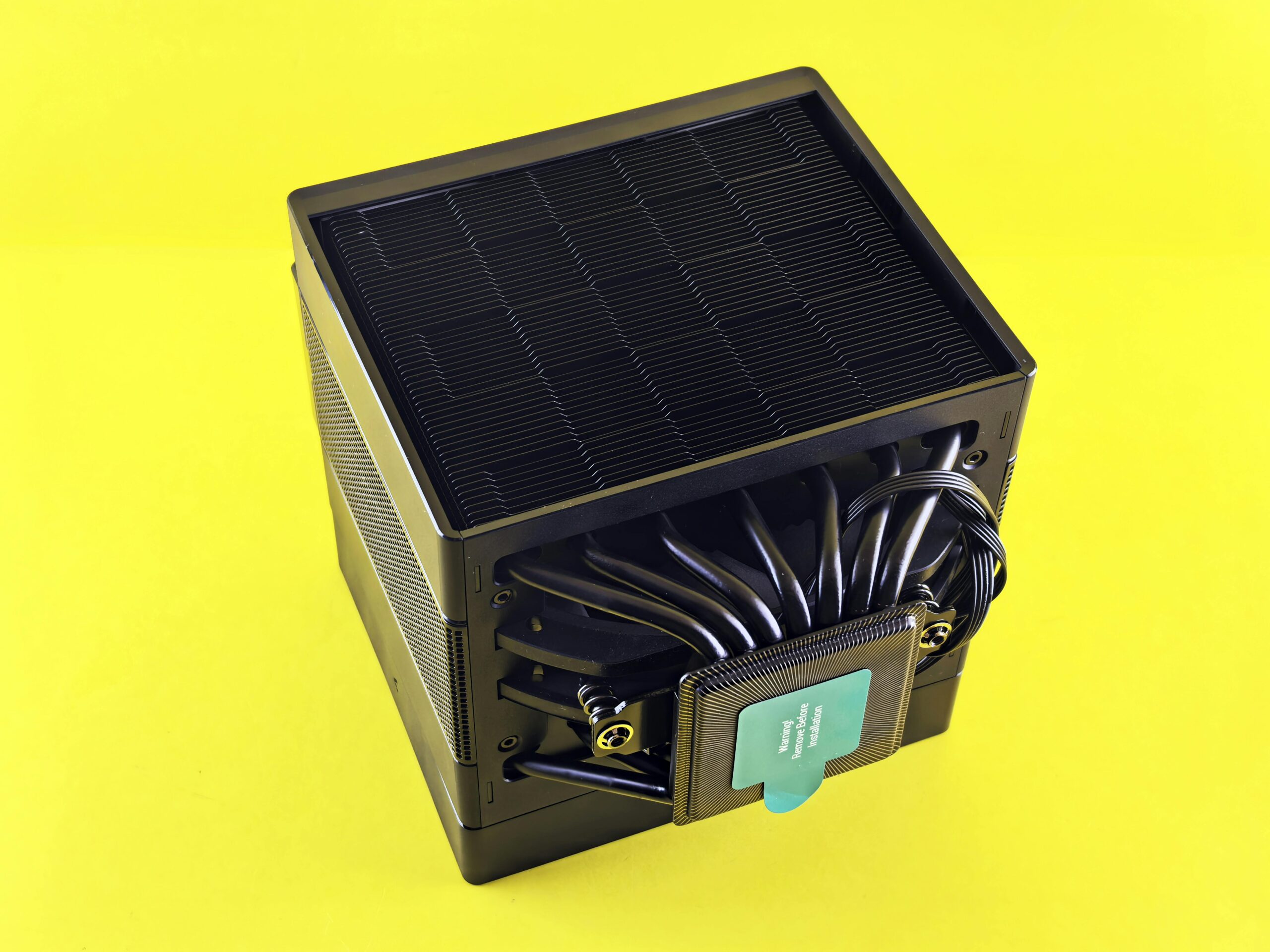
Data visualization transforms complex airflow systems into clear, actionable insights that drive operational excellence and measurable performance improvements across industrial environments.

📊 Why Visual Intelligence Matters in Airflow Systems
Modern industrial facilities face unprecedented challenges in managing airflow efficiency. Traditional monitoring methods often fall short when dealing with complex loop pathways, multiple variables, and real-time operational demands. Data visualization emerges as a critical tool that bridges the gap between raw sensor data and strategic decision-making.
Airflow loop pathways represent the circulatory system of industrial operations. Whether in HVAC systems, manufacturing plants, or data centers, understanding how air moves through these pathways directly impacts energy consumption, equipment longevity, and overall system performance. The complexity of these systems demands more than spreadsheets and numerical reports—it requires visual representations that reveal patterns, anomalies, and optimization opportunities.
The integration of visual analytics into airflow management has revolutionized how engineers and facility managers approach system optimization. By converting streams of data into intuitive graphics, heat maps, and dynamic dashboards, organizations can identify inefficiencies within seconds rather than hours or days.
🔍 Understanding Airflow Loop Pathway Dynamics
Airflow loop pathways consist of interconnected components including ducts, fans, dampers, filters, and control systems. Each element influences the overall system performance, creating a web of dependencies that can be difficult to comprehend through traditional analysis methods.
The concept of loop pathways extends beyond simple linear airflow. These systems feature feedback mechanisms, pressure differentials, temperature gradients, and flow rate variations that change dynamically based on operational demands. Understanding these relationships requires visualization tools that can represent multiple dimensions simultaneously.
Effective visualization reveals how changes in one section of the pathway cascade through the entire system. For instance, a partially blocked filter might seem like a localized issue, but visual analysis can show its ripple effects on fan energy consumption, downstream pressure balances, and temperature distribution patterns.
Critical Parameters in Airflow Visualization
Several key metrics deserve focused attention when visualizing airflow systems:
- Volumetric flow rates across different pathway segments
- Pressure differentials at critical junctions and boundaries
- Temperature distributions throughout the loop system
- Energy consumption patterns correlated with operational states
- Equipment cycling frequencies and runtime distributions
- Humidity levels and their spatial variations
- Air quality indicators including particulate concentrations
Each parameter tells part of the story, but their combined visualization reveals the complete operational narrative. Advanced dashboards integrate these metrics into cohesive visual frameworks that support both real-time monitoring and historical trend analysis.
🎯 Strategic Approaches to Airflow Data Visualization
Implementing effective visualization strategies requires careful consideration of both technical capabilities and human factors. The most powerful visualizations balance technical precision with intuitive understanding, enabling users at various skill levels to extract meaningful insights.
Heat Mapping for Spatial Analysis
Heat maps provide exceptional value in airflow optimization by representing spatial variations in temperature, pressure, or flow velocity. These color-coded visualizations instantly reveal hot spots, dead zones, and gradient patterns that might indicate inefficiencies or design flaws.
When applied to facility layouts, heat maps transform abstract sensor readings into geographical representations that facility managers can immediately understand. A quick glance reveals which areas experience excessive temperatures, where pressure imbalances occur, and how these patterns evolve throughout operational cycles.
Time-Series Trends and Pattern Recognition
Temporal visualization displays how airflow parameters change over minutes, hours, days, or seasons. Line graphs, area charts, and candlestick diagrams reveal cyclical patterns, trending behaviors, and unexpected anomalies that warrant investigation.
Advanced time-series visualizations overlay multiple parameters, enabling correlation analysis. For example, visualizing energy consumption alongside outdoor temperature and production schedules can reveal optimization opportunities that single-parameter analysis would miss entirely.
Network Diagrams for System Architecture
Network-style visualizations represent airflow systems as interconnected nodes and pathways. Each component becomes a visual element, with connections showing airflow direction, capacity, and current utilization. This approach excels at revealing bottlenecks, redundant pathways, and system architecture inefficiencies.
Interactive network diagrams allow users to drill down into specific components, viewing detailed performance metrics while maintaining awareness of the broader system context. This multi-level visualization supports both strategic planning and tactical troubleshooting.
⚡ Performance Optimization Through Visual Analytics
The ultimate goal of airflow visualization extends beyond monitoring—it aims to drive measurable performance improvements. Visual analytics transforms data into decisions, and decisions into optimized operations.
Identifying Energy Waste Patterns
Energy consumption represents a significant operational cost in airflow systems. Visualization tools can highlight energy waste patterns that remain invisible in traditional analysis. Scatter plots comparing energy input against actual airflow output reveal efficiency gaps, while comparative bar charts show performance variations across similar system components.
By visualizing energy consumption per unit of airflow delivered, organizations can benchmark different pathway segments and identify underperforming sections. This targeted approach enables prioritized investments in upgrades and maintenance activities with the highest return potential.
Predictive Maintenance Through Visual Indicators
Equipment failures in airflow systems often announce themselves through gradual performance degradation. Visualization tools that track component-specific metrics over time can detect these early warning signs, enabling predictive maintenance strategies that prevent costly unplanned downtime.
Visual dashboards displaying equipment health scores, vibration patterns, and performance trends provide maintenance teams with actionable intelligence. Color-coded indicators—green for healthy, yellow for monitoring, red for immediate attention—create intuitive priority systems that streamline maintenance workflows.
Capacity Planning and Expansion Decisions
As operational demands evolve, airflow systems must adapt. Visualization tools support capacity planning by modeling how proposed changes would impact overall system performance. Simulation visualizations allow engineers to test different scenarios, comparing outcomes before committing resources to physical modifications.
Historical trend visualizations inform expansion decisions by revealing growth patterns and seasonal variations. Understanding when and where capacity constraints emerge enables proactive system enhancements that maintain optimal performance during critical operational periods.
🛠️ Implementation Frameworks for Visual Airflow Analysis
Successful implementation requires more than selecting visualization software—it demands a structured approach that integrates technology, processes, and organizational culture.
Data Collection Infrastructure
Quality visualization depends on quality data. Modern airflow systems require comprehensive sensor networks that capture relevant parameters at appropriate intervals. Wireless sensor technologies, IoT platforms, and building management systems provide the data foundation for effective visualization.
Strategic sensor placement ensures comprehensive coverage without redundancy. Critical pathway sections, equipment interfaces, and environmental boundary points deserve priority attention. Data collection frequency should match the dynamic characteristics of the system—rapidly changing parameters require more frequent sampling than stable metrics.
Dashboard Design Principles
Effective dashboards balance comprehensiveness with simplicity. The best designs present critical information prominently while providing drill-down capabilities for detailed analysis. Visual hierarchy, consistent color schemes, and intuitive navigation patterns enhance usability across diverse user groups.
Role-based dashboards cater to different organizational needs. Operators require real-time status indicators and alarm notifications. Engineers need detailed performance metrics and historical trends. Executives benefit from high-level KPIs and summary visualizations. A well-designed system accommodates these varied requirements within a cohesive framework.
📈 Advanced Visualization Techniques for Complex Systems
As airflow systems grow in complexity, visualization techniques must evolve to maintain clarity and insight. Advanced approaches leverage artificial intelligence, machine learning, and interactive technologies to extract deeper understanding from increasingly complex datasets.
3D Modeling and Augmented Reality
Three-dimensional visualizations bring spatial awareness to airflow analysis. Rather than viewing floor plans as flat diagrams, 3D models allow users to navigate through virtual representations of facilities, observing airflow patterns from multiple perspectives.
Augmented reality takes this concept further by overlaying performance data onto physical environments. Maintenance technicians wearing AR devices can see invisible airflow patterns, pressure gradients, and temperature distributions superimposed on actual equipment, transforming abstract data into tangible, contextualized information.
AI-Powered Anomaly Detection
Machine learning algorithms excel at identifying subtle patterns that human observers might miss. When integrated with visualization systems, AI can highlight anomalies automatically, drawing attention to unusual behaviors that warrant investigation.
Visual representations of AI insights make complex algorithms accessible to non-technical users. Rather than trusting black-box recommendations, users see the data patterns that triggered alerts, building confidence in automated systems while maintaining human oversight of critical decisions.
💡 Real-World Impact: Measurement and Validation
The value of visualization ultimately resides in measurable outcomes. Organizations implementing advanced airflow visualization report significant improvements across multiple performance dimensions.
Energy consumption reductions frequently range between 15-30% when optimization strategies derive from visual analytics. These savings stem from identifying inefficient operation patterns, optimizing control sequences, and targeting maintenance resources effectively.
Equipment lifespan extensions represent another significant benefit. By detecting problems early and optimizing operating conditions, visualization-driven maintenance strategies reduce wear and tear, extending asset lifecycles and deferring capital expenditures.
Operational reliability improves as visualization tools enable proactive management. Unplanned downtime decreases, system uptime increases, and operational staff can respond to issues faster and more effectively.
🌐 Integration with Broader Management Systems
Airflow visualization achieves maximum value when integrated with enterprise-wide management platforms. Isolated systems provide limited benefits compared to integrated approaches that connect airflow performance with broader organizational objectives.
Energy management systems benefit from airflow visualization by understanding how HVAC operations contribute to overall consumption patterns. Facility management platforms gain enhanced capabilities when airflow data informs space utilization, comfort optimization, and environmental quality decisions.
Maintenance management systems become more effective when airflow performance metrics trigger work orders automatically. This integration creates closed-loop systems where data drives action, action generates outcomes, and outcomes inform continuous improvement cycles.
🚀 Future Directions in Airflow Visualization Technology
The evolution of visualization technology continues accelerating, promising even more powerful capabilities for airflow optimization. Digital twin technology creates virtual replicas of physical systems, enabling risk-free experimentation with optimization strategies.
Edge computing brings processing power closer to data sources, enabling real-time visualization of complex calculations that previously required cloud computing resources. This reduces latency, enhances responsiveness, and supports critical applications where immediate insights drive operational decisions.
Natural language interfaces will make sophisticated visualization tools accessible to non-technical users. Rather than navigating complex menus and configuration options, users will simply ask questions in plain language and receive relevant visualizations automatically.
🎓 Building Organizational Visualization Competency
Technology alone cannot deliver optimization benefits—organizations must develop human capabilities alongside technical infrastructure. Training programs should help staff understand both visualization tools and the airflow principles these tools represent.
Cross-functional collaboration enhances visualization effectiveness. Engineers, operators, maintenance technicians, and managers each bring unique perspectives that enrich interpretation of visual data. Creating forums for shared analysis promotes collective intelligence and accelerates learning.
Documentation and knowledge management preserve institutional learning. As teams discover optimization opportunities through visualization, capturing and sharing these insights multiplies their impact across the organization and over time.

✨ Transforming Data Into Competitive Advantage
Organizations that master airflow visualization gain competitive advantages that extend beyond immediate operational improvements. Enhanced system understanding enables more accurate capacity planning, more convincing sustainability reporting, and more confident expansion decisions.
The transparency that visualization provides builds trust with stakeholders. When management teams can see clear visual evidence of performance improvements, they become more willing to invest in continued optimization initiatives. When regulatory agencies see comprehensive monitoring visualizations, they gain confidence in compliance claims.
Customer-facing organizations can leverage airflow visualization to differentiate their services. Data center operators, for example, can provide clients with visual demonstrations of optimal environmental conditions. Manufacturing facilities can show customers how airflow management contributes to product quality.
The journey toward optimized airflow systems begins with commitment to data-driven decision making. Visualization serves as the bridge between commitment and action, transforming abstract sensor readings into clear guidance for performance enhancement. As visualization technologies continue advancing and organizational capabilities mature, the gap between current and optimal performance narrows, delivering sustained benefits that compound over time.
The power of data visualization in airflow optimization represents more than a technological upgrade—it signifies a fundamental shift in how organizations understand and manage critical infrastructure systems. Those who embrace this shift position themselves for sustained success in increasingly competitive and sustainability-focused operating environments.