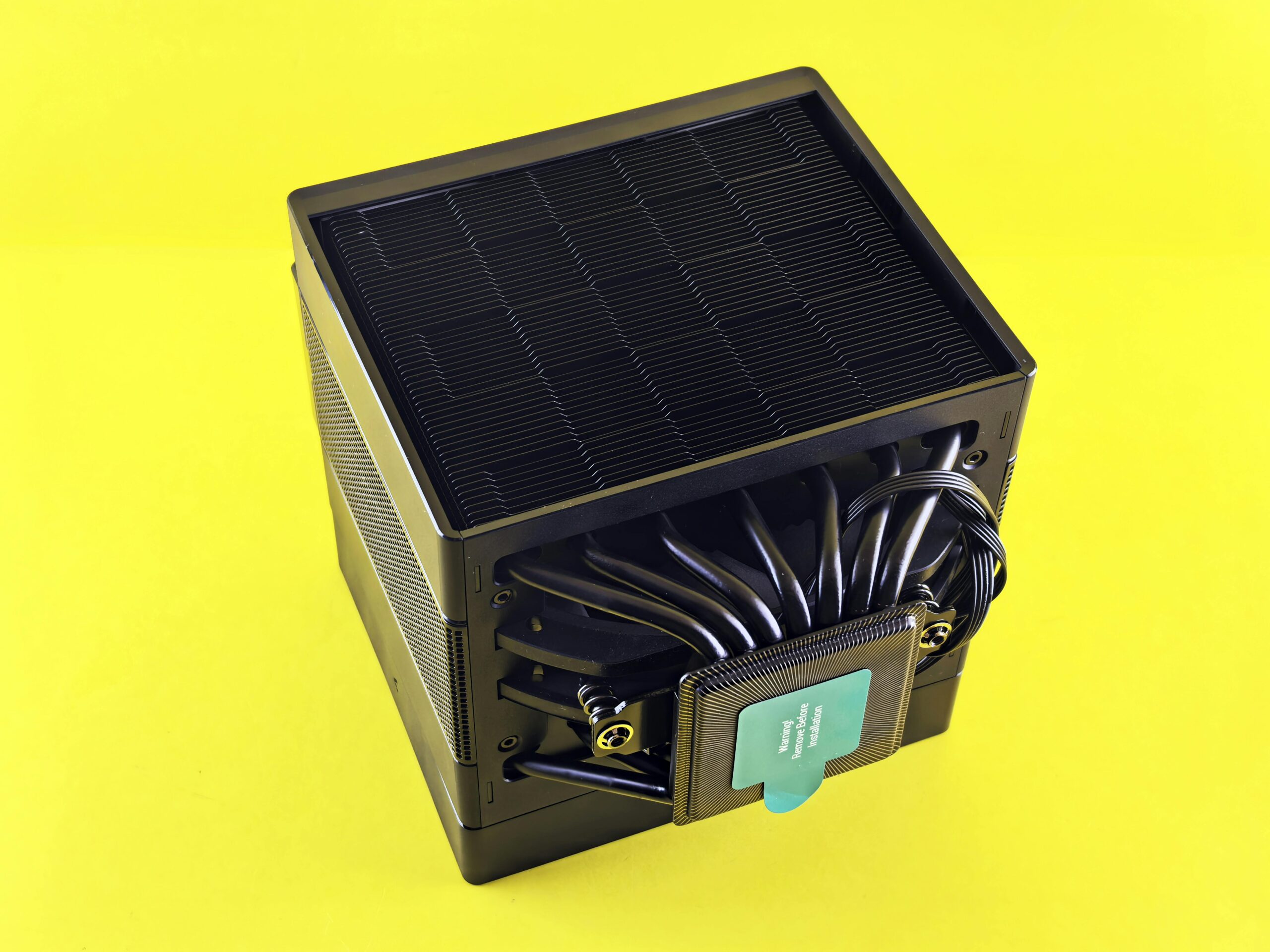
Understanding ventilation systems is crucial for creating healthier indoor environments. This article explores the fundamental differences between closed-loop airflow and open-loop ventilation systems, helping you make informed decisions for your space.

🌬️ The Foundation: What Are These Ventilation Systems?
Before diving into the comparative benefits, it’s essential to understand what distinguishes closed-loop airflow from open-loop ventilation. These two approaches represent fundamentally different philosophies in managing indoor air quality and temperature control.
Open-loop ventilation systems operate by continuously exchanging indoor air with outdoor air. They draw fresh air from outside, condition it as needed, distribute it throughout the building, and then exhaust the used air back to the exterior. This constant exchange creates a one-way flow pattern that never recirculates the same air twice.
Closed-loop airflow systems, conversely, recirculate the same air repeatedly within a sealed environment. These systems filter, condition, and redistribute air without introducing significant amounts of outdoor air. Any fresh air intake is minimal and carefully controlled, primarily serving to maintain appropriate oxygen levels and pressure balance.
Energy Efficiency: Where Closed-Loop Systems Shine
One of the most compelling advantages of closed-loop airflow systems lies in their energy efficiency. By recirculating conditioned air rather than constantly heating or cooling fresh outdoor air, these systems dramatically reduce energy consumption.
Consider a commercial building in a cold climate during winter. An open-loop system must continuously heat incoming frigid outdoor air to comfortable temperatures, then exhaust that warmed air outside. This process consumes enormous amounts of energy. A closed-loop system, however, maintains the temperature of already-conditioned air, requiring only minimal energy to compensate for heat loss through the building envelope.
Quantifying the Energy Savings
Studies have demonstrated that closed-loop systems can reduce HVAC energy consumption by 30-60% compared to traditional open-loop ventilation, depending on climate conditions and building characteristics. This translates directly into lower operational costs and reduced carbon footprints.
The energy savings become particularly pronounced in extreme climates where the temperature differential between indoor and outdoor air is substantial. In desert environments with scorching summers or arctic regions with brutal winters, closed-loop systems offer unmatched efficiency advantages.
Indoor Air Quality: The Open-Loop Advantage
While closed-loop systems excel at energy efficiency, open-loop ventilation traditionally holds the advantage for indoor air quality. The continuous introduction of fresh outdoor air naturally dilutes and removes indoor pollutants, including carbon dioxide, volatile organic compounds, and biological contaminants.
Open-loop systems provide inherent ventilation that prevents the buildup of stale air and odors. This constant air exchange is particularly beneficial in environments where pollutant generation rates are high, such as laboratories, manufacturing facilities, or spaces with many occupants.
Addressing the Air Quality Gap in Closed-Loop Systems
Modern closed-loop systems have evolved significantly to address historical air quality concerns. Advanced filtration technologies, including HEPA filters and activated carbon systems, can effectively remove particulates, allergens, and many gaseous pollutants from recirculated air.
Additionally, contemporary closed-loop designs incorporate controlled fresh air intake, UV germicidal irradiation, and sophisticated monitoring systems that maintain air quality standards while preserving energy efficiency. These innovations have narrowed the air quality gap considerably.
🏢 Application-Specific Considerations
The optimal choice between closed-loop and open-loop systems often depends heavily on the specific application and environmental context. Different settings present unique requirements that favor one approach over the other.
Healthcare Facilities and Laboratories
Healthcare environments typically require open-loop or hybrid systems due to strict infection control protocols. Operating rooms, isolation rooms, and laboratory spaces need high air exchange rates to prevent cross-contamination and remove hazardous materials. The regulatory requirements in these settings often mandate specific ventilation standards that favor open-loop designs.
Data Centers and Clean Rooms
Data centers represent ideal candidates for closed-loop airflow systems. These facilities prioritize temperature stability, humidity control, and energy efficiency while generating minimal internal pollutants. The controlled environment benefits significantly from recirculation strategies that maintain precise conditions while minimizing energy costs.
Clean rooms in semiconductor manufacturing and pharmaceutical production similarly benefit from closed-loop approaches, where contamination control is paramount and introducing unfiltered outdoor air would compromise product quality.
Commercial Office Buildings
Modern office buildings increasingly employ hybrid systems that combine closed-loop efficiency with strategic outdoor air introduction. These designs use energy recovery ventilators to precondition incoming fresh air with exhaust air, capturing much of the thermal energy that would otherwise be lost while maintaining adequate ventilation rates.
Climate and Geographic Factors
Geographic location and local climate patterns significantly influence the relative benefits of each ventilation strategy. The outdoor air quality, temperature extremes, humidity levels, and seasonal variations all play crucial roles in system selection.
In regions with excellent outdoor air quality and mild climates, open-loop systems become more attractive. The abundant fresh, clean air requires minimal conditioning, reducing the energy penalty associated with constant air exchange. Mediterranean climates and temperate coastal regions often fall into this category.
Conversely, areas with poor outdoor air quality, extreme temperatures, or high humidity levels favor closed-loop approaches. Urban centers with significant air pollution, industrial regions, and locations with harsh climates all benefit from minimizing outdoor air intake and relying on robust filtration of recirculated air.
💰 Economic Analysis: Initial Investment vs. Operational Costs
The financial equation for ventilation systems extends beyond simple equipment costs. A comprehensive economic analysis must consider initial capital investment, ongoing operational expenses, maintenance requirements, and equipment lifespan.
Capital Expenditure Comparison
Closed-loop systems typically require higher initial investments due to more sophisticated filtration equipment, sealing requirements, and control systems. The infrastructure needed to maintain a sealed environment with high-quality air recirculation adds to upfront costs.
Open-loop systems often have lower initial costs, particularly for simple designs with minimal heat recovery features. However, sophisticated open-loop systems with energy recovery ventilators can approach or exceed closed-loop system costs.
Long-Term Operational Economics
The operational cost advantage typically favors closed-loop systems in most climates. Reduced energy consumption for heating and cooling translates into substantial savings over the system’s operational lifetime. In commercial applications, these savings can recover the additional initial investment within 3-7 years.
Maintenance costs vary depending on system complexity. Closed-loop systems require regular filter replacement and potentially more frequent HVAC component servicing due to continuous operation. Open-loop systems face similar maintenance demands but may experience faster component degradation due to exposure to unfiltered outdoor air conditions.
Environmental Impact and Sustainability
As sustainability becomes increasingly central to building design and operation, the environmental implications of ventilation choices gain importance. Both energy consumption and overall environmental footprint must be considered.
Closed-loop systems generally offer superior environmental performance due to dramatically reduced energy requirements. Lower energy consumption translates directly into reduced greenhouse gas emissions, particularly when electricity comes from fossil fuel sources. This advantage aligns with global decarbonization goals and green building certifications.
However, the sustainability equation isn’t purely about energy. The materials used in filtration systems, refrigerant choices, and end-of-life disposal considerations all contribute to overall environmental impact. Comprehensive lifecycle assessments provide the most accurate picture of environmental performance.
🔬 Technological Innovations Reshaping the Landscape
Recent technological advances are blurring the traditional distinctions between closed-loop and open-loop systems, creating hybrid approaches that capture benefits from both strategies.
Demand-Controlled Ventilation
Smart ventilation systems now use sensors to monitor CO2 levels, occupancy, and pollutant concentrations in real-time. These systems dynamically adjust outdoor air intake, operating primarily in closed-loop mode during low-occupancy periods and increasing fresh air exchange when needed. This adaptive approach optimizes both energy efficiency and air quality.
Advanced Filtration Technologies
Emerging filtration technologies enable closed-loop systems to achieve air quality levels previously only possible with high outdoor air exchange rates. Photocatalytic oxidation, plasma filtration, and molecular filtration systems can remove even gaseous contaminants and bioaerosols with remarkable efficiency.
Heat and Energy Recovery Systems
Modern energy recovery ventilators transfer both sensible and latent heat between exhaust and supply air streams, recovering 70-90% of the energy in exhaust air. This technology dramatically reduces the energy penalty of outdoor air introduction, making open-loop strategies more viable even in extreme climates.
Regulatory Frameworks and Building Codes
Building codes and ventilation standards significantly influence system selection. Regulatory requirements vary by jurisdiction, building type, and occupancy classification, sometimes mandating specific ventilation rates or approaches.
ASHRAE Standard 62.1 in North America provides minimum ventilation rates for commercial buildings, generally favoring open-loop or hybrid approaches. However, the standard includes provisions for reduced outdoor air intake when equivalent air quality can be demonstrated through other means, creating pathways for advanced closed-loop systems.
European standards similarly emphasize indoor air quality outcomes rather than prescribing specific ventilation strategies, allowing flexibility in system design. This performance-based approach encourages innovation and optimization based on specific building characteristics and uses.
🎯 Making the Right Choice for Your Application
Selecting between closed-loop airflow and open-loop ventilation requires careful analysis of multiple factors specific to your situation. No universal solution exists; the optimal choice depends on your unique circumstances, priorities, and constraints.
Start by clearly defining your priorities. If energy efficiency and operational cost minimization are paramount, closed-loop systems deserve serious consideration. If maximum fresh air exchange and regulatory compliance with traditional ventilation standards are priorities, open-loop approaches may be more appropriate.
Consider your local climate and outdoor air quality. Extreme temperatures and poor outdoor air quality strengthen the case for closed-loop systems, while mild climates with excellent air quality favor open-loop designs.
Evaluate your building’s specific use case. Occupancy patterns, internal pollutant generation, and space functions all influence the ideal ventilation strategy. High-occupancy spaces with variable loads benefit from demand-controlled hybrid systems, while specialized environments like data centers clearly favor closed-loop approaches.
Engage qualified HVAC engineers early in the design process. Professional analysis using building energy modeling can quantify the expected performance, costs, and benefits of different ventilation strategies for your specific project.
The Future of Indoor Air Management
The ventilation industry continues evolving rapidly, driven by technological innovation, sustainability imperatives, and heightened awareness of indoor air quality’s importance to health and productivity. Future systems will likely blur traditional categories further, creating intelligent, adaptive solutions that dynamically optimize between efficiency and air quality based on real-time conditions.
Artificial intelligence and machine learning are beginning to enable predictive ventilation control, anticipating occupancy patterns and environmental conditions to preemptively adjust system operation. These smart systems promise to deliver superior performance across all metrics simultaneously.
The integration of renewable energy sources with ventilation systems also presents exciting possibilities. Solar-powered ventilation fans, geothermal heat exchange systems, and energy storage integration can further improve the sustainability profile of both closed-loop and open-loop designs.
Ultimately, the breath of fresh air you need might come from a sophisticated closed-loop system with advanced filtration, a traditional open-loop design maximizing natural ventilation, or—most likely—a hybrid approach that intelligently combines the best of both worlds. Understanding these systems’ fundamental characteristics and trade-offs empowers you to make informed decisions that create healthier, more efficient, and more sustainable indoor environments.