Lighting does more than illuminate—it shapes how we feel, work, and live. Choosing the right color temperature transforms any space into a haven of productivity and comfort. ✨

Understanding Color Temperature: The Foundation of Perfect Lighting
Color temperature isn’t about heat—it’s about the hue of light measured in Kelvin (K). This measurement determines whether light appears warm and cozy or cool and energizing. The spectrum ranges from the amber glow of candlelight at around 1,800K to the bright blue-white of midday sun at 6,500K and beyond.
When you enter a room, your brain immediately processes the lighting quality. Warm light signals relaxation and intimacy, while cooler tones trigger alertness and focus. This biological response has been hardwired into our systems through millennia of evolution, following natural light patterns from sunrise to sunset.
Understanding this fundamental concept empowers you to make informed decisions about your lighting choices. Whether you’re designing a home office, bedroom, or commercial space, color temperature becomes your secret weapon for creating the perfect atmosphere.
The Science Behind Light and Human Performance
Our circadian rhythms—the internal biological clocks governing sleep-wake cycles—are profoundly influenced by light exposure. Cool-toned light with higher color temperatures (5,000K-6,500K) suppresses melatonin production, keeping us alert and focused during daytime hours.
Research from lighting science demonstrates that employees working under optimal color temperature conditions show measurably improved concentration, reduced eye strain, and enhanced cognitive performance. A Harvard study found that workers exposed to appropriate lighting conditions experienced 46% better sleep quality and 51% less drowsiness during work hours.
Conversely, warm light (2,700K-3,000K) in evening hours supports natural melatonin production, preparing your body for restorative sleep. This biological synchronization isn’t just about comfort—it’s about optimizing your health, mood, and efficiency throughout the day.
The Productivity-Comfort Balance
The challenge lies in finding equilibrium. Too cool, and spaces feel sterile and unwelcoming. Too warm, and productivity plummets as drowsiness sets in. The most successful lighting designs incorporate flexibility, allowing color temperature adjustments based on time of day and activity type.
Mapping Color Temperatures to Your Space’s Purpose 🏠
Different environments demand different lighting strategies. Let’s explore how to match color temperature to specific rooms and functions:
Home Office and Study Areas
For maximum productivity, target color temperatures between 4,000K and 5,000K. This range mimics natural daylight without venturing into the harsh blue spectrum. Your eyes experience less strain during extended screen time, and your brain maintains alertness without overstimulation.
Consider installing tunable white LED systems that let you adjust intensity and temperature throughout the workday. Start with cooler light during peak productivity hours (typically 9 AM to 3 PM), then gradually shift warmer as evening approaches.
Bedrooms: Your Sanctuary of Rest
Bedrooms thrive under warm color temperatures between 2,700K and 3,000K. This amber-toned light promotes relaxation, signaling to your body that it’s time to wind down. Reading lights might incorporate slightly cooler temperatures (3,500K) for better text clarity while maintaining overall warmth.
Avoid blue-rich lighting (above 5,000K) in bedrooms, especially in the two hours before sleep. The melatonin suppression caused by cool light can delay sleep onset by up to an hour, compromising sleep quality and next-day performance.
Living Rooms and Social Spaces
Versatility defines successful living room lighting. A range of 2,700K to 3,500K works beautifully for most social activities, creating inviting warmth while providing adequate visibility. Layered lighting approaches work best—combining ambient lighting at warmer temperatures with task lighting that’s slightly cooler for reading or hobbies.
Kitchens: Where Function Meets Hospitality
Kitchens benefit from dual-temperature strategies. Food preparation areas require bright, accurate lighting around 4,000K to 5,000K, ensuring you can distinguish colors correctly and work safely. Dining areas within the kitchen, however, should feature warmer temperatures (2,700K-3,000K) to enhance the dining experience and create convivial atmospheres.
Bathrooms: Energizing Mornings, Relaxing Evenings
Morning bathroom routines call for energizing light between 4,000K and 5,500K, especially around mirrors where grooming tasks occur. This cool-toned light helps you wake up and provides accurate color rendering for makeup application and skincare routines.
For bathrooms with bathtubs or spaces used for evening relaxation, consider dimmable warm lighting (2,700K) to support unwinding before bed. Smart lighting systems that automatically adjust based on time of day offer the best of both worlds.
Commercial and Workspace Optimization 💼
Businesses increasingly recognize that lighting investments directly impact bottom-line performance. The right color temperature doesn’t just create comfortable environments—it measurably enhances productivity, reduces errors, and improves employee satisfaction.
Corporate Offices and Collaborative Spaces
Modern offices perform best with color temperatures between 4,000K and 5,000K. This range maintains alertness during standard work hours while avoiding the harsh, clinical feel of higher-temperature lighting. Conference rooms might use slightly warmer temperatures (3,500K-4,000K) to create more relaxed, collaborative atmospheres during meetings.
Open-plan offices should incorporate human-centric lighting systems that gradually shift color temperature throughout the day, mimicking natural light patterns. This biodynamic approach has shown remarkable results in reducing afternoon fatigue and maintaining consistent productivity levels.
Retail Environments: Influencing Customer Behavior
Retail lighting strategically uses color temperature to enhance merchandise appeal and influence shopping behavior. Clothing stores often employ 3,000K-3,500K lighting that flatters skin tones and makes garments appear inviting. Jewelry stores might use slightly cooler temperatures (4,000K-4,500K) to maximize sparkle and brilliance in diamonds and precious metals.
Grocery stores typically use neutral to slightly warm lighting (3,500K-4,000K) in produce sections, making fruits and vegetables appear fresh and vibrant, while bakery areas benefit from warmer light (2,700K-3,000K) that makes bread and pastries look more appetizing.
Healthcare Facilities: Balancing Function and Healing
Medical examination rooms require high color temperature lighting (5,000K-6,500K) for accurate diagnosis and detailed work. However, patient recovery areas benefit from warmer, adjustable lighting that reduces stress and supports natural healing processes.
Progressive healthcare facilities now install circadian-supporting lighting systems in patient rooms, automatically adjusting color temperature throughout the day to support recovery and reduce medication needs.
Smart Technology: Your Color Temperature Command Center 📱
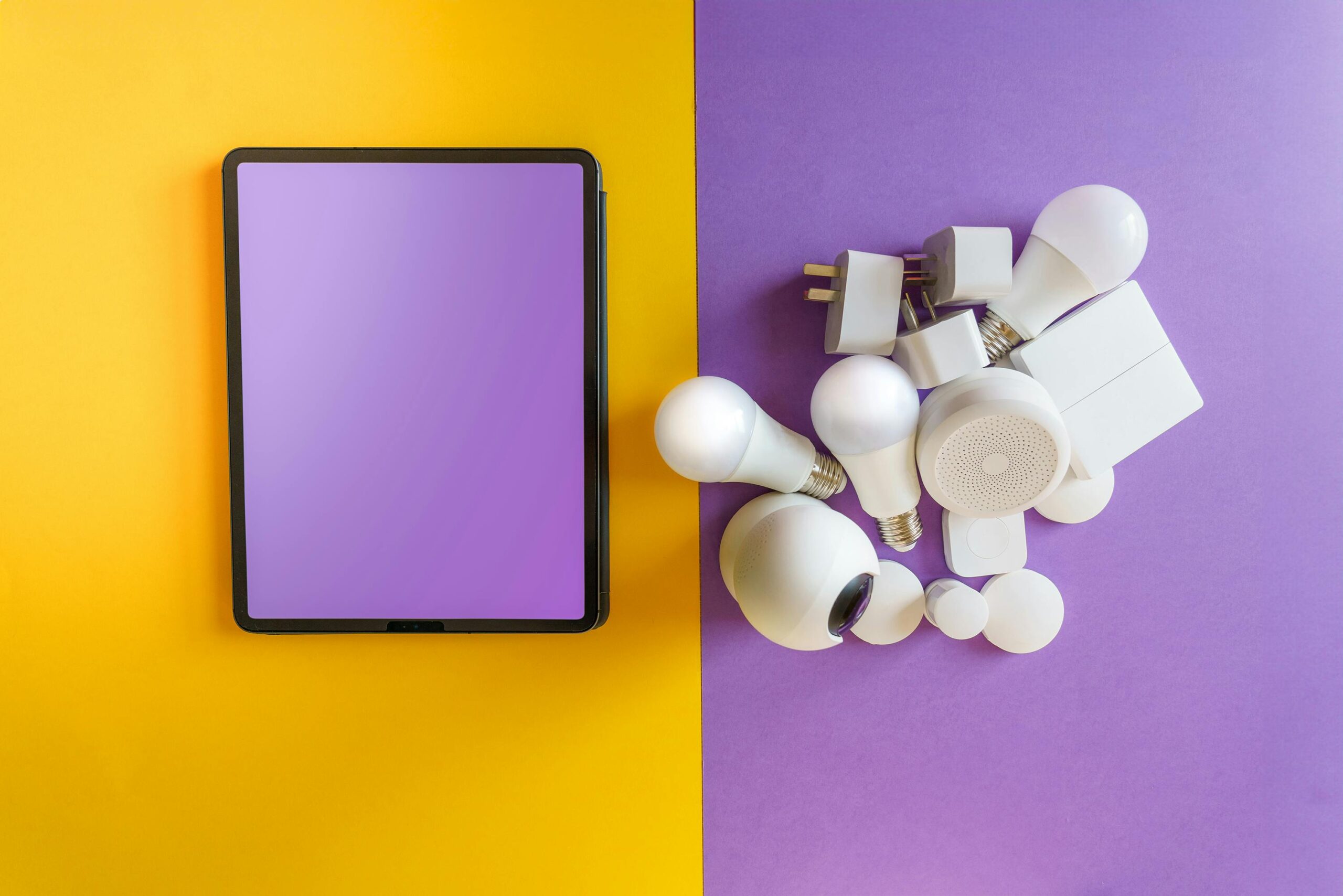
Modern smart lighting systems have revolutionized how we control color temperature. These technologies offer unprecedented flexibility, allowing precise adjustments via smartphone apps, voice commands, or automated schedules.
Smart bulbs from manufacturers like Philips Hue, LIFX, and Nanoleaf provide tunable white light spanning the full spectrum from 2,000K to 6,500K. You can create custom scenes for different activities—”Focus Mode” for work, “Relaxation” for evenings, “Energize” for morning routines—all accessible at your fingertips.
These systems integrate with circadian rhythm apps that automatically adjust your lighting based on your location’s sunrise and sunset times, supporting optimal biological functioning without requiring constant manual adjustments.
Automation and Scene Programming
The true power of smart lighting emerges through automation. Program your lights to gradually cool from 2,700K to 5,000K over the first two hours after waking, supporting natural alertness. In evening, reverse the process, slowly warming the light as bedtime approaches.
Geofencing features can trigger lighting changes when you arrive home, while integration with smart home ecosystems allows lighting to respond to other environmental factors like weather conditions or time-based routines.
Measuring and Evaluating Your Current Lighting 🔍
Before making changes, assess your existing lighting setup. Most LED bulbs display their color temperature on the packaging, but existing installations might require measurement. Smartphone apps using your device’s camera can estimate color temperature, though dedicated light meters provide more accurate readings.
Walk through each space at different times of day, noting how the lighting makes you feel. Do mornings feel sluggish in certain rooms? Does your home office leave you fatigued by afternoon? These subjective experiences often reveal mismatched color temperatures affecting your wellbeing.
The Color Rendering Index (CRI) Factor
While focusing on color temperature, don’t neglect the Color Rendering Index—a measure of how accurately light reveals true colors. For optimal results, choose bulbs with CRI ratings above 90, especially in areas where color accuracy matters like kitchens, bathrooms, and workspaces.
High-CRI lighting combined with appropriate color temperature creates environments that feel natural and comfortable while supporting the activities performed within them.
Practical Implementation Strategies Without Breaking the Bank 💡
Transforming your lighting doesn’t require complete renovation. Strategic upgrades deliver significant improvements even on modest budgets.
Start With High-Impact Spaces
Prioritize rooms where you spend most time or where lighting quality most affects performance. Home offices, bedrooms, and primary living areas offer the greatest return on lighting investments. Replace bulbs in these spaces first, then expand to secondary areas as budget allows.
Progressive Upgrade Approach
Rather than replacing everything at once, adopt a phased approach:
- Phase 1: Replace task lighting in work areas with 4,000K-5,000K options
- Phase 2: Update bedroom lighting to warm 2,700K-3,000K temperatures
- Phase 3: Install smart bulbs in frequently used fixtures for flexibility
- Phase 4: Add dimming capabilities to rooms benefiting from variable intensity
- Phase 5: Incorporate accent lighting with appropriate color temperatures for specific needs
Leverage Natural Light
The most cost-effective lighting strategy optimizes natural daylight. Position workstations near windows to maximize exposure to natural full-spectrum light during daytime hours. Use window treatments that filter rather than block light, maintaining connection to natural circadian cues.
Supplement natural light with artificial sources that match its color temperature—cooler during midday, warmer in morning and evening hours.
Common Mistakes to Avoid When Selecting Color Temperature ⚠️
Even well-intentioned lighting upgrades can miss the mark. Avoid these frequent errors:
Choosing one temperature for everything: Different spaces have different needs. A single color temperature throughout your home creates inefficiency and discomfort.
Going too cool in living spaces: While bright white light seems “efficient,” temperatures above 5,000K in residential settings create harsh, unwelcoming environments that increase stress.
Ignoring dimming capabilities: Fixed-intensity lighting limits flexibility. Dimmable fixtures allow you to adjust not just brightness but the apparent warmth of light.
Mixing color temperatures carelessly: While layered lighting works beautifully, randomly mixing warm and cool sources in the same visual field creates jarring, uncomfortable environments. Maintain consistency within sight lines.
Neglecting your personal preferences: Scientific recommendations provide starting points, but individual sensitivity varies. Trust your instincts—if lighting feels wrong, adjust accordingly.
Bringing It All Together: Your Personalized Lighting Plan
Creating your perfect glow requires balancing science, aesthetics, and personal preference. Start by identifying each space’s primary function, then select color temperatures that support those activities while maintaining overall design coherence.
Document your current lighting inventory, noting what works and what doesn’t. Research replacement options that fit your budget, prioritizing quality over quantity—a few excellent fixtures outperform numerous mediocre ones.
Experiment with different settings using smart bulbs in key locations before committing to permanent installations. This trial period reveals preferences you might not have anticipated and prevents costly mistakes.
Remember that lighting design is iterative. As seasons change, activities shift, and your needs evolve, your lighting should adapt accordingly. Build flexibility into your system from the beginning, enabling easy adjustments as life circumstances change.
The Long-Term Benefits of Optimal Color Temperature Selection
Investing time and resources into proper lighting yields dividends across multiple dimensions of life. Enhanced productivity means more work accomplished in less time, with better quality results. Improved sleep quality translates to better health, clearer thinking, and increased energy levels.
Emotional wellbeing benefits from environments that feel naturally comfortable rather than subtly stressful. The cumulative effect of these improvements—though sometimes difficult to quantify—profoundly impacts overall life satisfaction.
Energy efficiency represents another significant benefit. LED technology combined with smart controls reduces electricity consumption while delivering superior lighting quality. Many users find their investments pay for themselves within two to three years through reduced energy costs alone.
The right lighting transforms houses into homes and workspaces into productivity engines. By understanding color temperature and applying these principles thoughtfully, you create environments that support your goals, enhance your comfort, and illuminate your life—literally and figuratively. Your perfect glow awaits, ready to enhance every moment spent in your thoughtfully lit spaces. 🌟