Space travel presents unique engineering challenges, with fluid management emerging as one of the most critical concerns for mission success and crew safety.

The hostile environment of space demands innovative solutions to problems that rarely occur on Earth. Among these challenges, managing liquids and preventing contamination in microgravity conditions stands out as a fundamental requirement for sustainable space exploration. From the International Space Station to future lunar bases and Mars missions, understanding how fluids behave without gravity has become essential for human survival beyond our planet.
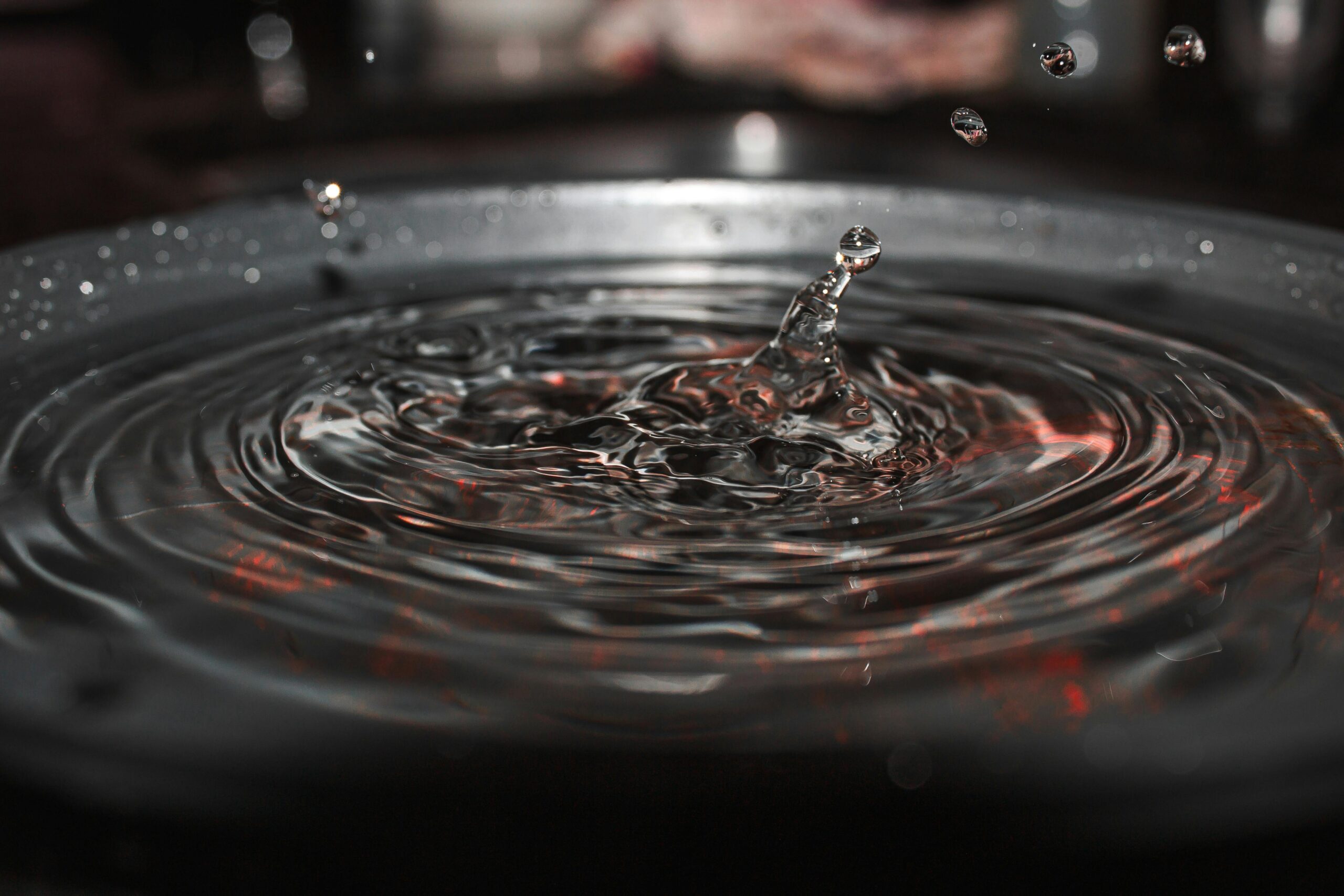
Every drop of water, fuel, or biological fluid must be carefully controlled in space. Unlike on Earth, where gravity naturally contains liquids, the zero-gravity environment allows fluids to form spherical droplets that can float freely through spacecraft cabins. This seemingly simple phenomenon creates complex engineering problems that require sophisticated solutions to prevent equipment damage, contamination hazards, and mission-critical failures.
🚀 Understanding Fluid Behavior in Microgravity Environments
The physics of fluids changes dramatically when gravity is removed from the equation. On Earth, gravity pulls liquids downward, creating predictable behaviors we rely on daily. In space, surface tension becomes the dominant force, causing fluids to behave in counterintuitive ways that can surprise even experienced astronauts.
Water and other liquids in microgravity tend to minimize their surface area, forming perfect spheres that adhere to surfaces through capillary action. This phenomenon, while fascinating to observe, presents serious operational challenges. Leaked fluids don’t simply pool on the floor—they can migrate throughout the spacecraft, infiltrating electronic systems, life support equipment, and sensitive scientific instruments.
The absence of convection currents in microgravity also means that heat distribution in fluids occurs differently. This affects everything from cooling systems to beverage preparation, requiring engineers to rethink fundamental assumptions about fluid dynamics that work perfectly well on Earth but fail completely in space.
Critical Challenges of Fluid Leaks in Space Stations
Fluid leaks aboard spacecraft represent one of the most dangerous scenarios astronauts can face. Unlike terrestrial environments where leaked liquids are easily contained, space stations provide numerous pathways for fluids to spread throughout pressurized modules, creating cascading risks that can threaten entire missions.
Electrical System Vulnerabilities 💧
The International Space Station contains miles of wiring and countless electronic components that keep life support, communications, and navigation systems operational. A single water droplet entering an electrical panel can cause short circuits, equipment failures, or even fires—particularly dangerous in the oxygen-rich atmosphere of spacecraft.
Coolant leaks present equally serious threats. The station’s thermal control system uses ammonia-based fluids to dissipate heat generated by equipment and absorbed from the sun. Ammonia is highly toxic to humans, and even small leaks require immediate evacuation of affected modules and extensive containment procedures.
Contamination Risks to Life Support Systems
Modern spacecraft employ closed-loop life support systems that recycle water, air, and even waste products. These systems operate under carefully controlled conditions, and contamination from leaked fluids can disrupt the delicate chemical and biological processes that sustain crew members for months at a time.
Water recovery systems, which convert urine and condensation back into drinking water, are particularly vulnerable to contamination. Foreign substances introduced through leaks can overwhelm filtration systems, requiring extensive maintenance or even replacement of expensive components that cannot be easily resupplied from Earth.
Advanced Detection Technologies for Early Leak Identification
Prevention and early detection form the first line of defense against fluid-related incidents in space. Modern spacecraft incorporate multiple layers of monitoring systems designed to identify leaks before they become critical threats.
Acoustic sensors listen for the characteristic sounds of escaping gases or liquids through hull breaches or faulty connections. These systems can detect pressure changes as small as a fraction of a millimeter of mercury, alerting crews to potential leaks long before visual confirmation is possible.
Optical sensors and humidity monitors track atmospheric conditions throughout the spacecraft, identifying anomalous moisture levels that might indicate water system leaks. Advanced algorithms analyze data from dozens of sensors simultaneously, distinguishing between normal operational variations and genuine leak events requiring intervention.
Chemical Detection Arrays
Specialized sensors continuously sample the cabin atmosphere for traces of ammonia, hydrazine, and other potentially hazardous chemicals used in spacecraft systems. These detectors can identify concentrations measured in parts per million, providing sufficient warning time for crews to don protective equipment and initiate containment procedures.
Recent developments in nanotechnology have enabled the creation of ultra-sensitive detectors that can identify specific chemical compounds with unprecedented accuracy. These systems integrate with spacecraft artificial intelligence, enabling predictive maintenance that addresses potential leaks before they occur.
Containment Strategies for Zero-Gravity Fluid Management 🛡️
Once a leak is detected, rapid containment becomes essential to minimize damage and protect crew safety. Space agencies have developed specialized equipment and procedures specifically designed for managing fluid releases in microgravity conditions.
Absorbent materials play a crucial role in initial containment efforts. Unlike Earth-based spill response, where gravity helps absorbents soak up liquids, space-rated materials must actively capture floating droplets through capillary action. These specialized fabrics incorporate microscopic structures that attract and retain liquids even in zero gravity.
Vacuum Collection Systems
Portable vacuum devices allow astronauts to actively collect leaked fluids before they spread throughout the spacecraft. These systems use airflow to capture droplets and direct them into sealed containment vessels. The equipment must be carefully designed to prevent the vacuum action from dispersing small droplets into aerosols, which would complicate the cleanup process.
For larger leaks or system failures, spacecraft carry emergency containment bags that can isolate affected equipment or entire sections of plumbing. These bags incorporate airtight seals and can be pressurized or depressurized as needed to control fluid behavior and prevent further migration.
Innovative Design Solutions in Modern Spacecraft Systems
Engineers have learned from decades of spaceflight experience, incorporating leak prevention directly into spacecraft design rather than relying solely on detection and response protocols. This proactive approach has significantly reduced fluid-related incidents and improved overall mission reliability.
Modern plumbing systems use redundant seals and pressure monitoring at every connection point. Quick-disconnect fittings allow rapid isolation of leaking sections without requiring system-wide shutdowns. Materials selection focuses on compatibility and longevity, choosing alloys and polymers that resist degradation in the space environment.
Capillary Fluid Management Devices
Some of the most elegant solutions to zero-gravity fluid control exploit the same surface tension forces that create the problem. Capillary devices use specially shaped surfaces and mesh screens to guide liquids through spacecraft systems without requiring pumps or gravity-dependent designs.
These passive systems have proven remarkably reliable, with no moving parts to fail and minimal maintenance requirements. Fuel tanks, water reservoirs, and waste collection systems increasingly incorporate capillary management technologies that work equally well in zero gravity, lunar gravity, or Martian gravity—essential for future exploration missions.
Contamination Control Protocols and Standards 🔬
Preventing biological and chemical contamination requires strict protocols that govern every aspect of spacecraft operations. Space agencies maintain contamination control standards more rigorous than most terrestrial cleanrooms, recognizing that infections or chemical exposures in space cannot be easily treated.
All fluids brought aboard spacecraft undergo extensive testing and certification. Water supplies are monitored continuously for bacterial growth, chemical contaminants, and particulate matter. Fuel and coolant systems incorporate filters and monitoring equipment that ensure purity throughout mission durations that may extend for years.
Microbiological Monitoring Programs
The warm, humid environment inside spacecraft provides ideal conditions for microbial growth. Without proper controls, bacteria and fungi can colonize water systems, air handlers, and even structural surfaces. Regular sampling programs track microbial populations, and crews follow strict disinfection schedules to prevent biofilm formation.
Advanced molecular techniques now allow astronauts to identify specific microorganisms aboard the station without sending samples back to Earth. Portable DNA sequencers provide results within hours, enabling rapid response to potentially pathogenic organisms before they can threaten crew health or contaminate critical systems.
Case Studies: Learning from Past Incidents
The history of spaceflight includes several notable incidents involving fluid leaks that have shaped current safety protocols and engineering practices. These experiences provide valuable lessons for future mission planning and spacecraft design.
In 2013, Italian astronaut Luca Parmitano experienced a life-threatening water leak during a spacewalk when approximately 1.5 liters of water entered his helmet. Unable to see, breathe easily, or communicate clearly, he had to navigate back to the airlock by memory while floating in what he later described as feeling like drowning. The incident prompted comprehensive redesigns of spacesuit water systems and emergency procedures.
The Mir space station experienced multiple coolant leaks throughout its operational lifetime, including a particularly serious ammonia leak in 1997 that required crew evacuation and extensive repairs. These incidents demonstrated the importance of redundant systems and the need for leak detection equipment capable of identifying problems before they become critical.
Future Technologies for Long-Duration Space Missions 🌟
As humanity prepares for missions to Mars and beyond, fluid management technologies must evolve to support crews on journeys lasting years rather than months. The challenges of deep space exploration demand even more reliable, autonomous, and maintainable systems than current spacecraft employ.
Researchers are developing self-healing materials that can automatically seal small punctures or cracks before significant fluid loss occurs. These advanced polymers incorporate capsules of repair agents that release when damaged, forming strong bonds that restore structural integrity without human intervention.
Artificial Intelligence Integration
Machine learning algorithms trained on decades of spaceflight data can now predict potential leak scenarios before they occur. By analyzing patterns in pressure readings, temperature fluctuations, and component aging, AI systems provide maintenance recommendations that address vulnerabilities proactively rather than reactively.
Future spacecraft may employ robotic inspection systems that continuously patrol for signs of wear, corrosion, or damage that could lead to leaks. These autonomous systems would work during crew sleep periods, identifying and even performing minor repairs without requiring human oversight.
Training and Preparedness for Astronaut Crews 👨🚀
Even with advanced technology, human crews remain the first line of defense against fluid emergencies in space. Comprehensive training programs ensure astronauts can recognize, respond to, and resolve leak situations under the stress of actual emergencies.
Simulation facilities on Earth use parabolic flight, neutral buoyancy tanks, and virtual reality to recreate the challenges of managing fluids in microgravity. Astronauts practice containment procedures repeatedly until responses become automatic, building the muscle memory needed when seconds count during actual emergencies.
Regular drills aboard the International Space Station keep skills sharp and test response procedures under real conditions. These exercises also identify equipment problems or procedural gaps that might not be apparent during ground-based training, allowing continuous improvement of emergency protocols.
Environmental Sustainability in Space Fluid Systems ♻️
The extreme cost and difficulty of resupplying spacecraft from Earth makes water and other fluids precious commodities that must be used with maximum efficiency. Modern life support systems recover more than 90% of water from all sources, including urine, sweat, and even moisture from exhaled breath.
These closed-loop systems represent remarkable feats of engineering, but they require careful management to prevent contamination that could compromise water quality or system performance. Every leak represents not just a safety hazard but also a loss of irreplaceable resources that directly impacts mission sustainability.
Future lunar and Mars bases will need even more efficient water recycling systems, potentially extracting water from local ice deposits and recycling it through dozens of use cycles. The contamination control and leak prevention technologies developed for spacecraft will become foundation technologies for off-Earth settlements.
Collaborative International Efforts in Space Safety Standards
Space exploration has always been a collaborative endeavor, with agencies sharing knowledge and best practices to improve safety for all. Fluid management and contamination control standards reflect decades of international cooperation, incorporating lessons learned from American, Russian, European, Japanese, and other space programs.
The International Space Station serves as a proving ground for technologies and procedures that will support future exploration missions. Partner agencies contribute specialized equipment and expertise, creating redundant systems that enhance reliability while advancing the state of the art in fluid management technology.
This collaborative approach ensures that commercial space ventures and emerging space programs benefit from accumulated knowledge rather than repeating costly and dangerous mistakes. Standardized interfaces and procedures allow equipment from different manufacturers and countries to work together seamlessly, critical for missions that may last years or even decades.
The Path Forward: Enabling Deep Space Exploration 🚀
Mastering fluid leaks and contamination in zero gravity represents more than solving an engineering problem—it enables humanity’s future beyond Earth. Every advance in leak detection, containment technology, and system reliability removes obstacles to longer missions, more ambitious destinations, and eventually permanent human presence in space.
The technologies developed for spacecraft are already finding applications on Earth, from advanced water purification systems to contamination control in pharmaceutical manufacturing. This cross-pollination of innovation demonstrates how solving the extreme challenges of spaceflight creates benefits that extend far beyond the space program itself.
As we look toward missions to Mars, asteroid mining operations, and lunar settlements, the lessons learned from managing fluids in microgravity will prove foundational. The seamless space experience of tomorrow depends on the unglamorous but essential work of preventing leaks, controlling contamination, and ensuring that every drop of precious fluid serves its intended purpose in supporting human life among the stars.