
Comfort mapping transforms how we experience architecture by analyzing and optimizing how surfaces feel underfoot, offering unprecedented luxury in our built environment.

🏗️ Understanding the Foundation of Comfort Mapping
The concept of comfort mapping represents a revolutionary approach to architectural design that prioritizes human sensory experience. This sophisticated methodology combines biomechanics, material science, and spatial design to create environments that respond to our physical needs. When we walk across a floor, traverse a bridge, or ascend a tower, comfort mapping ensures every step delivers optimal support and tactile satisfaction.
Traditional architectural planning often overlooked the subtle yet crucial aspects of surface interaction. Comfort mapping changes this paradigm by integrating advanced measurement techniques that evaluate pressure distribution, temperature regulation, acoustic properties, and material resilience. These factors collectively determine whether a surface feels luxurious or merely functional.
The science behind comfort mapping draws from multiple disciplines. Engineers analyze load distribution patterns, designers study aesthetic integration, and material specialists evaluate durability under varying conditions. This interdisciplinary collaboration produces surfaces that perform beautifully while maintaining structural integrity over decades of use.
The Psychology Behind Tactile Luxury ✨
Human beings are remarkably sensitive to surface textures and responses. Our feet contain thousands of nerve endings that constantly communicate with our brain about the environments we traverse. Comfort mapping leverages this biological reality to create experiences that feel inherently pleasant and secure.
Research demonstrates that comfortable surfaces reduce stress hormones and increase feelings of wellbeing. When walking on properly mapped flooring, people report higher satisfaction levels and demonstrate more relaxed postures. This psychological benefit extends beyond mere comfort—it influences productivity in workplaces, recovery rates in healthcare facilities, and enjoyment in residential spaces.
The luxury aspect emerges from attention to detail. Premium comfort mapping considers seasonal variations, anticipates usage patterns, and incorporates adaptive features that respond to environmental changes. This sophisticated approach distinguishes exceptional spaces from ordinary ones, creating environments that feel thoughtfully designed for human interaction.
🌉 Comfort Mapping in Bridge Engineering
Bridges present unique challenges for comfort mapping professionals. Unlike static floors, bridges must accommodate movement, vibration, and environmental stresses while maintaining pedestrian comfort. Modern bridge design increasingly incorporates comfort mapping principles to enhance user experience without compromising structural requirements.
Pedestrian bridges particularly benefit from comfort mapping analysis. These structures serve recreational and commuting purposes, requiring surfaces that feel secure and pleasant during extended use. Engineers evaluate factors including deck flexibility, surface texture, handrail ergonomics, and visual transparency to create comprehensive comfort profiles.
Advanced bridges now feature adaptive surfaces that modify their properties based on weather conditions. In cold climates, embedded heating elements maintain comfortable temperatures. In wet conditions, specialized drainage systems prevent puddle formation. These innovations stem directly from comfort mapping research that identifies user needs across diverse scenarios.
Vibration Management and Human Perception
One critical aspect of bridge comfort mapping involves controlling vibrations. Human footsteps generate resonant frequencies that can amplify through bridge structures, creating unsettling sensations. Sophisticated damping systems now mitigate these effects, ensuring smooth, stable experiences regardless of pedestrian traffic volume.
Material selection plays a vital role in vibration management. Composite decking materials absorb and dissipate energy more effectively than traditional options. When combined with strategic structural modifications, these materials create bridge surfaces that feel remarkably solid despite spanning significant distances.
Vertical Luxury: Comfort Mapping in Tower Environments 🏢
Towers and high-rise buildings introduce vertical dimensions to comfort mapping considerations. Flooring in these structures must address not only traditional comfort factors but also psychological responses to elevation, wind-induced building movement, and acoustic transmission between floors.
High-performance tower flooring systems incorporate multiple layers, each serving specific functions. Base layers provide structural support and vibration isolation. Intermediate layers manage thermal and acoustic properties. Surface layers deliver aesthetic appeal and tactile comfort. This layered approach allows designers to optimize each aspect independently while maintaining system integration.
Observation decks in towers exemplify comfort mapping at its finest. These spaces demand transparent floor sections for dramatic views while maintaining psychological security. Advanced materials provide clarity without compromising safety perceptions, allowing visitors to enjoy unprecedented perspectives comfortably.
Addressing Motion Perception in Tall Structures
Towers naturally sway in response to wind forces. While structural engineers ensure safety, occupant comfort requires additional considerations. Comfort mapping in towers includes strategies for minimizing motion perception, such as tuned mass dampers, strategic floor mass distribution, and sensory design elements that provide stability cues.
Interior finishes contribute significantly to motion comfort. Materials with slight flexibility absorb micro-movements that might otherwise transmit to occupants. Carefully calibrated surface compliance creates environments that feel stable even during measurable building motion, demonstrating how comfort mapping integrates psychological and physical factors.
🎨 Material Innovation Driving Comfort Excellence
Contemporary comfort mapping relies heavily on material science breakthroughs. New composite materials combine properties previously incompatible—hardness with resilience, transparency with strength, luxury aesthetics with durability. These innovations expand design possibilities while improving performance across all comfort metrics.
Natural materials remain popular for their inherent comfort properties. Wood, cork, and natural stone provide tactile warmth and visual appeal. However, modern treatments enhance these traditional materials, improving moisture resistance, dimensional stability, and longevity without sacrificing their organic character.
Synthetic materials offer unprecedented customization opportunities. Engineers can precisely tune hardness, flexibility, thermal properties, and surface texture to match specific requirements. Some advanced systems incorporate phase-change materials that moderate temperature extremes, maintaining comfortable surface conditions regardless of environmental fluctuations.
Sustainable Comfort Solutions
Environmental responsibility increasingly influences comfort mapping decisions. Sustainable materials like recycled rubber, reclaimed wood, and bio-based polymers now achieve comfort performance matching or exceeding conventional options. This alignment of ecological values with luxury experience represents a significant industry evolution.
Life-cycle analysis guides material selection in sophisticated comfort mapping projects. Materials with longer service lives, lower maintenance requirements, and recycling potential receive preference. This approach reduces environmental impact while often improving long-term comfort performance through superior durability and aging characteristics.
Technology Integration in Modern Comfort Mapping 📱
Digital tools revolutionize how professionals conduct comfort mapping analysis. Advanced sensors measure pressure distribution, temperature gradients, and acoustic properties with unprecedented precision. This data informs design decisions, enabling evidence-based optimization rather than intuition-driven approaches.
Building Information Modeling (BIM) software now incorporates comfort mapping parameters. Designers visualize comfort performance during planning phases, identifying potential issues before construction begins. This integration reduces costly modifications and ensures comfort objectives receive appropriate attention throughout project development.
Smart building systems take comfort mapping beyond initial design into operational phases. Sensors continuously monitor floor performance, identifying wear patterns and environmental changes. Automated systems adjust heating, cooling, and humidity control to maintain optimal comfort conditions, creating responsive environments that adapt to actual usage patterns.
🏠 Residential Applications of Comfort Mapping
Luxury residences increasingly incorporate comfort mapping principles throughout their design. Homeowners recognize that flooring comfort significantly impacts daily quality of life. Strategic material selection, underfloor climate control, and acoustic isolation create living environments that feel exceptionally refined.
Kitchen and bathroom flooring receives particular attention in residential comfort mapping. These high-traffic areas benefit from materials that combine water resistance with warmth underfoot. Radiant heating systems integrated with comfortable surface materials transform traditionally cold spaces into welcoming environments.
Bedroom flooring emphasizes different comfort priorities—sound absorption for peaceful rest, soft textures for barefoot comfort, and temperature moderation for nighttime comfort. Layered systems in bedrooms often include thick underlayments that provide cushioning while minimizing sound transmission to lower floors.
Commercial Excellence Through Comfort Optimization 💼
Commercial spaces leverage comfort mapping to enhance customer experiences and employee productivity. Retail environments use comfortable flooring to encourage extended browsing. Office spaces reduce fatigue through ergonomic floor systems. Healthcare facilities promote healing with surfaces that feel reassuring and supportive.
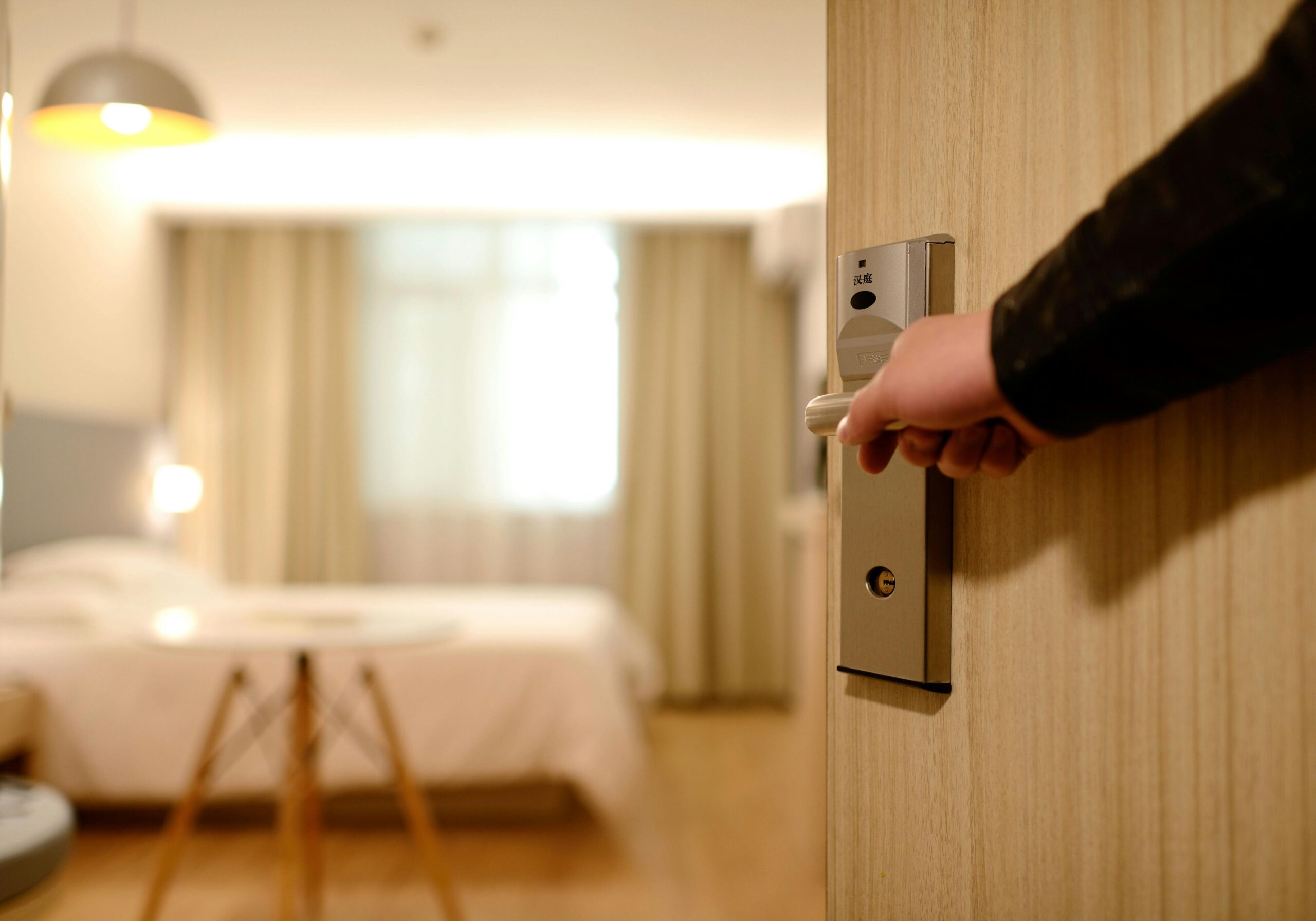
Hotels represent showcase applications for comfort mapping expertise. Lobby floors must withstand heavy traffic while conveying luxury through tactile experience. Guest room flooring balances acoustic privacy with comfort, creating peaceful retreats. Spa areas demand moisture-resistant materials that maintain warmth and softness—requirements that sophisticated comfort mapping readily addresses.
Restaurant and hospitality venues benefit enormously from comfort mapping. Staff spend long hours on their feet, making floor comfort crucial for employee wellbeing. Simultaneously, customers expect surfaces that complement the establishment’s ambiance. Advanced comfort mapping creates solutions satisfying both requirements without compromise.
Implementation Strategies for Optimal Results 🎯
Successful comfort mapping projects begin with comprehensive needs assessment. Professionals evaluate intended usage patterns, traffic volumes, environmental conditions, and aesthetic objectives. This analysis establishes baseline requirements that guide subsequent material selection and system design.
Prototype testing validates comfort mapping designs before full-scale implementation. Sample installations allow stakeholders to experience proposed solutions firsthand. Feedback from these evaluations often reveals preferences that technical analysis alone might miss, ensuring final installations truly deliver desired comfort experiences.
Installation quality critically impacts comfort mapping success. Even superior materials perform poorly when improperly installed. Specialized contractors trained in comfort-optimized installation techniques ensure proper substrate preparation, adhesive application, and finishing details. This expertise transforms theoretical comfort potential into realized performance.
Maintenance Considerations for Long-Term Comfort
Comfort mapping extends beyond initial installation into ongoing maintenance strategies. Regular cleaning with appropriate methods preserves surface texture and performance. Periodic inspections identify wear patterns requiring attention. Proactive maintenance programs ensure comfort properties remain consistent throughout the surface’s service life.
Some advanced systems include replaceable wear layers that allow surface renewal without complete replacement. This approach maintains comfort performance economically while reducing environmental impact. Strategic planning for eventual replacement considers evolving technology, ensuring future upgrades can integrate seamlessly with existing infrastructure.
Future Horizons in Comfort Mapping Innovation 🚀
Emerging technologies promise even more sophisticated comfort mapping capabilities. Adaptive materials that modify properties in real-time respond to individual users or environmental changes. Imagine floors that become softer when detecting elderly users or adjust temperature based on detected foot traffic patterns.
Artificial intelligence systems will optimize comfort mapping through continuous learning. These systems analyze usage data, identifying patterns that inform automatic adjustments. Over time, spaces become increasingly attuned to occupant preferences, delivering personalized comfort experiences that evolve with user needs.
Integration with broader smart building ecosystems will enable holistic comfort management. Floor systems will coordinate with lighting, air quality, and acoustic systems to create comprehensively optimized environments. This systems-level approach recognizes that true comfort emerges from harmonious integration across multiple sensory dimensions.
Measuring Success in Comfort Mapping Projects ✅
Quantifying comfort requires multifaceted evaluation approaches. Objective measurements assess pressure distribution, temperature uniformity, and acoustic performance. Subjective assessments gather user feedback about perceived comfort, satisfaction, and preference. Combining both methodologies provides comprehensive understanding of comfort mapping effectiveness.
Long-term performance monitoring demonstrates comfort mapping value over extended periods. Tracking maintenance requirements, durability performance, and sustained user satisfaction validates initial design decisions. This evidence builds confidence in comfort mapping methodologies and informs continuous improvement efforts.
Return on investment calculations increasingly recognize comfort’s tangible benefits. Comfortable commercial spaces attract more customers and command premium pricing. Comfortable workplaces reduce absenteeism and increase productivity. Healthcare facilities with comfort-mapped floors demonstrate improved patient outcomes. These measurable benefits justify comfort mapping investments beyond mere luxury considerations.
Crafting Your Comfort Mapping Strategy 💎
Organizations considering comfort mapping initiatives should begin by identifying priority spaces where comfort improvements deliver maximum impact. High-traffic areas, customer-facing spaces, and environments where people spend extended periods typically offer the strongest returns on comfort investments.
Engaging experienced comfort mapping professionals ensures access to latest technologies and best practices. These specialists bring cross-industry insights, applying lessons learned across diverse applications to create optimized solutions. Their expertise helps navigate complex decisions regarding materials, systems, and implementation approaches.
Budget allocation for comfort mapping should consider lifecycle costs rather than initial expenses alone. Superior systems often cost more initially but deliver better performance, longer service life, and lower maintenance requirements. This perspective reveals that comfort mapping frequently represents sound financial investment beyond its experiential benefits.
The art of comfort mapping continues evolving as new materials, technologies, and insights emerge. Projects completed today establish foundations for decades of enhanced experiences, demonstrating how thoughtful attention to human comfort elevates architecture from mere construction to meaningful environments that enrich daily life. Whether in residential, commercial, or public spaces, comfort mapping represents the future of thoughtful, human-centered design that transforms ordinary surfaces into extraordinary experiences.