Modern sensor networks are revolutionizing how we understand and optimize environmental comfort in buildings, transforming spaces into intelligent ecosystems that respond dynamically to human needs.

🌡️ The Foundation of Intelligent Comfort Systems
The concept of comfort mapping has evolved dramatically over the past decade. What once relied on static thermostats and manual adjustments now leverages sophisticated sensor networks that continuously monitor, analyze, and respond to environmental conditions. These systems create detailed, real-time maps of comfort parameters across entire buildings, enabling unprecedented levels of environmental control and energy efficiency.
Sensor networks for comfort mapping integrate multiple data points including temperature, humidity, air quality, light levels, and even occupancy patterns. By combining these variables, building management systems can generate comprehensive comfort profiles that reflect the actual experience of occupants rather than relying on theoretical models or single-point measurements.
The implementation of these networks represents a fundamental shift in how we approach building management. Instead of reactive adjustments based on complaints or scheduled maintenance, modern systems proactively optimize conditions based on predictive algorithms and machine learning models that understand patterns in human comfort preferences.
🔌 Core Components of Sensor Network Infrastructure
A comprehensive comfort mapping system requires multiple layers of technology working in harmony. At the foundation are the sensors themselves, which have become increasingly sophisticated and affordable. Modern environmental sensors can measure dozens of parameters simultaneously while consuming minimal power and communicating wirelessly with central systems.
Temperature sensors form the backbone of any comfort system, but advanced networks incorporate multiple sensor types. Humidity sensors track moisture levels that significantly impact perceived comfort. CO2 monitors assess air quality and ventilation effectiveness. Light sensors measure both natural and artificial illumination. Acoustic sensors can even detect noise levels that affect occupant satisfaction.
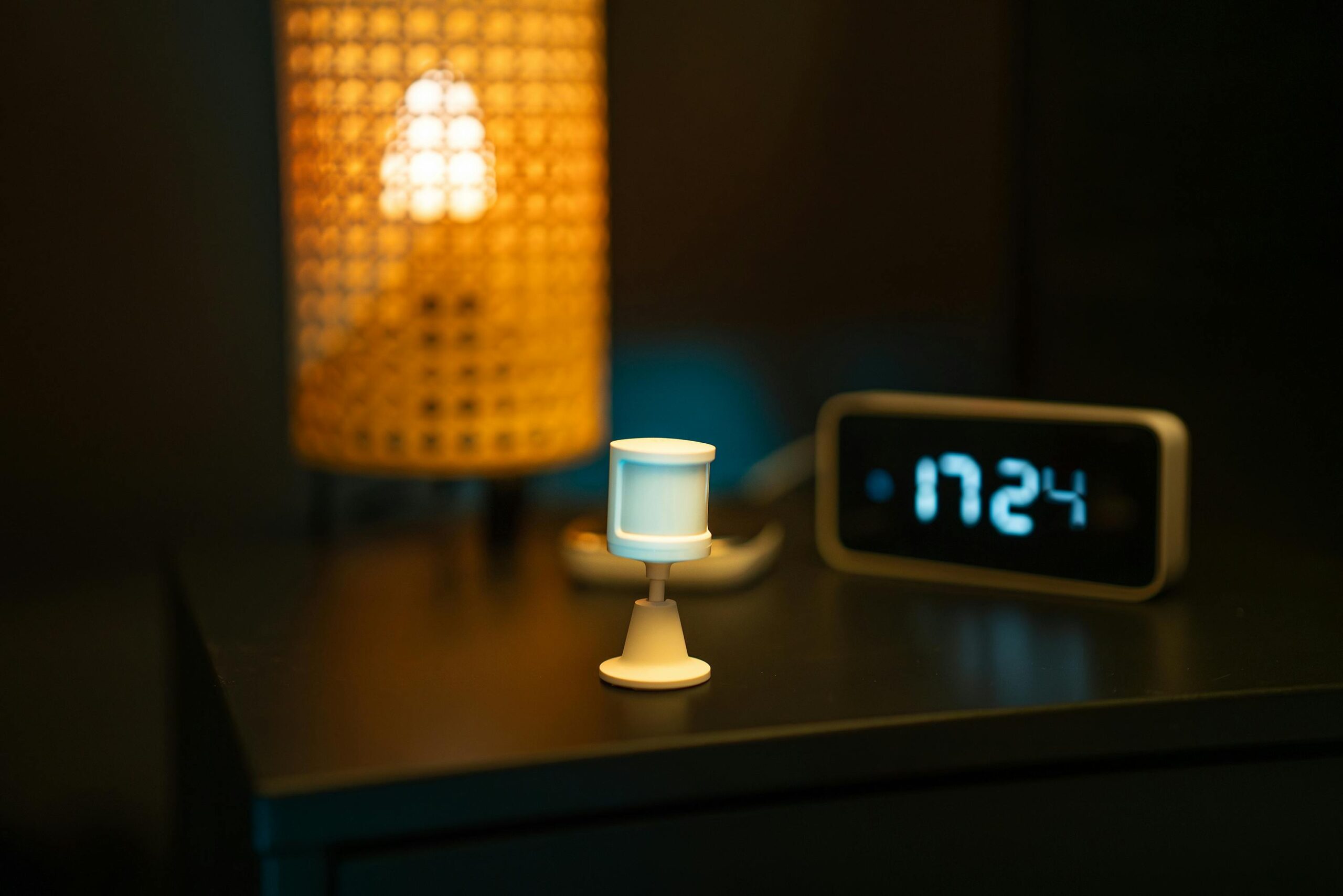
The connectivity layer enables these distributed sensors to communicate effectively. Modern implementations typically use low-power wireless protocols like Zigbee, LoRaWAN, or Bluetooth Low Energy. These technologies allow sensors to operate for years on battery power while maintaining reliable communication across large building spaces.
Data Processing and Analytics Platforms
Raw sensor data becomes valuable only when properly processed and analyzed. Advanced analytics platforms aggregate information from hundreds or thousands of sensors, applying algorithms that identify patterns, detect anomalies, and generate actionable insights. Machine learning models can predict comfort issues before they occur, enabling preemptive adjustments that maintain optimal conditions.
Cloud-based platforms have become increasingly popular for comfort mapping applications. They offer scalability, remote access, and sophisticated analytical capabilities without requiring extensive on-premise infrastructure. However, edge computing solutions that process data locally are gaining traction for applications requiring minimal latency or enhanced data privacy.
📊 Real-Time Comfort Mapping Methodologies
Creating accurate comfort maps requires more than simply collecting sensor data. Advanced systems employ spatial interpolation techniques that estimate conditions between sensor locations, generating continuous comfort surfaces across entire floors or buildings. These maps update continuously as new data arrives, reflecting changing conditions throughout the day.
Visualization plays a crucial role in making comfort data accessible and actionable. Heat maps color-coded by comfort level allow facility managers to quickly identify problem areas. Historical data overlays reveal patterns and trends that inform long-term optimization strategies. Three-dimensional models can show how comfort varies across different floors and zones simultaneously.
The temporal dimension adds another layer of complexity and value. Comfort requirements change throughout the day as occupancy patterns shift and external conditions vary. Advanced systems track these temporal patterns, learning when and where comfort issues typically arise and adjusting proactively to prevent discomfort before it occurs.
Personalization Through Mobile Integration
Modern comfort mapping increasingly incorporates personal preferences and subjective feedback. Mobile applications allow occupants to report their comfort levels, providing crucial human-centered data that complements objective sensor measurements. This combination of quantitative and qualitative data creates more nuanced comfort models that better reflect actual human experience.
Some systems enable individuals to set personal comfort preferences within defined ranges. The system then attempts to optimize conditions for each person’s location, balancing individual preferences against energy efficiency and the needs of other occupants. This personalized approach significantly improves satisfaction while maintaining operational efficiency.
🏢 Implementation Strategies for Different Building Types
Office environments present unique challenges and opportunities for comfort mapping. Open-plan offices require extensive sensor coverage to account for varying conditions across large spaces. Individual offices and conference rooms need targeted monitoring to ensure comfort during occupied periods while conserving energy when vacant. Advanced systems can track occupancy patterns and adjust accordingly.
Healthcare facilities demand exceptional precision in comfort control. Patient rooms require stable conditions conducive to recovery, while operating rooms need precise temperature and humidity control. Sensor networks in healthcare settings often integrate with broader building management systems, ensuring comfort objectives align with clinical requirements and infection control protocols.
Educational institutions face dynamic occupancy patterns with classrooms filling and emptying throughout the day. Comfort mapping systems in schools must respond rapidly to changing conditions while operating within often-constrained budgets. The focus typically emphasizes learning environment optimization, recognizing that comfort directly impacts student attention and performance.
Retail and Hospitality Applications
Retail spaces use comfort mapping to enhance customer experience and drive purchasing behavior. Studies consistently show that comfortable shoppers spend more time browsing and make larger purchases. Sensor networks help retailers maintain optimal conditions across diverse spaces from busy sales floors to quieter fitting rooms.
Hotels and resorts represent premium applications where guest comfort directly impacts brand reputation and revenue. Advanced properties deploy comprehensive sensor networks that monitor guest rooms, public spaces, and outdoor areas. Integration with reservation systems allows pre-conditioning rooms before guest arrival, creating immediately positive first impressions.
⚡ Energy Efficiency and Sustainability Benefits
Perhaps the most compelling argument for sensor-based comfort mapping is the potential for dramatic energy savings. Traditional building systems often over-condition spaces, maintaining comfortable conditions in vacant areas or overcooling to address hot spots that affect only small portions of larger zones. Real-time comfort mapping enables precise, targeted environmental control that eliminates this waste.
Studies indicate that intelligent comfort systems can reduce HVAC energy consumption by 20-40% compared to conventional approaches. These savings result from multiple mechanisms: eliminating over-conditioning, optimizing equipment operation based on actual demand, and identifying inefficiencies that would otherwise go unnoticed.
The sustainability impact extends beyond direct energy savings. Reduced energy consumption decreases carbon emissions and environmental impact. Extended equipment life resulting from optimized operation reduces material waste and replacement costs. Many organizations pursuing green building certifications find that comprehensive comfort mapping systems help achieve required performance standards.
Predictive Maintenance and System Optimization
Sensor networks provide continuous monitoring that identifies equipment problems early, often before occupants notice any comfort degradation. An HVAC unit developing refrigerant leaks will show declining cooling capacity in sensor data. Failing fans or dampers create characteristic patterns in airflow and temperature distribution. Early detection enables repairs during scheduled maintenance rather than emergency interventions.
Long-term data collection reveals opportunities for system optimization that wouldn’t be apparent from periodic inspections. Analysis might show that certain zones consistently require more heating or cooling, indicating insulation problems or design inefficiencies. Equipment operation patterns can be refined based on actual performance data rather than theoretical specifications.
🛡️ Privacy and Security Considerations
As comfort mapping systems become more sophisticated, privacy concerns naturally arise. Occupancy sensors and mobile app integrations potentially reveal sensitive information about individual locations and behaviors. Responsible implementations address these concerns through careful system design and transparent data policies.
Anonymization techniques can separate comfort data from personally identifiable information. Rather than tracking individuals, systems monitor zones or aggregate occupancy without linking data to specific people. Clear policies should define what data is collected, how long it’s retained, and who can access it. Occupants should understand how comfort systems use their information and have options to control personal data sharing.
Cybersecurity represents another critical consideration. Sensor networks connect to building management systems that control physical infrastructure. Compromised systems could potentially disrupt operations or access sensitive organizational data. Robust security practices including network segmentation, encryption, regular updates, and access controls are essential for any comfort mapping implementation.
🚀 Emerging Technologies and Future Developments
The field of comfort mapping continues evolving rapidly as new technologies emerge. Artificial intelligence and machine learning algorithms grow increasingly sophisticated, enabling systems that truly learn and adapt to occupant preferences. These systems will predict individual comfort needs with remarkable accuracy, adjusting environments proactively rather than reactively.
Integration with wearable devices represents an exciting frontier. Smartwatches and fitness trackers already monitor physiological indicators like heart rate and skin temperature. Future comfort systems might incorporate this biometric data, creating truly personalized environments that respond to individual physiology rather than just environmental conditions.
Advanced sensor technologies promise even richer data collection. Thermal imaging cameras can provide detailed temperature mapping without requiring extensive sensor installations. Acoustic analysis can identify airflow issues by detecting characteristic sounds. Chemical sensors might detect volatile organic compounds and other contaminants affecting air quality.
Internet of Things and Smart Building Integration
Comfort mapping systems increasingly integrate with broader smart building platforms. IoT ecosystems connect comfort management with lighting control, security systems, energy management, and space utilization tracking. This holistic approach enables optimization across multiple objectives simultaneously, finding ideal balances between comfort, efficiency, security, and functionality.
Digital twin technology creates virtual replicas of physical buildings, simulating how changes will affect comfort before implementation. Engineers can test different sensor placements, HVAC configurations, or control strategies in the digital environment, optimizing designs before deploying physical systems. These simulations dramatically reduce implementation risk and accelerate optimization.
💡 Best Practices for Successful Implementation
Successful comfort mapping implementations begin with clear objectives. Organizations should define what they hope to achieve—improved occupant satisfaction, energy savings, better space utilization, or some combination. Clear goals guide system design decisions and provide metrics for measuring success.
Sensor placement requires careful planning. Coverage must be sufficient to capture spatial variation without deploying unnecessary sensors. High-priority areas like conference rooms or individual offices often warrant denser sensor coverage than storage spaces or corridors. Professional assessment considering building layout, HVAC zones, and occupancy patterns ensures optimal sensor distribution.
Pilot programs allow organizations to test comfort mapping on a limited scale before building-wide deployment. A single floor or zone can demonstrate benefits and reveal challenges in a controlled environment. Lessons learned during pilots inform broader implementation strategies and help refine approaches before major investments.
Training and Change Management
Technology alone doesn’t guarantee success. Facility managers and building operators need training to understand system capabilities and interpret comfort data effectively. Occupants benefit from education about how systems work and how they can provide feedback. Clear communication about privacy protections and data usage builds trust and encourages participation.
Change management processes help organizations adapt to new approaches. Traditional building operation relied heavily on experience and intuition. Data-driven comfort mapping requires different skills and mindsets. Supporting staff through this transition with adequate training, resources, and patience ensures systems deliver intended benefits.
🌟 Measuring Success and Continuous Improvement
Quantifying comfort mapping benefits requires appropriate metrics. Occupant satisfaction surveys provide direct feedback on whether systems improve perceived comfort. Energy consumption data demonstrates efficiency gains. Maintenance records can show whether predictive approaches reduce emergency repairs and extend equipment life.
Successful organizations treat comfort mapping as an ongoing optimization process rather than a one-time implementation. Regular analysis of performance data identifies opportunities for refinement. Seasonal adjustments account for changing weather patterns. Organizational changes like office reconfigurations or occupancy shifts may require sensor redeployment or algorithm updates.
Benchmarking against industry standards and similar facilities provides context for performance evaluation. Various organizations publish energy use intensity metrics and comfort standards for different building types. Comparing internal performance against these benchmarks highlights strengths and reveals improvement opportunities.
🎯 Maximizing Your Comfort Investment Returns
The value proposition for sensor-based comfort mapping continues strengthening as technology costs decline and capabilities expand. Organizations investing in these systems gain competitive advantages through enhanced occupant satisfaction, reduced operating costs, and improved sustainability performance. The most successful implementations view comfort mapping not as an isolated technology but as part of a comprehensive strategy for building intelligence and optimization.
As we move forward, comfort will increasingly be recognized as a critical factor in building performance. Whether in offices affecting productivity, healthcare facilities supporting patient recovery, or retail spaces influencing purchasing behavior, environmental comfort directly impacts outcomes that matter. Sensor networks providing real-time comfort mapping represent essential infrastructure for buildings designed to support human wellbeing and organizational success.
The future promises even more sophisticated systems that seamlessly blend technology with human needs, creating environments that adapt intuitively to occupants while operating with maximum efficiency. Organizations beginning their comfort mapping journey today position themselves to benefit from ongoing innovations while immediately capturing substantial improvements in both comfort and operational performance.