
High-rise luxury living represents the pinnacle of modern urban comfort, where sophisticated design meets intelligent space planning to create extraordinary residential experiences.

The evolution of luxury apartment living has transformed dramatically over the past decade. Today’s discerning residents demand more than just premium finishes and impressive views—they seek homes that adapt to their lifestyle through thoughtful spatial design and intelligent mapping of living areas. Understanding how to effectively map and optimize high-rise luxury spaces has become the cornerstone of ultimate comfort in vertical living.
Modern high-rise developments are architectural marvels that require careful consideration of every square foot. The concept of mapping in luxury residential design goes far beyond simple floor plans; it encompasses flow patterns, natural light optimization, acoustic zones, and the strategic placement of amenities that transform an apartment into a sanctuary above the clouds.
🏗️ The Foundation of Intelligent Space Mapping
Successful high-rise luxury living begins with understanding the fundamental principles of spatial mapping. Unlike traditional ground-level residences, vertical homes present unique opportunities and challenges that require specialized approaches to design and functionality.
The primary consideration in luxury high-rise mapping is the relationship between private and social spaces. Open floor plans have dominated contemporary design, but the most successful luxury residences incorporate flexible zones that can transform based on resident needs. This dynamic approach allows for intimate family dinners one evening and sophisticated entertaining the next, all within the same thoughtfully mapped space.
Natural light pathways form another critical component of high-rise spatial mapping. Luxury developments leverage their elevated positions to maximize sunlight exposure throughout the day. Strategic window placement, combined with intelligent interior mapping, ensures that natural illumination reaches deep into living spaces, reducing reliance on artificial lighting and creating healthier, more inviting environments.
Vertical Living Zones: Creating Hierarchy in the Sky
Premium high-rise residences benefit from establishing clear hierarchies within their spatial layout. The entrance zone sets the tone, transitioning residents and guests from public corridors into private sanctuary. This threshold space, though often compact in high-rise designs, carries enormous psychological weight in defining the living experience.
Moving inward, the social core typically occupies prime real estate with optimal views and natural light. Living rooms, dining areas, and open kitchens form the heart of luxury high-rise living, where mapping expertise ensures seamless flow and visual continuity. The most successful designs create what designers call “view corridors”—strategic sight lines that connect interior spaces with the dramatic urban or natural landscapes beyond.
Private zones, including bedrooms and personal studies, require careful acoustic and visual isolation even within open-plan designs. Advanced mapping techniques incorporate sound-dampening materials, strategic door placement, and transition zones that gradually shift from public to private atmospheres.
🌆 Maximizing Views Through Strategic Layout Design
One of the most valuable assets in high-rise luxury living is the view, and intelligent mapping ensures every resident maximizes this premium feature. View optimization requires more than simply facing windows toward attractive vistas—it demands comprehensive consideration of furniture placement, room function, and daily living patterns.
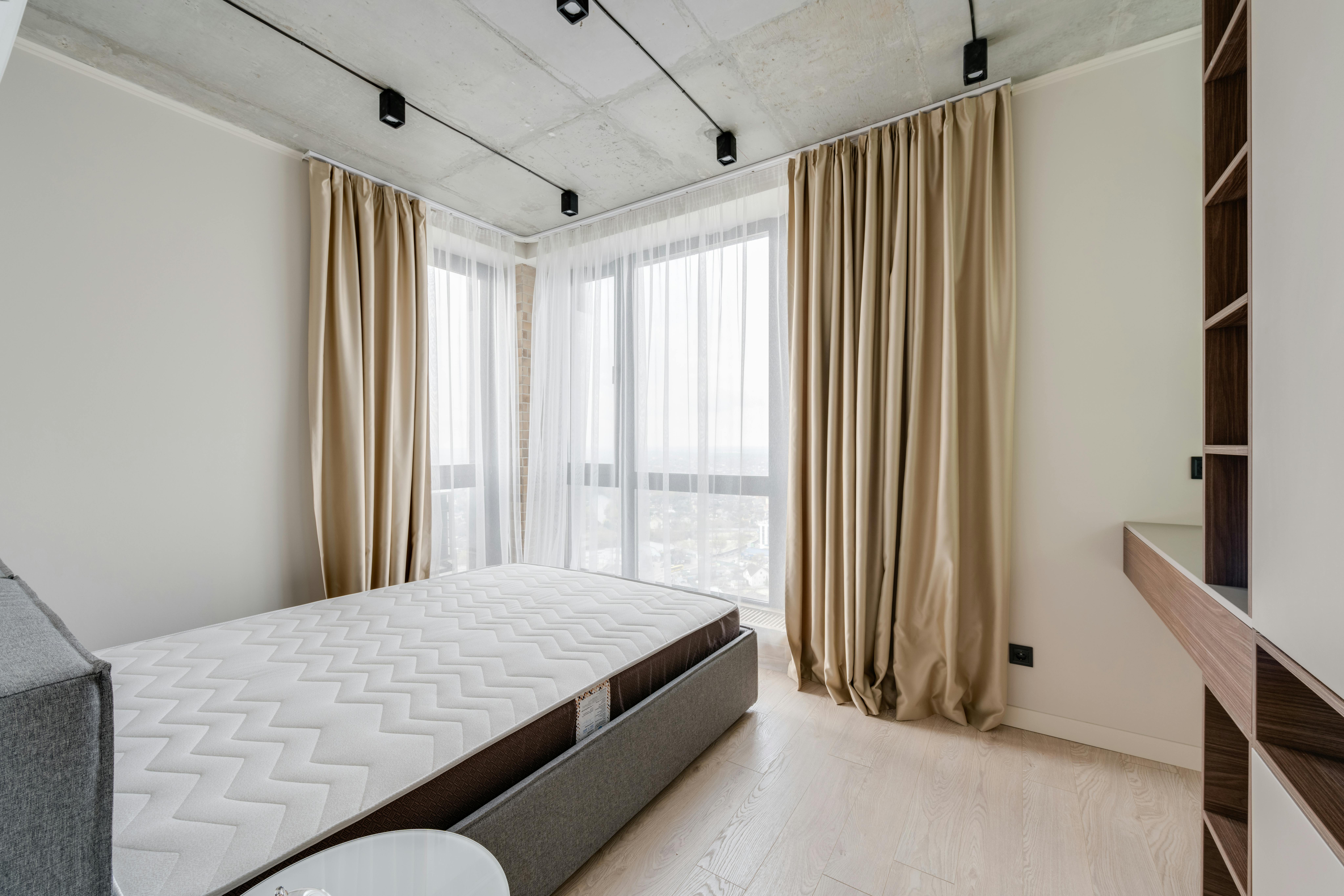
The most successful luxury high-rises map their layouts to create multiple view experiences throughout the day. Morning sunrise views from bedroom windows energize residents as they begin their day, while living areas oriented toward sunset vistas provide evening relaxation opportunities. Corner units, particularly prized in luxury developments, allow for multi-directional view mapping that creates dynamic visual experiences throughout the residence.
Floor-to-ceiling windows have become standard in premium high-rise developments, but their placement and proportion require sophisticated mapping strategies. Excessive glazing can create uncomfortable thermal conditions and glare issues, while insufficient windows leave interiors feeling disconnected from their elevated surroundings. The balance lies in strategic mapping that frames views like living artwork while maintaining comfortable interior conditions.
Balcony Integration and Outdoor Living Zones
Outdoor spaces in high-rise luxury residences represent precious commodities that extend living areas into the sky. Mapping these transitional zones requires understanding wind patterns, sun exposure, and visual privacy considerations unique to vertical living.
The most innovative luxury developments treat balconies and terraces as true outdoor rooms rather than afterthought spaces. Thoughtful mapping incorporates weather protection, outdoor heating and cooling systems, and furniture zones that create functional extensions of interior living areas. Some premium residences even map outdoor kitchens and dining areas into their balcony designs, dramatically expanding entertaining possibilities.
🎯 Technology Integration in Modern Luxury Mapping
Contemporary high-rise luxury living increasingly relies on smart home technology, and successful spatial mapping must accommodate these systems from the design phase. Technology infrastructure—including networking equipment, control panels, and sensor arrays—requires dedicated space and strategic placement to function optimally without compromising aesthetic values.
Smart home mapping considers the placement of speakers, cameras, climate sensors, and lighting controls throughout the residence. The goal is invisible integration: technology that enhances comfort and convenience without visual intrusion. Built-in charging stations, concealed entertainment systems, and integrated automation panels become part of the architectural fabric rather than aftermarket additions.
Modern luxury residences also incorporate wellness technology monitoring systems that track air quality, humidity, and even circadian lighting patterns. Mapping these systems requires coordination between architects, interior designers, and technology specialists to create homes that actively support resident health and wellbeing.
🛋️ Furniture Planning and Traffic Flow Optimization
Even the most beautifully designed high-rise residence falls short of luxury standards if furniture placement creates awkward traffic patterns or uncomfortable living zones. Professional spatial mapping includes detailed furniture planning that considers scale, proportion, and movement through spaces.
High-rise luxury apartments often feature more compact footprints than suburban mansions, making every inch of planning crucial. Furniture mapping ensures adequate circulation space—typically 36 to 42 inches—around key pieces while maintaining visual balance and functional comfort. The strategic placement of anchor furniture pieces defines activity zones without requiring physical barriers.
Custom built-in solutions represent another key element of luxury high-rise mapping. Built-in shelving, window seats, and storage systems maximize space efficiency while creating architectural interest. These integrated elements should be mapped during initial design phases to ensure proper structural support and seamless aesthetic integration.
Creating Multifunctional Spaces in Luxury Settings
The most sophisticated luxury high-rise residences incorporate multifunctional spaces that adapt to changing needs. A home office might transform into a guest suite, or a dining room might convert into a private gallery space. Mapping these flexible zones requires foresight in structural design, utility placement, and furniture selection.
Murphy beds, pocket doors, and movable partitions allow luxury spaces to shift personalities throughout the day. The key lies in mapping these transformations during the design phase, ensuring that each configuration maintains luxury standards and functional integrity.
💎 Material Selection and Sensory Mapping
True luxury in high-rise living extends beyond visual aesthetics to encompass all sensory experiences. Material mapping considers how surfaces feel underfoot, how natural and artificial light reflects off finishes, and how acoustic properties affect the sound environment throughout the residence.
Flooring materials create foundational sensory experiences in luxury spaces. Hardwood, natural stone, and premium tile each offer distinct acoustic, thermal, and tactile properties. Sophisticated mapping incorporates different flooring materials to define zones—plush carpet in bedrooms for warmth and sound absorption, stone in high-traffic areas for durability, and hardwood in social spaces for visual warmth and acoustic clarity.
Wall treatments similarly contribute to sensory mapping. Textured wallcoverings, acoustic panels disguised as decorative elements, and strategic use of reflective and matte surfaces create depth and interest while serving functional purposes. Luxury residences layer materials thoughtfully, creating rich sensory experiences without visual chaos.
🍳 Kitchen and Service Area Optimization
The kitchen has evolved into the social heart of luxury residences, requiring sophisticated mapping that balances culinary function with entertaining capacity. Modern luxury high-rise kitchens often incorporate dual work zones—a main chef’s kitchen and a secondary prep or catering area—allowing serious cooking while maintaining guest interaction.
Storage mapping in luxury kitchens extends far beyond standard cabinetry. Wine storage, temperature-controlled drawers, and dedicated appliance garages require careful spatial planning. The most successful designs incorporate walk-in pantries or butler’s pantries that handle storage and meal prep away from social sight lines.
Service areas, including laundry rooms and utility spaces, receive equal mapping attention in true luxury residences. These functional zones require adequate space for premium appliances, folding areas, and storage while maintaining convenient access to bedrooms and closets. Some luxury high-rises even incorporate dedicated package delivery rooms or mudroom-style entry areas for service access.
🛁 Spa-Inspired Bathroom Mapping
Luxury high-rise bathrooms represent private wellness sanctuaries that require meticulous spatial planning. Master bathroom mapping in premium residences often allocates square footage comparable to secondary bedrooms, incorporating separate zones for bathing, showering, grooming, and relaxation.
The most sophisticated bathroom designs create spa-like experiences through strategic placement of statement bathtubs near windows with views, rainfall shower systems with body jets, and dedicated makeup and grooming stations with optimal lighting. Double vanities should be mapped with adequate spacing between users, typically 30 to 36 inches, maintaining luxury comfort even during shared morning routines.
Water closet separation represents another hallmark of luxury bathroom mapping, providing privacy within shared spaces. Advanced designs incorporate soundproofing and ventilation considerations that maintain comfort without compromising aesthetic continuity.
🎨 Aesthetic Continuity and Visual Flow Mapping
Successful luxury high-rise living creates visual narratives that flow seamlessly from room to room. Color palettes, material choices, and design elements should relate harmoniously even as they define distinct spaces. This visual mapping prevents the disjointed feeling that can result from treating each room as an isolated project.
Sight lines play a crucial role in aesthetic mapping. Strategic placement of architectural features, artwork, and focal points creates visual interest that draws the eye through spaces. The view through doorways and passages should reveal carefully composed vignettes that enhance the sense of spaciousness and luxury.
Lighting design forms the final layer of aesthetic mapping, with different lighting types serving specific functions throughout the residence. Ambient lighting establishes overall illumination levels, task lighting supports specific activities, and accent lighting highlights architectural features and artwork. Layering these lighting types creates flexible environments that adapt to different times of day and activities.
🌿 Bringing Nature into High-Rise Luxury Spaces
Despite their elevated positions, luxury high-rises increasingly incorporate biophilic design principles that connect residents with natural elements. Mapping these organic touches requires consideration of light exposure, irrigation systems, and maintenance access.
Living walls or vertical gardens create dramatic focal points while improving air quality and acoustic comfort. These installations require structural support, waterproofing, and lighting systems mapped during initial design phases. Smaller-scale plant integration through windowsill gardens, planter boxes, and strategically placed containers brings nature into daily living without major infrastructure requirements.
Natural materials—wood, stone, leather, and organic textiles—reinforce biophilic connections throughout mapped spaces. The most successful luxury residences balance these natural elements with contemporary finishes, creating environments that feel both grounded and sophisticated.
🔐 Privacy and Security Mapping Considerations
Luxury high-rise living demands sophisticated privacy and security mapping that protects residents without creating fortress-like atmospheres. Visual privacy from neighboring buildings requires strategic window placement and treatment options, particularly in dense urban environments where tower proximity can compromise personal space.
Internal privacy mapping ensures that bedroom and bathroom zones remain visually and acoustically separated from social areas. Strategic placement of hallways, closets, and buffer zones creates natural sound barriers without requiring specialized acoustic treatments.
Security system integration should be mapped comprehensively, incorporating door and window sensors, interior and exterior cameras, and access control systems. These elements work most effectively when planned during initial design phases, allowing concealed wiring and aesthetically integrated components.
🌟 Personalization Within Structured Luxury Frameworks
While developers provide architectural frameworks and basic spatial mapping, ultimate luxury comes from personalization opportunities that reflect individual tastes and lifestyles. The most successful high-rise residences offer customization options during construction phases, allowing residents to influence room configurations, finish selections, and built-in features.
Personal collections—whether art, books, wine, or memorabilia—require dedicated display and storage mapping. Custom shelving systems, gallery walls, and climate-controlled storage areas transform personal possessions into integrated design elements rather than clutter.
Hobby and interest areas represent another personalization opportunity in luxury mapping. Home theaters, music rooms, fitness areas, and craft studios can be carved from flexible spaces or incorporated into initial designs. The key lies in understanding lifestyle priorities during the mapping phase, ensuring adequate space, utilities, and structural support for specialized uses.
🎭 The Future of High-Rise Luxury Living Mapping
Emerging technologies and evolving lifestyle preferences continue reshaping how we map luxury high-rise residences. Virtual reality design tools now allow residents to experience mapped spaces before construction begins, facilitating more informed decision-making and reducing costly changes.
Sustainability considerations increasingly influence luxury mapping decisions. Energy-efficient layouts that minimize conditioning costs, water conservation systems, and renewable material selections represent the new standard in premium developments. These environmental considerations integrate seamlessly with luxury standards, proving that comfort and consciousness coexist beautifully.
Wellness-focused mapping represents another emerging trend, with luxury residences incorporating dedicated meditation spaces, home gyms, and even indoor gardens or therapy rooms. These health-centered zones reflect growing recognition that true luxury supports physical and mental wellbeing.
The ultimate comfort in high-rise luxury living stems from masterful spatial mapping that anticipates needs, optimizes resources, and creates environments that feel both expansive and intimate. By understanding the principles of intelligent design—from view optimization and traffic flow to sensory experiences and personalization opportunities—residents can transform elevated apartments into extraordinary homes that rival any ground-level luxury residence. The key lies in recognizing that every square foot matters, every sight line creates impact, and every design decision contributes to the comprehensive living experience. When executed with expertise and vision, high-rise luxury mapping delivers not just beautiful spaces but truly exceptional lifestyles suspended among the clouds.