High-rise living presents unique challenges when creating a comfortable, personalized sanctuary. Understanding comfort mapping strategies transforms apartment living into a thoughtfully designed oasis above the skyline.

🏙️ Understanding Comfort Mapping in Vertical Living Spaces
Comfort mapping is the strategic process of analyzing and optimizing every zone within your high-rise residence based on sensory experiences, functional needs, and personal preferences. Unlike traditional homes with expansive horizontal layouts, vertical living demands a more intentional approach to space utilization and environmental comfort control.
The concept extends beyond simple interior design. It encompasses thermal comfort zones, acoustic privacy areas, natural light penetration patterns, air quality considerations, and the psychological impact of living at elevation. Each factor interacts with your daily routines, influencing everything from sleep quality to productivity levels and overall wellbeing.
Modern high-rise residents increasingly recognize that cookie-cutter apartment layouts rarely align with individual lifestyle requirements. Comfort mapping empowers you to identify micro-environments within your space and customize them according to specific activities and times of day. This personalized approach creates distinct experiential zones that enhance both functionality and emotional satisfaction.
Thermal Zoning: Creating Your Climate-Perfect Environment
Temperature variations in high-rise apartments can be dramatic and counterintuitive. Upper floors often experience more intense solar heat gain through expansive windows, while ground-level units may feel cooler and damper. Corner units face exposure from multiple directions, creating unique thermal challenges that demand specialized comfort mapping strategies.
Begin by conducting a 24-hour temperature audit of your space. Document temperature fluctuations in different rooms and zones throughout the day. Morning eastern exposures might be pleasant initially but become uncomfortably warm by afternoon. Western windows typically create intense evening heat that disrupts sleep quality. Northern exposures offer consistent, diffused light with minimal thermal variation.
Smart thermostats and zone-based climate control systems represent essential tools for optimizing comfort in high-rise environments. Unlike single-zone systems, multi-zone solutions allow independent temperature regulation in different areas. You might maintain cooler sleeping quarters while keeping living spaces warmer during evening entertainment hours.
Window Treatment Strategies for Temperature Control
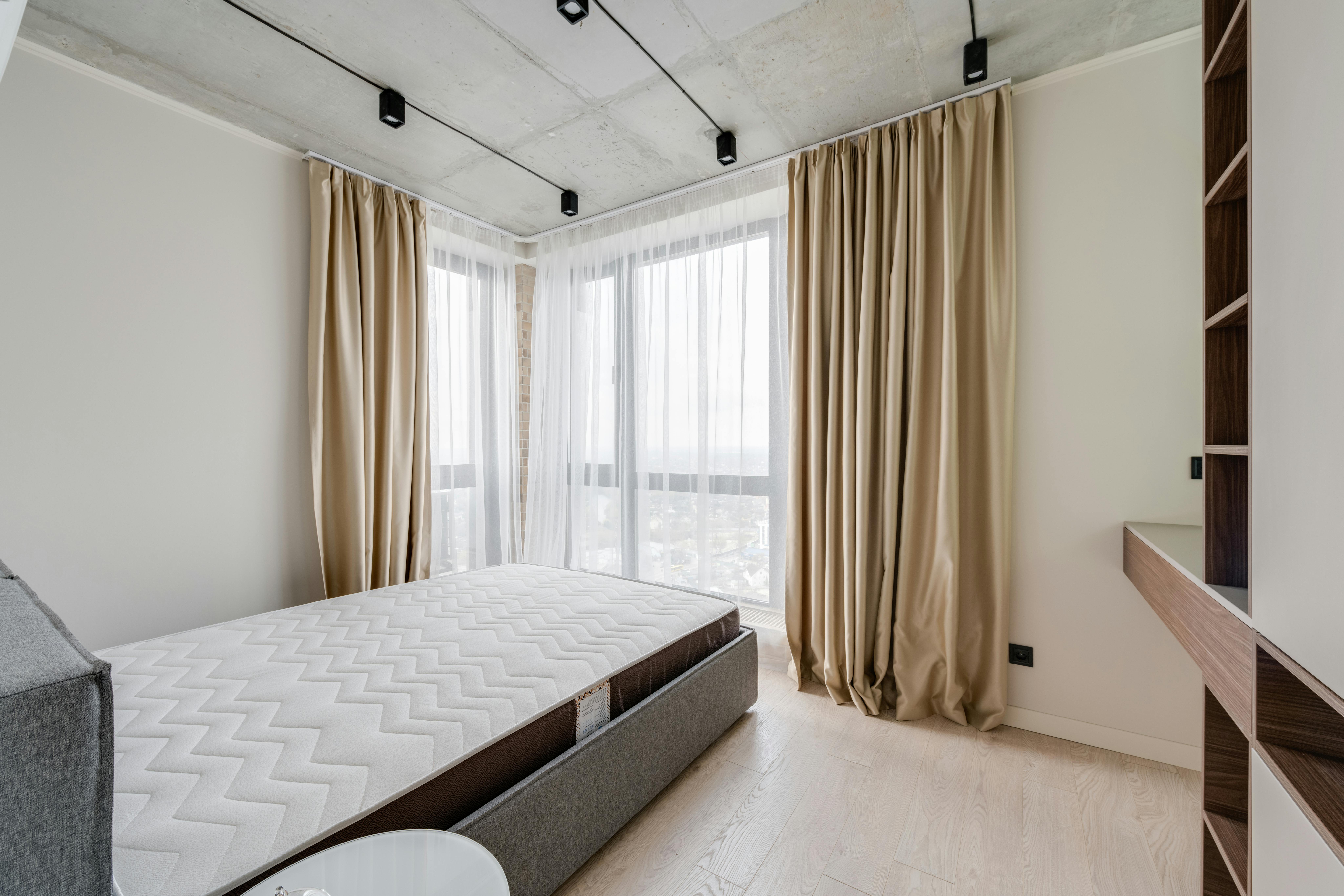
Your window treatments serve as the first line of defense against unwanted thermal gain or loss. Layered approaches work best in high-rise settings where dramatic temperature swings occur throughout the day. Combining sheer curtains for light diffusion with blackout cellular shades provides flexible control over both illumination and insulation.
Reflective window films offer another effective solution, particularly for western and southern exposures. These specialized coatings reduce solar heat gain by up to 80% while maintaining transparency and views. The investment pays dividends through reduced cooling costs and enhanced thermal comfort during peak sunshine hours.
🌅 Natural Light Optimization and Circadian Rhythm Design
High-rise living offers unprecedented access to natural light, yet this abundance requires thoughtful management to support healthy circadian rhythms and visual comfort. Light mapping involves tracking how sunlight moves through your space throughout the day and across seasons, then designing zones that leverage or mitigate these patterns.
Morning exposure to bright, blue-spectrum light supports alertness and sets your biological clock for optimal sleep-wake cycles. Position your bedroom or morning routine areas to capture eastern light when possible. Conversely, evening spaces benefit from warmer, amber-toned lighting that promotes melatonin production and prepares your body for rest.
Glare management becomes critical in spaces with floor-to-ceiling windows. Direct sunlight striking reflective surfaces creates visual discomfort and reduces screen visibility for work-from-home setups. Strategic furniture placement, anti-glare screens, and adjustable window treatments help you maintain optimal visibility while preserving those spectacular views that drew you to high-rise living initially.
Creating Light Transition Zones
Human eyes require time to adjust between dramatically different light levels. Design transition zones between bright, window-adjacent areas and interior spaces with ambient lighting. These buffer zones might include partially shaded reading nooks, gallery walls with accent lighting, or plant-filled corners that naturally diffuse incoming light while adding biophilic elements to your environment.
Acoustic Comfort Mapping: Soundscape Design for Urban Elevation
Sound behaves differently at elevation. While high-rise residents escape street-level traffic noise, they encounter unique acoustic challenges including wind turbulence against building facades, mechanical system vibrations, and sound transmission through shared walls and floors. Acoustic comfort mapping identifies problem areas and implements targeted solutions for each zone.
Start with a sound audit during different times and days. Note traffic patterns during rush hours, neighboring activity levels during evenings and weekends, and mechanical system noise cycles. High-frequency sounds like conversations and television audio travel differently than low-frequency bass vibrations from music systems or footsteps from above.
Strategic furniture placement provides substantial acoustic benefits. Bookshelves filled with varied-depth books create excellent sound diffusion and absorption. Upholstered furniture, heavy curtains, and area rugs significantly reduce sound reflection and reverberation, creating more intimate acoustic environments within open-concept layouts.
White Noise and Sound Masking Solutions
Active sound management complements passive acoustic treatments. White noise machines or apps generating natural soundscapes effectively mask intermittent disturbances from neighbors or building systems. These ambient backgrounds create acoustic privacy without complete silence, which many find unsettling in urban environments.
🌿 Air Quality Zones: Breathing Life into Your High-Rise Oasis
Air quality profoundly impacts comfort, yet it remains invisible and often overlooked in residential design. High-rise apartments face unique air quality challenges including limited ventilation options, concentrated off-gassing from materials in relatively compact spaces, and varying outdoor air quality depending on elevation and proximity to pollution sources.
Create distinct air quality zones based on activity and occupancy duration. Bedrooms deserve premium air quality strategies since you spend approximately one-third of your life sleeping. Position HEPA air purifiers in sleeping areas, running them on low settings throughout the night to maintain clean air without disruptive noise.
Living areas and home offices benefit from plants that actively filter airborne contaminants. Snake plants, pothos, peace lilies, and spider plants effectively remove volatile organic compounds while adding biophilic design elements. Group plants strategically to create green zones that serve as both functional air filters and visual comfort elements.
Ventilation Strategies for Sealed Environments
Many high-rises feature sealed windows for climate control efficiency, limiting natural ventilation options. This makes mechanical ventilation systems critical for maintaining healthy air exchange rates. Ensure your HVAC filters receive regular replacement—monthly during peak usage seasons—and consider upgrading to higher-MERV-rated filters for enhanced particulate capture.
View Optimization: Maximizing Your Vertical Advantage
Spectacular views represent one of high-rise living’s greatest assets, yet their psychological impact requires thoughtful integration into your comfort mapping strategy. Views provide stress reduction, improved mood, and enhanced cognitive function when properly incorporated into daily routines and activity zones.
Position primary activity areas—workspaces, dining tables, and relaxation zones—to capture optimal view corridors. However, balance view access with task requirements. Workstations facing directly outward may cause distraction, while angled positioning provides peripheral view access without compromising focus.
Consider view variety throughout your space. If your apartment offers multiple exposures, leverage their distinct characteristics. Urban skyline views might energize your morning routine or social spaces, while more distant, natural horizons promote calm in meditation or reading areas. Even views of neighboring buildings provide visual interest and connection to the broader urban fabric.
🛋️ Functional Zone Creation for Multi-Purpose Living
High-rise apartments typically feature open-concept layouts requiring intentional zone definition without permanent walls. Successful comfort mapping creates distinct functional areas that support different activities while maintaining spatial flow and preserving that coveted sense of openness.
Furniture arrangement serves as the primary tool for zone definition. Area rugs anchor distinct spaces within open floors, providing both visual boundaries and acoustic benefits. Bookcases, console tables, and strategically positioned seating create implied boundaries that guide movement patterns without obstructing sightlines or light penetration.
Lighting design reinforces functional zones through layered illumination strategies. Each zone requires three lighting types: ambient lighting for general visibility, task lighting for specific activities, and accent lighting for mood and visual interest. Independent control of each zone’s lighting creates flexibility for different times of day and activities.
Flexible Zone Design for Evolving Needs
Life circumstances change, and your comfort mapping should adapt accordingly. Design zones with flexibility in mind, using movable furniture pieces, modular storage systems, and adjustable lighting. What functions as a home office during working hours might transform into a yoga studio or entertainment area during evenings and weekends.
Technology Integration for Smart Comfort Management
Modern technology enables unprecedented control over comfort parameters throughout your high-rise oasis. Smart home systems integrate climate control, lighting, window treatments, and even air quality monitoring into unified platforms accessible from mobile devices or voice commands.
Smart thermostats learn your preferences and schedule, automatically adjusting temperatures for optimal comfort while maximizing energy efficiency. These systems account for factors like outdoor weather conditions, time of day, and occupancy patterns, creating personalized comfort profiles without constant manual adjustment.
Automated window shades respond to sun position and intensity, maintaining consistent indoor conditions throughout the day. Program them to open gradually for gentle morning wake-up routines, close during peak afternoon heat, and reopen for evening views as temperatures moderate.
Air quality monitors provide real-time feedback on particulate matter, volatile organic compounds, humidity, and carbon dioxide levels. These devices trigger automatic responses from purifiers, humidifiers, or ventilation systems, maintaining optimal breathing environments without conscious intervention.
🧘 Psychological Comfort: Designing for Mental Wellbeing
Physical comfort parameters alone don’t create a true oasis. Psychological comfort—feeling safe, relaxed, and emotionally nourished within your space—requires addressing less tangible factors including privacy gradients, personalization opportunities, and connection to nature despite urban elevation.
Privacy gradients move from public to intimate zones throughout your apartment. Entryways and living areas can feature more open, social character while bedrooms and personal spaces maintain greater seclusion. Visual screening through furniture placement, decorative room dividers, or strategic plant placement creates psychological boundaries even in open layouts.
Personalization transforms generic apartment spaces into deeply personal oases. Display meaningful objects, artwork that resonates with your experiences, and photographs that connect you to important relationships and memories. These elements create emotional anchoring points that make high-rise apartments feel genuinely like home rather than temporary accommodations.
Biophilic Design Elements for Urban Dwellers
Humans possess innate needs for connection with natural elements—a challenge in high-rise environments. Biophilic design strategies integrate nature through plants, natural materials like wood and stone, water features, and organic patterns. Even small implementations significantly impact stress reduction and overall psychological comfort.
Seasonal Adaptation: Year-Round Comfort Strategies
Your comfort mapping strategy shouldn’t remain static throughout the year. Seasonal changes dramatically affect light angles, temperature patterns, humidity levels, and even view characteristics. Successful high-rise dwellers develop seasonal adjustment protocols that maintain optimal comfort as conditions evolve.
Summer strategies emphasize heat rejection, glare control, and maximized air circulation. Deploy reflective window treatments during peak sunshine hours, increase air purifier usage to manage higher particulate levels, and adjust furniture arrangements to capture cooling cross-breezes if operable windows exist.
Winter approaches focus on heat retention, humidity maintenance, and maximizing precious daylight exposure. Open window treatments during sunny hours to capture solar heat gain, then close insulating layers at night. Introduce humidifiers to counteract dry heating systems, and reposition frequently-used zones toward southern exposures for maximum natural light during shorter days.
💡 Maintenance Routines for Sustained Comfort
Creating the perfect oasis represents just the beginning. Maintaining optimal comfort requires regular attention to systems, surfaces, and environmental factors that degrade over time without proper care.
Develop quarterly deep-cleaning protocols that address often-overlooked elements: window cleaning for maximum light transmission, air vent dusting to maintain efficient airflow, and baseboard heater or radiator cleaning for optimal heat distribution. These maintenance tasks directly impact comfort parameters you’ve carefully optimized.
Filter replacement schedules ensure your air quality systems continue performing effectively. Set calendar reminders for HVAC filter changes, air purifier filter replacements, and humidifier cleaning to prevent systems from becoming contaminant sources rather than remediation tools.
Seasonal system checkups identify potential issues before they compromise comfort. Test heating systems before winter arrives, verify air conditioning performance before summer heat waves, and ensure window seals remain intact to prevent drafts and energy waste.
Budget-Conscious Comfort Mapping Approaches
Creating a comfortable high-rise oasis doesn’t require unlimited resources. Strategic prioritization focuses investments where they deliver maximum comfort impact while implementing cost-effective solutions for secondary concerns.
Start with thermal comfort optimization since temperature dramatically affects perceived comfort and energy costs. Weather stripping around doors, window insulation film, and strategic curtain placement cost relatively little but deliver substantial benefits. These foundational improvements pay ongoing dividends through reduced utility expenses and enhanced comfort.
DIY acoustic treatments offer excellent value. Heavy curtains purchased during sales, strategically placed area rugs, and even decorative wall hangings significantly improve sound quality at minimal cost. Before investing in expensive acoustic panels, exhaust these accessible alternatives.
Gradual technology integration allows spreading costs while building toward comprehensive smart home comfort control. Begin with a smart thermostat—often subsidized by utility companies—then add smart lighting and window treatments as budget permits. This phased approach prevents overwhelming upfront expenses while steadily enhancing comfort management capabilities.
🌟 Crafting Your Personal Sanctuary Above the Streets
The perfect high-rise oasis emerges not from following prescribed formulas but from deeply understanding your personal comfort preferences and systematically addressing them through strategic comfort mapping. Your unique lifestyle, sensory sensitivities, daily rhythms, and aesthetic preferences should guide every decision from furniture placement to technology investments.
Document your space’s baseline conditions before implementing changes. Photograph current arrangements, note comfort complaints and environmental measurements, and track how you actually use different zones throughout typical weeks. This objective baseline enables measuring improvement and guides refinement as you develop your ideal living environment.
Embrace iterative refinement rather than expecting perfection immediately. Live with initial changes for several weeks before making additional adjustments. You’ll discover unexpected interactions between comfort elements—how window treatment changes affect both temperature and acoustics, or how furniture repositioning influences both functionality and perceived spaciousness.
Remember that comfort mapping remains an ongoing process rather than a completed project. As seasons change, life circumstances evolve, and you gain deeper understanding of your space, continue refining your approach. The high-rise oasis you create today will transform and improve as you develop increasingly sophisticated awareness of what comfort truly means in your vertical sanctuary above the urban landscape.