Structural design balances engineering precision with human needs, where cost efficiency meets occupant comfort to create spaces that are both economically viable and genuinely livable.

🏗️ The Foundation of Modern Structural Design Philosophy
The construction industry has evolved dramatically over the past decades, moving beyond the simple mandate of creating structures that merely stand upright. Today’s architects and engineers face a complex challenge: designing buildings that satisfy stringent budget constraints while delivering exceptional comfort and functionality to their occupants. This delicate equilibrium represents the cornerstone of successful structural design in the contemporary built environment.
When we examine the most celebrated buildings of our time, they share a common characteristic—they achieve harmony between fiscal responsibility and human experience. The Sydney Opera House, despite its construction controversies, ultimately demonstrated that innovative structural solutions could create iconic spaces. Similarly, modern sustainable buildings prove daily that cost-effective materials and methods can produce comfortable, energy-efficient environments.
Understanding the True Cost of Structural Systems
Cost in structural design extends far beyond initial construction expenses. A comprehensive understanding requires examining multiple financial dimensions that span the entire lifecycle of a building. Initial material costs represent just the tip of the financial iceberg.
Construction expenses include raw materials, labor, equipment rental, and project management. However, savvy developers and building owners increasingly recognize that operational costs over a building’s lifespan often dwarf initial construction investments. Energy consumption, maintenance requirements, and eventual renovation needs must factor into any honest cost analysis.
The Hidden Economics of Material Selection
Choosing between steel, concrete, timber, or composite materials involves complex calculations that go beyond per-unit pricing. Steel structures may command higher upfront costs but offer faster construction timelines, reducing labor expenses and enabling earlier occupancy. Concrete provides thermal mass that can significantly reduce heating and cooling costs over decades of operation.
Engineered timber products have emerged as compelling alternatives, offering sustainability credentials alongside competitive pricing. These materials sequester carbon, appeal to environmentally conscious tenants, and can achieve impressive structural spans while maintaining reasonable budgets.
⚖️ Defining Comfort in the Built Environment
Comfort encompasses multiple sensory and psychological dimensions that directly impact occupant satisfaction and productivity. Thermal comfort ranks among the most obvious considerations—maintaining appropriate temperatures throughout seasons without excessive energy consumption challenges designers worldwide.
Acoustic performance profoundly affects comfort, particularly in residential and office environments. Structural systems that incorporate sound-dampening properties or allow for effective acoustic treatments deliver measurably better occupant experiences. Floor vibration control, often overlooked during design phases, dramatically impacts perceived quality, especially in timber and long-span structures.
Natural Light and Spatial Quality
Structural systems fundamentally determine what’s possible with natural lighting and spatial openness. Column-free spaces with long structural spans create flexible floor plates that maximize natural light penetration and provide layout versatility. While these systems may increase structural costs, they often justify premiums through enhanced marketability and tenant satisfaction.
Ceiling heights, largely dictated by structural depth and mechanical system routing, significantly influence perceived spaciousness and comfort. Shallow structural systems enable taller ceilings within fixed building heights or reduce overall building height while maintaining comfortable interior proportions.
Strategic Approaches to Cost Optimization
Achieving cost efficiency without compromising comfort requires strategic thinking from a project’s earliest conceptual phases. Value engineering, when applied thoughtfully rather than as a crude cost-cutting exercise, identifies opportunities to reduce expenses while maintaining or even enhancing performance.
Modular and prefabricated construction methods have matured significantly, offering compelling cost advantages through factory-controlled quality and accelerated schedules. These approaches reduce weather-related delays, minimize site waste, and improve safety records—all translating to cost savings that can fund comfort-enhancing features.
Standardization with Customization
Repetitive structural bays and standardized connection details dramatically reduce engineering time, fabrication costs, and construction complexity. This standardization need not produce monotonous architecture; creative facade treatments and interior finishes can deliver visual variety while underlying structural systems benefit from economies of repetition.
Digital design tools enable engineers to rapidly analyze multiple structural configurations, identifying optimal solutions that balance material efficiency with performance requirements. Building Information Modeling (BIM) facilitates collaboration across disciplines, catching conflicts early when changes remain inexpensive rather than during construction when modifications carry heavy cost penalties.
🌡️ Integrating Passive Comfort Strategies
Structural design decisions profoundly influence passive heating, cooling, and ventilation potential. Thermal mass in concrete floor slabs and walls moderates temperature swings, absorbing excess heat during warm periods and releasing it when temperatures drop. This natural regulation reduces mechanical system loads and enhances comfort through more stable interior conditions.
Structural systems that accommodate operable windows and natural ventilation strategies provide occupants with environmental control while reducing energy consumption. External shading devices, when integrated with structural design rather than added as afterthoughts, control solar gain effectively while maintaining beneficial daylight access.
Material Properties and Thermal Performance
Different structural materials exhibit vastly different thermal properties that influence comfort and operating costs. Insulated concrete forms combine structural capacity with integrated insulation, delivering energy efficiency within the primary structural system. Cross-laminated timber provides both structural strength and favorable thermal characteristics while supporting carbon-neutral construction goals.
Thermal bridging through structural elements can undermine otherwise well-insulated building envelopes. Careful detailing of connections between structural systems and exterior walls prevents these weak points that compromise energy performance and create uncomfortable cold spots near perimeter areas.
Future-Proofing Through Adaptable Design
Buildings that remain economically viable across decades accommodate changing uses without major structural interventions. Designing for adaptability may increase initial structural costs slightly but dramatically extends building useful life and maintains market competitiveness as tenant needs evolve.
Adequate floor loading capacity allows residential buildings to convert to office use or vice versa. Structural systems that minimize internal load-bearing elements maximize layout flexibility, enabling spaces to transform as market demands shift. This adaptability protects owner investments while ensuring ongoing occupant satisfaction.
Technology Integration Infrastructure
Modern comfort increasingly depends on integrated technology systems that require physical infrastructure. Structural designs that incorporate pathways for data cabling, security systems, and advanced HVAC controls avoid costly retrofits while supporting tenant expectations for smart building capabilities.
Raised access floors, while adding initial costs, provide unmatched flexibility for power and data distribution in office environments. These systems simplify reconfiguration and upgrades, reducing long-term operating costs and supporting evolving comfort technologies.
💰 The Return on Investment in Comfort
Quantifying comfort’s economic value helps justify investments that exceed minimum code requirements. Research consistently demonstrates that comfortable, well-designed spaces command rental premiums, achieve higher occupancy rates, and retain tenants longer—all directly impacting owner returns.
In commercial environments, employee productivity gains from improved comfort often dwarf the incremental costs of better structural and environmental design. Studies show that natural lighting, thermal comfort, and good acoustic environments increase worker output and reduce absenteeism, delivering compelling financial returns to occupying organizations.
Market Differentiation and Asset Value
Buildings that successfully balance cost and comfort distinguish themselves in competitive markets. This differentiation supports premium positioning and accelerates lease-up periods for new construction. Over building lifespans, these properties maintain relevance and value while purely cost-focused competitors face obsolescence pressures.
Sustainability certifications like LEED and WELL increasingly influence tenant decisions and property valuations. The structural strategies that enable these certifications—energy efficiency, material selection, indoor environmental quality—directly correlate with both cost optimization and comfort enhancement.
🔧 Collaborative Design Processes
Achieving optimal cost-comfort balance requires genuine collaboration among all project stakeholders from earliest planning stages. Integrated project delivery methods and design-build approaches facilitate the cross-disciplinary communication necessary for holistic optimization.
Early contractor involvement brings practical construction knowledge into design development, identifying cost-saving opportunities and constructability improvements before designs solidify. This collaboration often reveals approaches that simultaneously reduce costs and improve performance—true win-win solutions.
Client Education and Expectation Management
Helping clients understand the relationships between structural decisions, costs, and comfort outcomes enables informed decision-making. Presenting options with transparent cost implications and performance characteristics empowers clients to make value-based choices aligned with their priorities.
Visualization tools and virtual reality increasingly help clients experience proposed designs before construction, making abstract concepts tangible. This understanding supports investment in features that genuinely enhance comfort rather than superficial finishes that provide less lasting value.
Regional Considerations and Climate Response
Optimal structural strategies vary significantly across climate zones and regional contexts. What constitutes appropriate cost-comfort balance in tropical environments differs fundamentally from cold climate requirements. Structural systems must respond to local conditions, material availability, and construction practices.
Hurricane-resistant structural systems in coastal areas require robust connections and redundancy that increase costs but provide essential protection and long-term durability. Seismic design in earthquake-prone regions demands structural flexibility and energy dissipation capabilities that represent wise investments despite premium pricing.
Local Material Economies
Transportation costs significantly impact material economics, making locally abundant materials often most cost-effective. Regions with established timber industries may find engineered wood products economically advantageous, while areas with strong concrete industries benefit from that material’s economies of scale.
Cultural preferences and local construction expertise also influence appropriate solutions. Structural systems familiar to local contractors reduce bid uncertainty and construction risks, often delivering better value than imported approaches requiring specialized knowledge.
🌿 Measuring Success Beyond Initial Occupancy
True assessment of cost-comfort balance emerges over years of building operation rather than at ribbon-cutting ceremonies. Post-occupancy evaluations reveal how design decisions impact actual occupant experiences and operational expenses, providing invaluable lessons for future projects.
Energy monitoring systems track whether anticipated thermal performance materializes in practice. Occupant satisfaction surveys capture subjective comfort perceptions that complement objective measurements. This feedback loop enables continuous improvement in design approaches and validates strategies that successfully balance competing priorities.
Lifecycle Performance Tracking
Buildings instrumented with sensors provide rich datasets revealing actual performance versus design assumptions. This information helps calibrate future designs, identifying which cost investments deliver genuine comfort improvements and which represent marginal returns.
Maintenance records illuminate long-term cost implications of structural and systems choices. Materials and assemblies that require frequent intervention or premature replacement reveal their true lifecycle costs, informing better decisions on future projects.
The Path Forward in Structural Excellence
The construction industry continues evolving toward more sophisticated understanding of value creation through balanced design. Emerging materials like ultra-high-performance concrete and advanced composites offer new possibilities for efficient structures that enable comfortable environments.
Artificial intelligence and machine learning increasingly assist designers in evaluating vast option spaces, identifying non-obvious solutions that optimize multiple objectives simultaneously. These tools augment rather than replace human creativity, handling computational complexity while designers focus on holistic problem-solving.
Climate change pressures intensify demands for resource-efficient construction that maintains or improves occupant comfort despite increasingly extreme weather events. Structural systems must deliver resilience alongside economy, protecting occupants and investments through conditions our predecessors never anticipated.
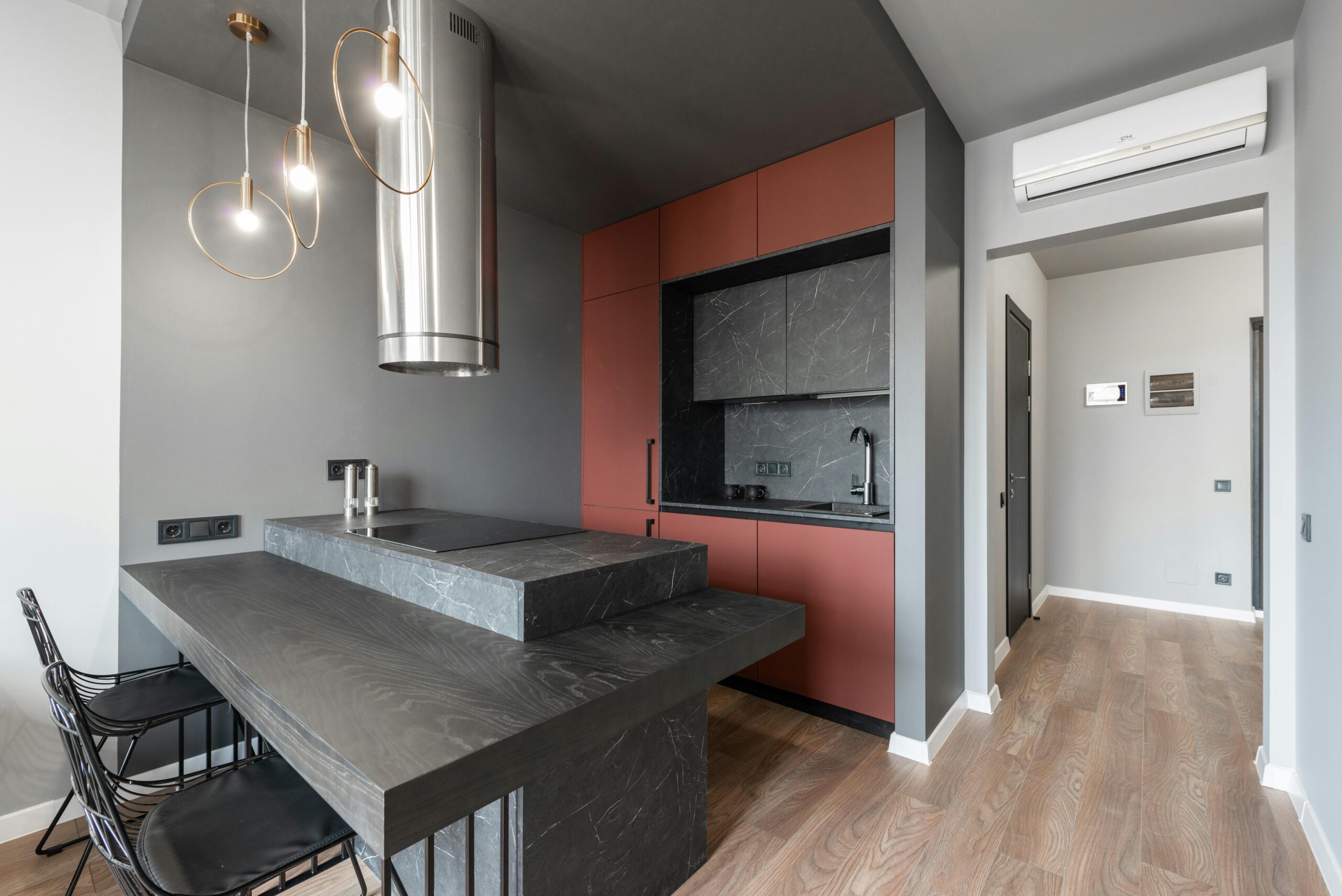
The most successful projects recognize that cost and comfort need not conflict—they represent complementary objectives achievable through thoughtful, integrated design. Initial investments in structural quality and environmental performance deliver returns throughout building lifespans through reduced operating costs, sustained marketability, and satisfied occupants who become passionate advocates.
By viewing structural design through this expanded lens that encompasses financial, environmental, and human dimensions, the industry creates buildings that serve their occupants beautifully while respecting resource constraints and economic realities. This represents the true meaning of building better—not just constructing more, but constructing wisely with lasting value for all stakeholders. 🏢