
Optimize Airflow: Vent and Return Strategy
Optimizing your HVAC system’s airflow through strategic vent and return placement can dramatically improve energy efficiency, comfort, and indoor air quality

Optimizing your HVAC system’s airflow through strategic vent and return placement can dramatically improve energy efficiency, comfort, and indoor air quality
Airflow loop modeling is revolutionizing how we design, optimize, and experience indoor environments, making spaces healthier, more efficient, and remarkably comfortable.

Data visualization transforms complex airflow systems into clear, actionable insights that drive operational excellence and measurable performance improvements across industrial environments.
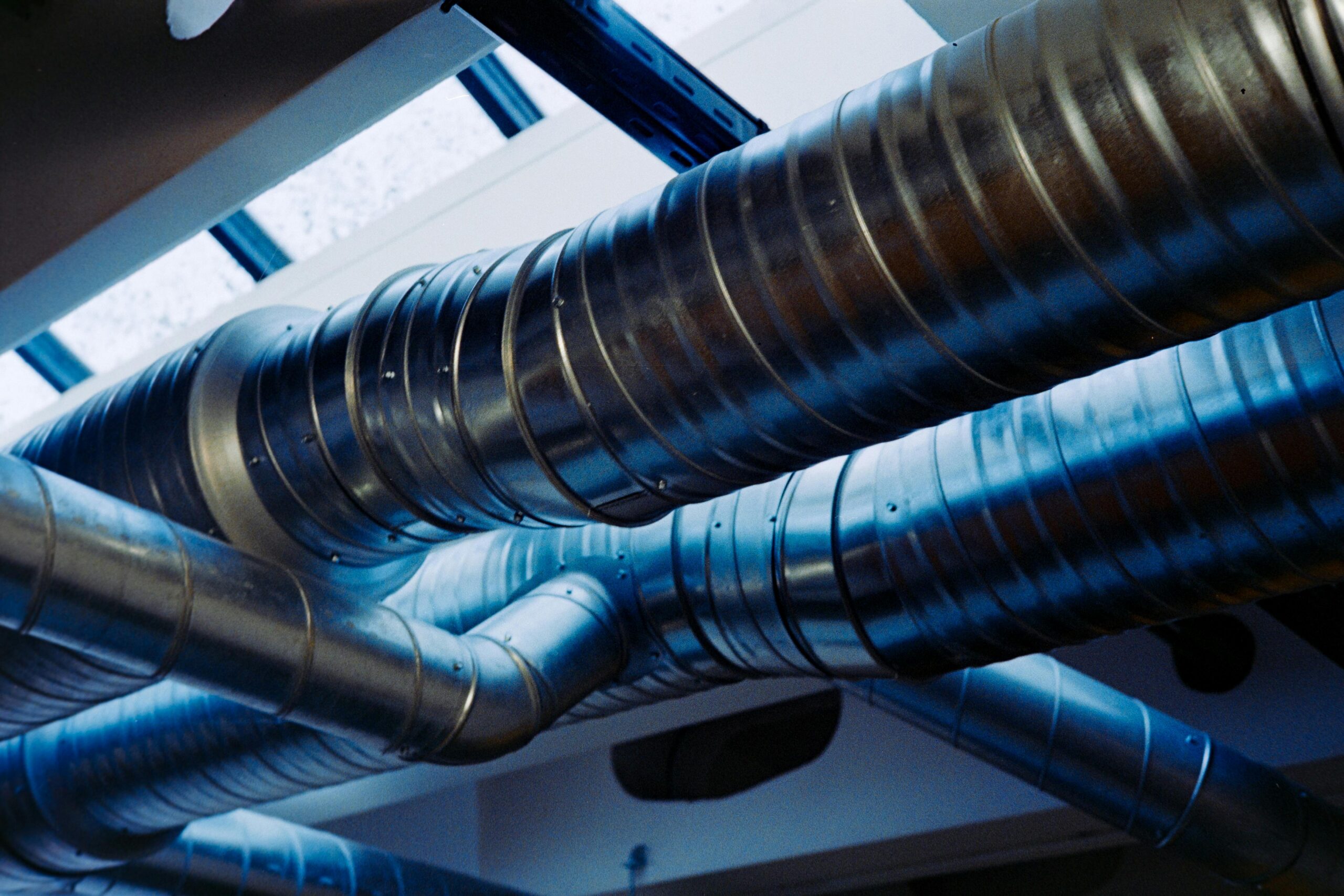
Modern HVAC systems consume nearly 40% of a building’s total energy. Airflow loop modeling emerges as a transformative approach to drastically
Tracer gas validation has emerged as a critical methodology for engineers seeking to verify loop model accuracy in complex HVAC and
Natural ventilation remains one of the most sustainable strategies for maintaining indoor comfort while reducing energy consumption in residential buildings worldwide.
Understanding airflow dynamics in multi-room environments has become essential for creating comfortable, energy-efficient, and healthy living spaces in modern homes and
Thermal buoyancy drives natural airflow in buildings and systems, creating dynamic loops that influence energy efficiency, comfort, and indoor air quality
Understanding ventilation systems is crucial for creating healthier indoor environments. This article explores the fundamental differences between closed-loop airflow and open-loop