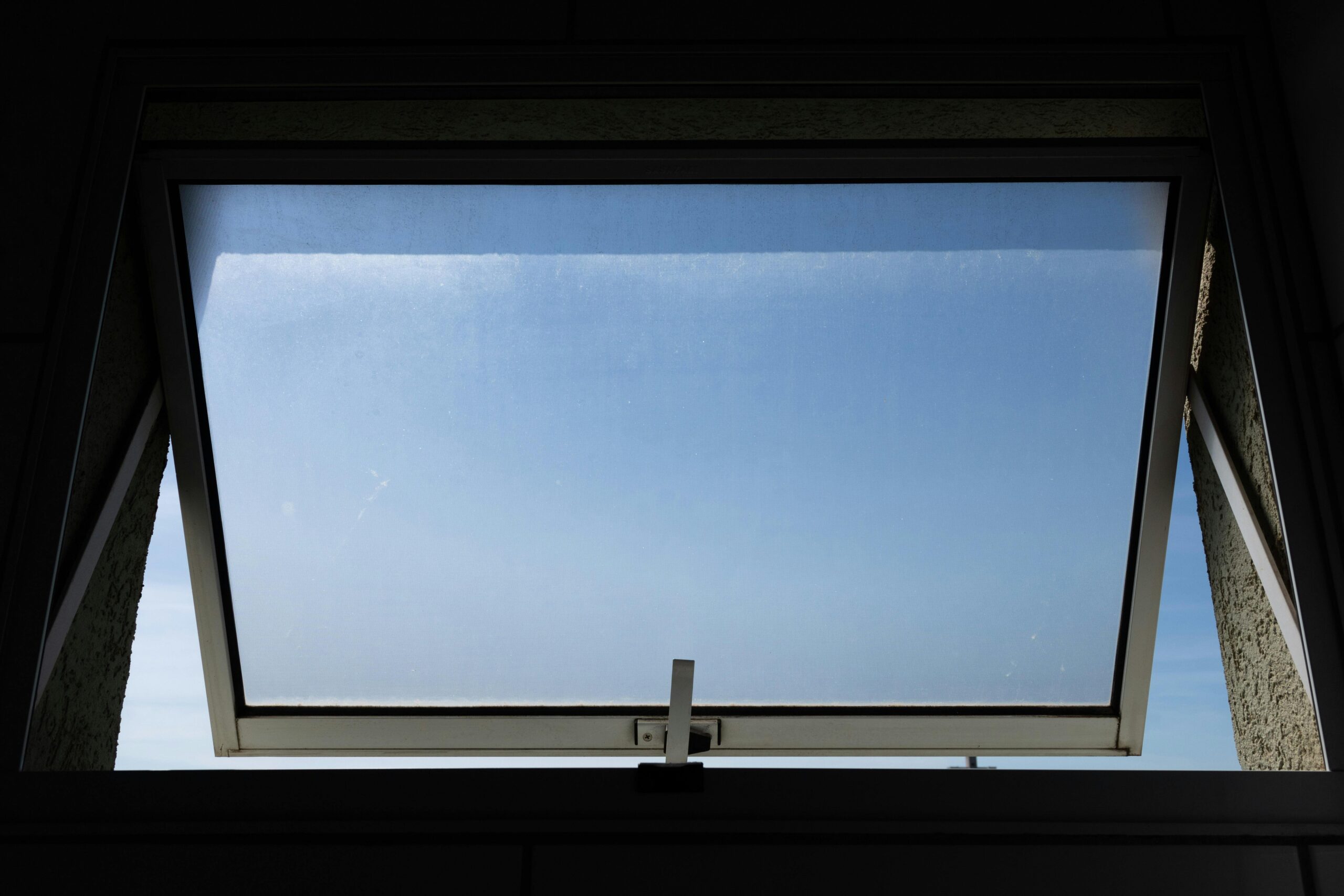
Boosting Home Comfort with Airflow Optimization
Natural ventilation remains one of the most sustainable strategies for maintaining indoor comfort while reducing energy consumption in residential buildings worldwide.

Natural ventilation remains one of the most sustainable strategies for maintaining indoor comfort while reducing energy consumption in residential buildings worldwide.
Understanding airflow dynamics in multi-room environments has become essential for creating comfortable, energy-efficient, and healthy living spaces in modern homes and
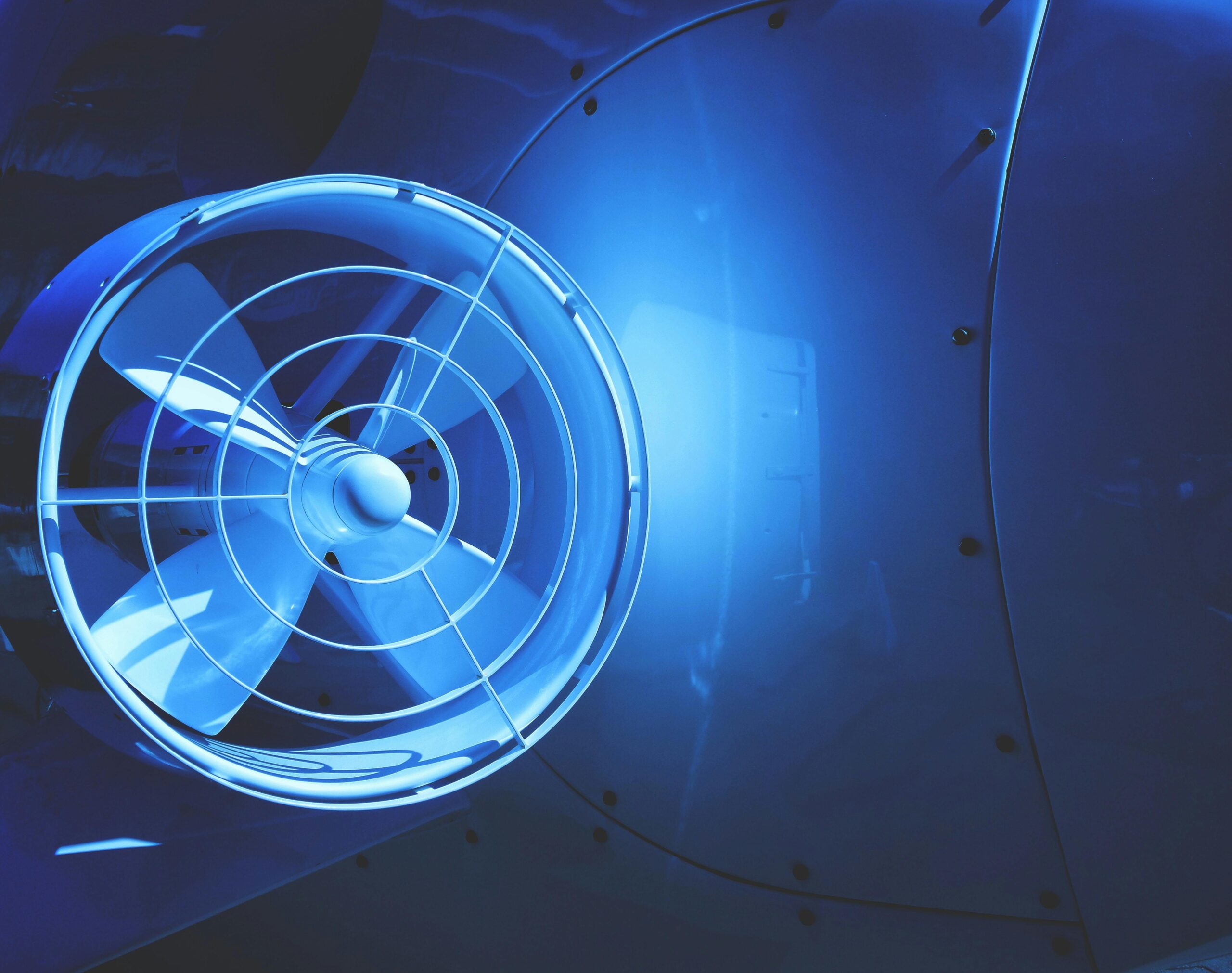
Thermal buoyancy drives natural airflow in buildings and systems, creating dynamic loops that influence energy efficiency, comfort, and indoor air quality
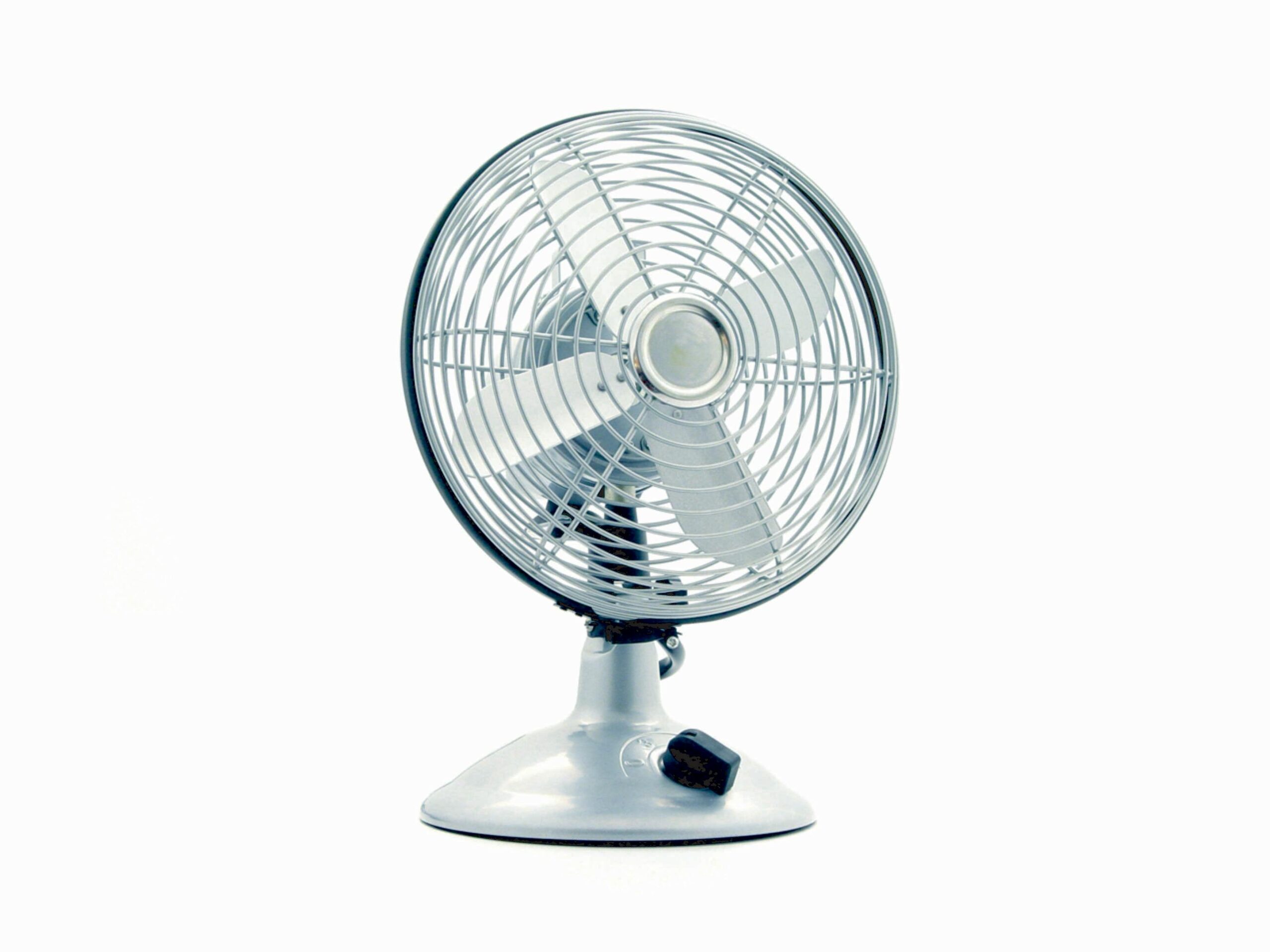
Understanding ventilation systems is crucial for creating healthier indoor environments. This article explores the fundamental differences between closed-loop airflow and open-loop

Understanding airflow mechanics reveals how pressure differentials create the invisible forces that shape weather patterns, ventilation systems, and countless natural phenomena
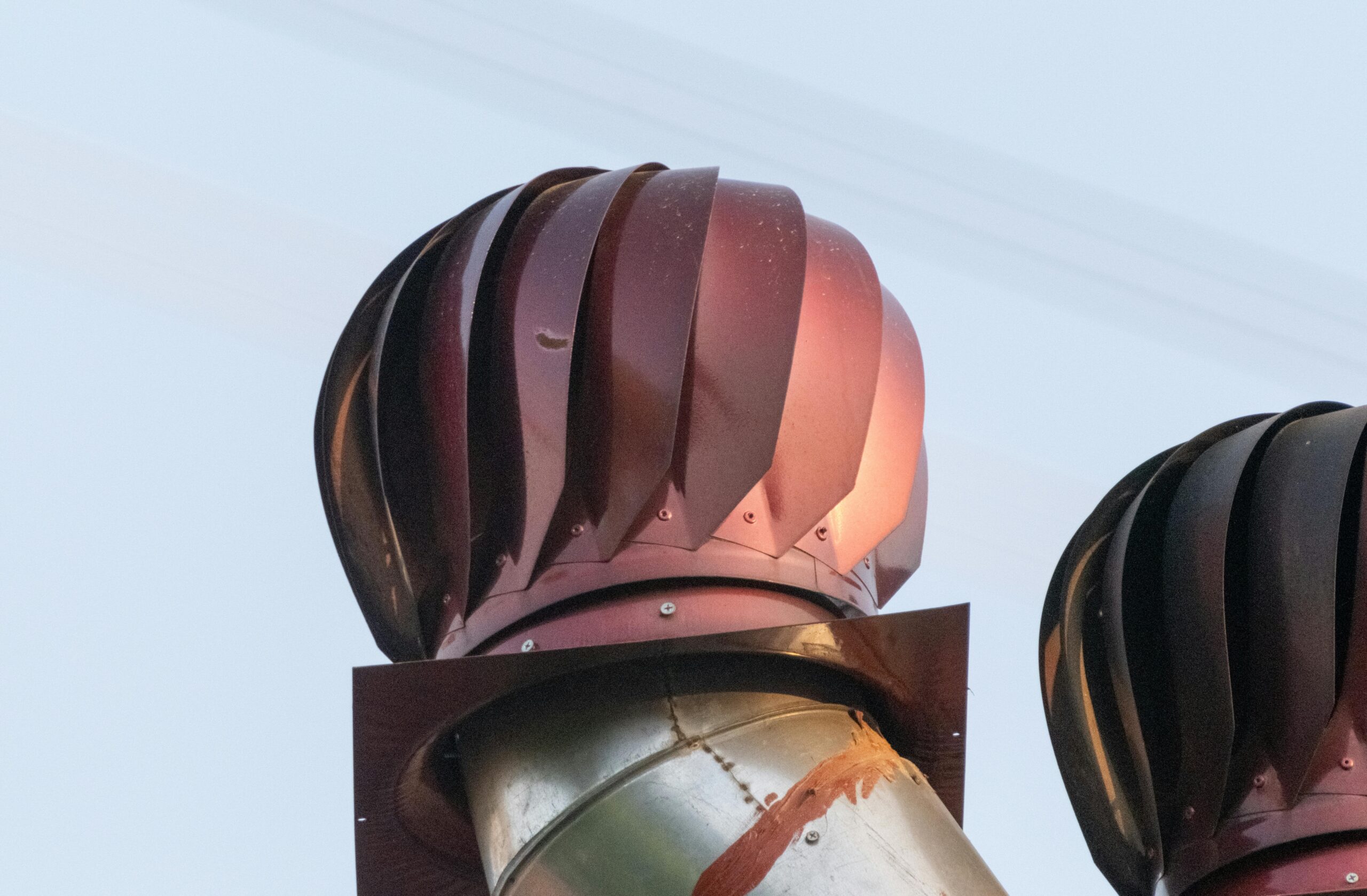
Modern building design demands precision, and air-flow loop modeling has emerged as a critical tool for achieving optimal energy efficiency and
Modern HVAC systems face unprecedented challenges in maintaining optimal indoor air quality and thermal comfort as building occupancy patterns shift throughout
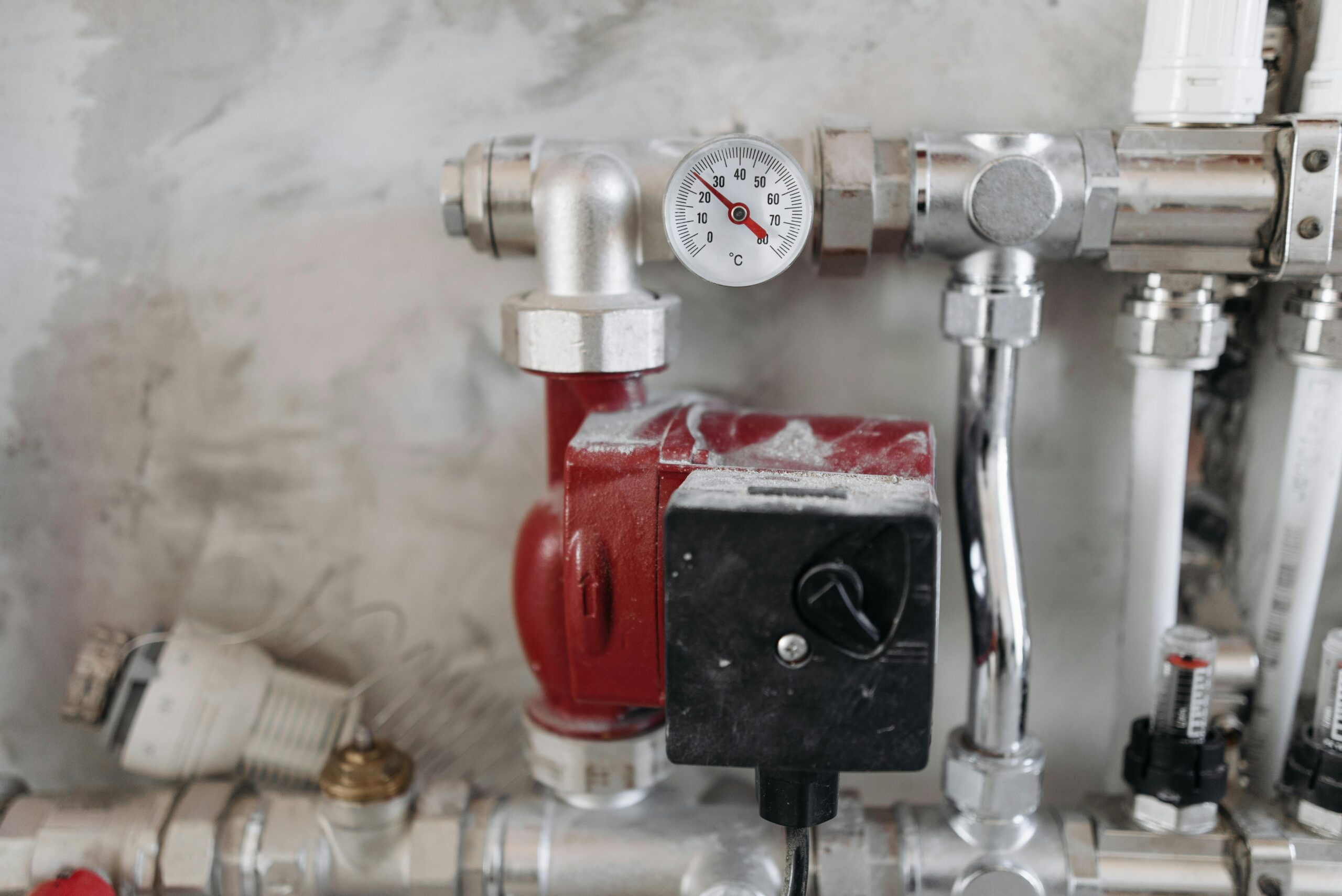
Ventilation systems are the lungs of modern buildings, yet hidden short-circuit loops silently sabotage efficiency, increase energy costs, and compromise indoor

Understanding airflow dynamics has become crucial in modern engineering, architecture, and industrial applications. Two powerful methodologies compete for dominance: Computational Fluid